
ANF, Eju.tv:
Deforestation in Bolivia: Livestock and Agroindustry Accelerate Forest Loss in the Chiquitanía
Between 2010 and 2022, Bolivia lost approximately 3 million hectares of forest. Of this area, 57% was cleared for livestock expansion, while 33% was used for mechanized agriculture. Livestock farming, boosted by the opening of the Chinese market in 2019, has grown rapidly in the department of Santa Cruz, becoming the main driver of deforestation.
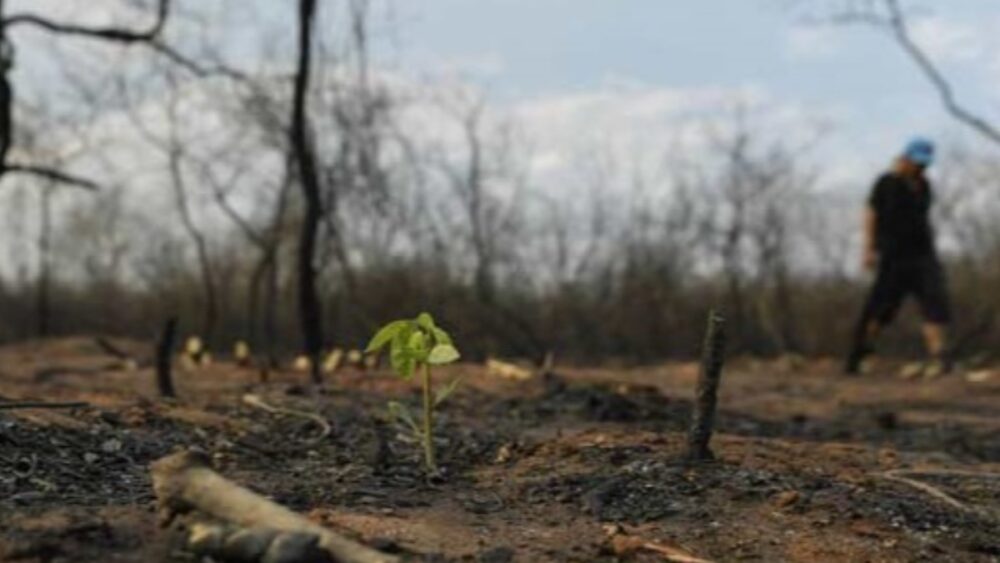
Photo: Social media
La Paz, October 23, 2024. Bolivia is undergoing an alarming period of deforestation, ranking among the countries with the highest rates of forest loss worldwide. A recent analysis by the Center for Labor and Agrarian Development Studies (CEDLA) highlights that livestock farming and agroindustry are the main drivers of this phenomenon, particularly in the Chiquitanía region.
According to the report, between 2010 and 2022, Bolivia lost approximately 3 million hectares of forest. Of this area, 57% was cleared for livestock expansion, while 33% was used for mechanized agriculture. Livestock farming, boosted by the opening of the Chinese market in 2019, has grown rapidly in the department of Santa Cruz, becoming the primary cause of deforestation.
The Chiquitanía, a vast region of tropical dry forest, has been the epicenter of this livestock expansion. San Ignacio de Velasco is one of the most affected municipalities, where large livestock companies, both national and foreign, have invested in acquiring land and converting it into pastures.
The growth of new Mennonite colonies has also significantly contributed to deforestation. These colonies, established over the past 15 years, have expanded their agricultural production, especially in soy and meat, resulting in the deforestation of vast areas in the Chiquitanía and other regions of the country.
Another key factor in forest loss is agroindustrial expansion on poor ferrallitic soils in the Chiquitanía. These soils, previously considered unsuitable for agriculture, are now being utilized due to the national production of urea. Large agricultural companies and Mennonite colonies have started cultivating soy and other agroindustrial products on these lands, often combining agriculture with livestock farming.
Additionally, the settlements of mechanized national colonizers and interculturales have increased pressure on the forests. In the Chiquitanía, over 1.5 million hectares have been titled for new settlements, which use advanced machinery for large-scale agricultural production.
A worrying aspect is the legalization of deforestation in permanent forest production lands (TPFP). The report indicates that 41% of the deforestation between 2010 and 2022 occurred in TPFP, allowing large forest areas, which were previously protected, to be used for livestock and agriculture.
State policies have played a key role in expanding the agricultural frontier. The Bolivian government has promoted deforestation as part of its economic development strategy, facilitating the legalization of previously illegal clearings and offering financial and legal incentives to the agricultural and livestock sectors.
On the international level, Bolivia has become an attractive destination for foreign investors, especially from Brazil, Argentina, and Paraguay. These investors have acquired large tracts of land for livestock production, taking advantage of the permissive policies of the Bolivian government.
The livestock boom has been particularly driven by the opening of the Chinese market. The Santa Cruz Livestock Federation (Fegasacruz) estimates that Bolivia has an export potential of around 50,000 tons of beef above domestic demand, further incentivizing livestock expansion.
However, this development model based on deforestation has serious environmental consequences. Forest loss not only contributes to climate change but also affects the water regime, exacerbating droughts and altering precipitation patterns in the region.
Moreover, forest fires have increased in frequency and intensity in recent years, destroying millions of hectares of forest, especially in the department of Santa Cruz. These fires have devastating effects on ecosystems and on local communities that rely on natural resources for their livelihoods.
The CEDLA report warns that if immediate measures are not taken, the country will continue losing its forest heritage at an alarming rate. Policies that promote sustainable land use are needed, balancing agricultural production with forest conservation.
One of the most urgent recommendations is to reverse policies that facilitate deforestation in TPFP and protect forest areas identified as having high ecological value. It is also suggested to promote sustainable livestock practices and increase the added value of agricultural production to reduce the need for agricultural frontier expansion.
The deforestation situation in Bolivia is critical and requires coordinated action between the government, the private sector, and civil society to stop the destruction of forests and protect the country’s vital ecosystems.
ANF, Eju.tv:
Deforestación en Bolivia: Ganadería y agroindustria aceleran la pérdida de bosques en la Chiquitanía
Entre 2010 y 2022, Bolivia perdió aproximadamente 3 millones de hectáreas de bosque. De esta superficie, el 57% fue destinada a la expansión ganadera y un 33% a la agricultura mecanizada. La ganadería, incentivada por la apertura del mercado chino en 2019, ha crecido aceleradamente en el departamento de Santa Cruz, convirtiéndose en el principal impulsor de la deforestación.
Foto: RRSS
La Paz, 23 de octubre de 2024.- Bolivia está atravesando un periodo alarmante de deforestación, siendo uno de los países con las mayores tasas de pérdida de bosque a nivel mundial. Un análisis reciente del Centro de Estudios para el Desarrollo Laboral y Agrario (CEDLA) destaca que la ganadería y la agroindustria son los principales motores de este fenómeno, especialmente en la región de la Chiquitanía.
Según el informe, entre 2010 y 2022, Bolivia perdió aproximadamente 3 millones de hectáreas de bosque. De esta superficie, el 57% fue destinada a la expansión ganadera y un 33% a la agricultura mecanizada. La ganadería, incentivada por la apertura del mercado chino en 2019, ha crecido aceleradamente en el departamento de Santa Cruz, convirtiéndose en el principal impulsor de la deforestación.
La Chiquitanía, una vasta región de bosque seco tropical, ha sido el epicentro de esta expansión ganadera. San Ignacio de Velasco es uno de los municipios más afectados, donde grandes empresas ganaderas, tanto nacionales como extranjeras, han invertido en la adquisición de tierras y su transformación en pastizales.
El crecimiento de nuevas colonias menonitas también ha contribuido significativamente a la deforestación. Estas colonias, fundadas en los últimos 15 años, han ampliado su producción agropecuaria, especialmente en la producción de soya y carne, lo que ha resultado en la deforestación de vastas áreas en la Chiquitanía y otras regiones del país.
Otro factor clave en la pérdida de bosques es la expansión agroindustrial en suelos pobres ferralíticos de la Chiquitanía. Estos suelos, que hasta hace poco no eran considerados aptos para la agricultura, están siendo habilitados gracias a la producción de urea a nivel nacional. Grandes empresas agrícolas y colonias menonitas han comenzado a cultivar soya y otros productos agroindustriales en estos suelos, combinando a menudo la agricultura con la ganadería.
Además, los asentamientos de colonizadores nacionales mecanizados e interculturales han aumentado la presión sobre los bosques. En la Chiquitanía se han otorgado títulos de más de 1,5 millones de hectáreas para nuevos asentamientos, los cuales utilizan maquinaria avanzada para la producción agrícola a gran escala.
Un aspecto preocupante es la legalización de la deforestación en tierras de producción forestal permanente (TPFP). El informe señala que un 41% de la deforestación entre 2010 y 2022 ocurrió en TPFP, lo que ha permitido que grandes áreas de bosque, que anteriormente estaban protegidas, sean ahora utilizadas para la ganadería y la agricultura.
Las políticas estatales han jugado un papel clave en la expansión de la frontera agrícola. El gobierno boliviano ha promovido la deforestación como parte de su estrategia de desarrollo económico, facilitando la legalización de desmontes que antes eran ilegales y ofreciendo incentivos financieros y legales a los sectores agropecuario y ganadero.
A nivel internacional, Bolivia se ha convertido en un destino atractivo para inversionistas extranjeros, especialmente de Brasil, Argentina y Paraguay. Estos inversionistas han adquirido grandes extensiones de tierras para la producción ganadera, aprovechando las políticas permisivas del gobierno boliviano.
El auge ganadero ha sido particularmente impulsado por la apertura del mercado chino. La Federación de Ganaderos de Santa Cruz (Fegasacruz) estima que Bolivia tiene un potencial exportador de carne bovina de unas 50.000 toneladas por encima de la demanda nacional, lo que ha incentivado aún más la expansión de la ganadería.
Sin embargo, este modelo de desarrollo basado en la deforestación tiene serias consecuencias ambientales. La pérdida de bosques no solo contribuye al cambio climático, sino que también afecta el régimen hídrico, exacerbando las sequías y alterando los patrones de precipitación en la región.
Además, los incendios forestales han incrementado en frecuencia e intensidad en los últimos años, destruyendo millones de hectáreas de bosque, especialmente en el departamento de Santa Cruz. Estos incendios tienen efectos devastadores en los ecosistemas y en las comunidades locales que dependen de los recursos naturales para su subsistencia.
El informe del CEDLA advierte que si no se toman medidas inmediatas, el país continuará perdiendo su patrimonio forestal a un ritmo alarmante. Se requieren políticas que promuevan un uso sostenible de la tierra, equilibrando la producción agropecuaria con la conservación de los bosques.
Una de las recomendaciones más urgentes es revertir las políticas que facilitan la deforestación en TPFP y proteger las áreas boscosas que han sido identificadas como de alto valor ecológico. También se sugiere promover prácticas de ganadería sostenible y aumentar el valor agregado de la producción agropecuaria para reducir la necesidad de expansión de la frontera agrícola.
La situación de la deforestación en Bolivia es crítica y requiere una acción coordinada entre el gobierno, el sector privado y la sociedad civil para frenar la destrucción de los bosques y proteger los ecosistemas vitales del país.

 Bolivian Thoughts | Pensamientos Bolivianos (Bilingual/Bilingüe)