
By Marco Antonio Belmonte, Vision 360:
In December, regulations will come into effect in Europe aimed at preventing raw materials that have caused deforestation, including meat, cocoa, coffee, palm oil, soy, and wood, from entering their market.
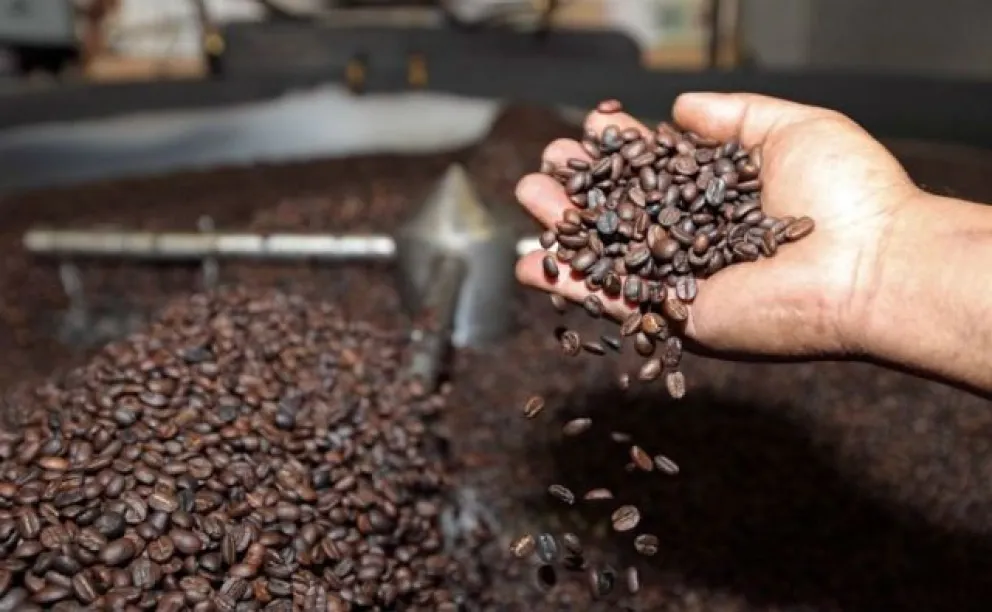
Bolivian coffee is in demand in the European market. Photo: ABI
National exports of meat, cocoa, coffee, and leather are under scrutiny for entry into the European Union market because they must first comply with the regulations of this trade bloc, which restricts the entry of products that have caused deforestation.
According to a recent note published by Deutsche Welle, European cooperation for forest protection in Latin America goes hand in hand with technical assistance to prepare them for the implementation of the first provisions of EU Regulation 1115, which will come into force in December 2024. The regulation aims to prevent raw materials that have caused deforestation from entering their market. These include beef, cocoa, coffee, palm oil, soy, and wood. While there are only six, the possibility of these products being denied entry into the European market has raised concerns in agricultural exporting countries.
Visión 360 consulted Emanuel Hondrat, Program Officer of the European Union (EU) Delegation in Bolivia, about whether the country’s fires could lead to market restrictions on national products. Hondrat clarified that the EU regulation on deforestation does not specifically address fires.
“But we are encouraging all products entering the EU to be deforestation-free. Currently, three Bolivian products are under scrutiny by this legislation: cocoa, coffee, and leather,” he specified.
He assured that, for now, Bolivia is one of the countries least affected by this regulation. “The regulation is mainly about ensuring that products entering the EU are free from deforestation practices, without child labor involved, and follow rules that benefit the entire world,” Hondrat emphasized.
According to the DW report, the six raw materials regulated by the EU, along with rubber, were responsible for 58% of global deforestation linked to agriculture. A third of all these raw materials are destined for the European market. If nothing is done, deforestation would increase by approximately 248,000 hectares per year by 2030.
The report adds that, with its anti-deforestation regulation, the European Union is taking responsibility for its consumption and aims to curb global forest loss. For exporting countries, certification poses a barrier, with some labeling it as “green protectionism.”
EU Cooperation with Bolivia
Hondrat noted that most EU funds allocated to Bolivia are directed towards budgetary support, exceeding 150 million euros. These funds support the Ministry of Environment and Water, biodiversity protection, and the fight against drugs.
According to the European Union (EU) website and the Group of Partners for the Development of Bolivia (GRUS), the EU is deeply committed to Bolivia’s development and democracy. It focuses its presence mainly on three areas of cooperation with the government and civil society: water and natural resources, integrated development and the fight against drug trafficking, and justice reform. It also promotes programs supporting human rights, gender equality, and humanitarian aid.
The EU has been providing development cooperation in the country for over 30 years. To date, non-reimbursable cooperation has reached around one billion euros for Bolivia in various programs.
EU development cooperation has several modalities: bilateral (direct financial and technical aid to the Bolivian state through the central government); thematic (support to civil society through calls for proposals); and regional cooperation.
The cooperation strategy amounts to 117 million dollars (104 million euros) for the 2021-2024 period. The funds, granted as donations, are primarily focused on supporting national efforts to promote the fight against climate change and protect the environment through sustainable and socially inclusive economic growth. The program with Bolivia is the largest that the EU has in Latin America.
In addition, there are financing agreements totaling around 60 million dollars (50 million euros) for comprehensive development programs involving coca leaf and the fight against illicit substance trafficking. Most of these funds are deposited in the Treasury of the Nation under results-based commitments agreed upon within the framework of the Bolivian government’s development plans.
Por Marco Antonio Belmonte, Vision 360:
En diciembre entran en vigor las disposiciones, en Europa, que pretende evitar que entren a su mercado materias primas que hayan causado deforestación, incluso carne, cacao, café, palma aceitera, soja y madera.
El café boliviano tiene demanda en el mercado europeo. Foto: ABI
Las exportaciones nacionales de carne, cacao, café y cueros están en la mira para su ingreso al mercado de la Unión Europea, porque deben cumplir previamente con la regulación de ese bloque comercial que restringe el ingreso de productos que hubiesen provocado la deforestación de bosques.
Según una nota reciente publicada en Deutsche Welle, la cooperación europea para la protección de los bosques en América Latina va de la mano con la asistencia técnica para prepararlos a estar listos para cuando, en diciembre de 2024, entren en vigor las primeras disposiciones del reglamento 1115 de la Unión Europea, que pretende evitar que entren a su mercado materias primas causantes de deforestación. Se trata de ganado bovino, cacao, café, palma aceitera, soja y madera. Son sólo seis, pero la posibilidad de que sus productos no puedan entrar al mercado europeo, ha levantado ampollas en países agroexportadores.
Visión 360 consultó a Emanuel Hondrat, Oficial de Programas de la Delegación Unión Europea (UE) en Bolivia, si a raíz de las quemas en el país, pueden provocar alguna restricción de ese mercado al ingreso de productos nacionales y el ejecutivo manifestó que la regulación del bloque sobre deforestación, no habla específicamente de los incendios.
“Pero estamos incentivando que todos los productos que llegan a la UE estén libres de la deforestación. Actualmente son tres productos bolivianos que están en la mira de esta legislación, el cacao, café y cueros”, precisó.
Aseguró que, por el momento, Bolivia es uno de los países que registra el menor impacto por esta normativa. “La regulación más que todo trata de que los productos que lleguen a la UE estén libres de la práctica de la deforestación, que no hay de por medio trabajo infantil y algunas reglas que son de beneficio para el mundo entero”, remarcó Hondrat.
De acuerdo con la nota de DW, las seis materias primas reguladas en la UE, a la que se suma el caucho, fueron responsables del 58% de la deforestación mundial ligada a la agricultura. Un tercio de la totalidad de esas materias primas se destina al mercado europeo. De no hacer nada, hasta el 2030 la deforestación aumentaría aproximadamente en 248.000 hectáreas por año.
Añade que, con su reglamento anti deforestación, la Unión Europea asume la responsabilidad de su consumo y quiere atajar la pérdida de bosques a nivel global. Para los países exportadores, la certificación supone una barrera y hubo quienes la han tildado de “proteccionismo verde”.
Cooperación de la UE a Bolivia
Hondrat indicó que, en materia de cooperación, la mayor parte de los fondos que destina la UE a Bolivia se dirigen hacía apoyo presupuestario y sobrepasa los 150 millones de euros y se apoya al Ministerio de Medioambiente y Agua, protección de la biodiversidad y lucha contra las drogas.
Según la página web de la Unión Europea (UE) y el Grupo de Socios para el Desarrollo de Bolivia (GRUS), el bloque tiene un profundo compromiso con el desarrollo y la democracia boliviana. Enfoca su presencia mayormente en tres áreas de cooperación con el Gobierno y la sociedad civil: agua y recursos naturales, desarrollo integral y lucha contra el narcotráfico, y reforma de la justicia. Promueve, además, programas de apoyo a los derechos humanos, la igualdad de género y ayuda humanitaria.
La UE lleva más de 30 años en el país proporcionando cooperación para el desarrollo. Hasta el día de hoy, subraya que la cooperación no reembolsable alcanza alrededor de mil millones de euros a Bolivia en múltiples programas.
La cooperación al desarrollo de la UE tiene varias modalidades: bilateral (ayuda financiera y técnica directa al Estado boliviano a través del Gobierno Central); temática (apoyo a la sociedad civil a través de convocatorias) y la cooperación regional.
La estrategia de cooperación llega a 117 millones dólares (104 millones de Euros) para el periodo 2021-2024. Los fondos, que se entregan en carácter de donación, están enfocados en su mayor parte en el apoyo a los esfuerzos nacionales para promover la lucha contra el cambio climático y favorecer la protección del medio ambiente a través de un crecimiento económico sostenible y socialmente inclusivo. El programa con Bolivia es el mayor que tiene la UE en Latinoamérica.
A esto se suman los convenios de financiamiento, por un total de alrededor de 60 millones de dólares (50 millones de Euros) para programas de desarrollo integral con hoja de coca y lucha contra el tráfico de sustancias ilícitas. Estos fondos, en su mayoría, se depositan en el Tesoro General de la Nación bajo compromisos de resultados acordados en el marco de los planes de desarrollo del gobierno boliviano.

 Bolivian Thoughts | Pensamientos Bolivianos (Bilingual/Bilingüe)