
By Yerko Guevara, Unitel; Eju.tv:
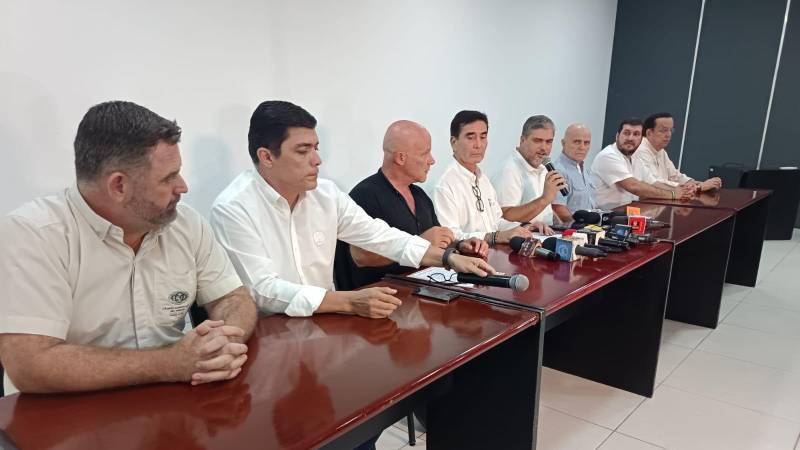
“There are always some kind of restrictions. Every time someone complains that a price is high, instead of verifying if it is being smuggled, they restrict exports,” criticized the president of Cadex.
For Barriga, authorities should focus on providing solutions to attract more foreign currency from external markets.
After the soybean sector warned of the halt in the issuance of domestic supply certificates—a requirement for export authorization—Oswaldo Barriga, president of the Santa Cruz Chamber of Exporters, Logistics, and Investment Promotion (Cadex), called the measure “extortionate” and blamed the state’s “interventionist model.”
“This interventionism discourages production, and lower production leads to shortages. We should have the freedom to export. A year ago, during a government assembly with the Confederation of Private Entrepreneurs of Bolivia, a commitment was made to lift export restrictions. Where is it?” Barriga questioned at a press conference.
Barriga also pointed out that restrictions have intensified since December, first with a similar situation concerning cooking oil and later with beef exports.
“If you don’t comply with something, they restrict your exports. It’s an extortionate measure. Bolivia needs freedom to export, the removal of price bands, and the elimination of quotas,” the leader insisted.
For Barriga, authorities should focus on solutions to bring in more foreign currency from external markets, which would help stabilize the economy—especially since these dollars are essential for purchasing inputs required by the productive sector.
“Every time they control the price of a product, it ends up being smuggled to Peru, Argentina, or Brazil, and meanwhile, they label us as political. We just want to work, produce, invest, export, and create jobs,” he added.
Despite last year’s climatic and production challenges, soybean production surpassed 2 million tons, while domestic demand stands at approximately 800,000 tons, according to the Oilseeds and Wheat Producers Association (Anapo).
“There are always some kind of restrictions. Every time someone complains that a price is high, instead of verifying if it is being smuggled, they restrict exports,” Barriga concluded.
Por Yerko Guevara, Unitel; Eju.tv:
“Todo el tiempo hay algún tipo de restricción. Cada vez que alguien se queja que un precio está caro, en vez de verificar que se está yendo de contrabando, restringen la exportación”, cuestionó el presidente de la Cadex.
Para Barriga, las autoridades deben enfocarse en dar soluciones para que se puedan captar más dólares de mercados externos
Una vez que el sector soyero alertó de la paralización en la entrega de certificados de abastecimiento interno, tema que da vía libre a la exportación, el presidente de la Cámara de Exportadores, Logística y Promoción de Inversiones de Santa Cruz (Cadex), Oswaldo Barriga, calificó esta medida de “extorsiva” y apuntó al “modelo intervencionista” estatal.
“Ese intervencionismo genera desincentivo productivo, el desincentivo productivo genera escasez. Nosotros deberíamos tener libertad de exportación. Hace un año, en un ampliado del Gobierno nacional con la Confederación de Empresarios Privados de Bolivia, se comprometió la liberación de exportaciones. ¿Dónde está?”, apuntó el ejecutivo en conferencia de prensa.
Barriga también recordó que desde diciembre se vienen acentuando las medidas, ya que primero se dio una situación similar con el tema del aceite y, posteriormente, con la carne de res.
“No cumplís con algo y te restringen la exportación. Es extorsiva esa medida. Bolivia necesita tener libertad de exportaciones, eliminar las bandas de precios, eliminar los cupos”, matizó el dirigente.
Para Barriga, las autoridades deben enfocarse en dar soluciones para que se puedan captar más dólares de mercados externos y con eso dar mayor estabilidad económica al país, considerando también que esos dólares permiten la compra de insumos que requiere el aparato productivo.
“Cada vez que controlan el precio de algún producto se va de contrabando a Perú, Argentina, Brasil y mientras tanto nos tildan de políticos a nosotros. Nosotros solo queremos trabajar, producir, invertir y exportar y generar empleo”, agregó el dirigente.
A pesar de los desafíos climáticos y productivos del año pasado, se alcanzó una producción de más de 2 millones de toneladas de soya, cuando la demanda interna es de cerca de 800.000 toneladas, de acuerdo con la información reflejada por la Asociación de Productores de Oleaginosas y Trigo (Anapo).
“Todo el tiempo hay algún tipo de restricción. Cada vez que alguien se queja que un precio está caro, en vez de verificar que se está yendo de contrabando, restringen la exportación”, concluyó Barriga.

 Bolivian Thoughts | Pensamientos Bolivianos (Bilingual/Bilingüe)