
El Diario:
Bolivia increasingly closer to economic disaster
The fall in the Net International Reserves (RIN) of the Central Bank of Bolivia (BCB), the shortage of dollars, fuel and the excessive rise in food prices, a situation that has been going on since the last administration, added to the growing external debt, show a complicated panorama for the country and the indicators indicate that the crisis is worsening, which the Government refuses to accept. The specialist in economic issues, Antonio Saravia, announced that the national economy is on the edge of the ledge.
The union members of El Alto reported that they buy the US currency for 9 bolivianos and at the borders the price is even higher and the exchange houses charge for the US currency Bs8.05.
In this regard, finance expert Mauricio Ríos wrote on his Twitter account that the national currency lost ground, around 21%.
On his Twitter account, Antonio Saravia, he points out that the dollar will reach 10 bolivianos during Carnival. “There is no gasoline. The Government does not have money, it does not reduce spending, it continues to issue and monetize deficits (the increase in M1 since January 2023 is brutal) and the RINs continue to fall. “We are going to face a deep crisis.”
This situation that the country is now going through is similar to what happened in Argentina during the government of Alberto Fernández, when dollars began to be missing and alarming inflation was generated.
The president of the College of Economists of Tarija, Fernando Romero, indicated that the economic situation in the country is due to excessive public spending, a situation that continues despite the drop in income.
The current economic situation is not a product of the situation, but of a process related to the Government’s model, with high public spending, which supports economic growth, but income from the sale of natural gas has declined, price decline and the low gas production, according to Romero.
Gas exports fell by more than 800 million dollars as of November 2023, but the purchase of fuel also declined, which may explain the shortage in the national market, due to the lack of dollars, according to economists.
Regarding fuels, especially gasoline, complaints from citizens circulate on social networks about the quality of this fuel, which leaves much to be desired, because it does not have the necessary octane rating, which greatly deteriorates vehicle engines.
Likewise, the price of food rises and is scarce in the national market, such as chicken, which has practically disappeared even from supermarkets and if it is found somewhere, a kilo sells for up to Bs21.
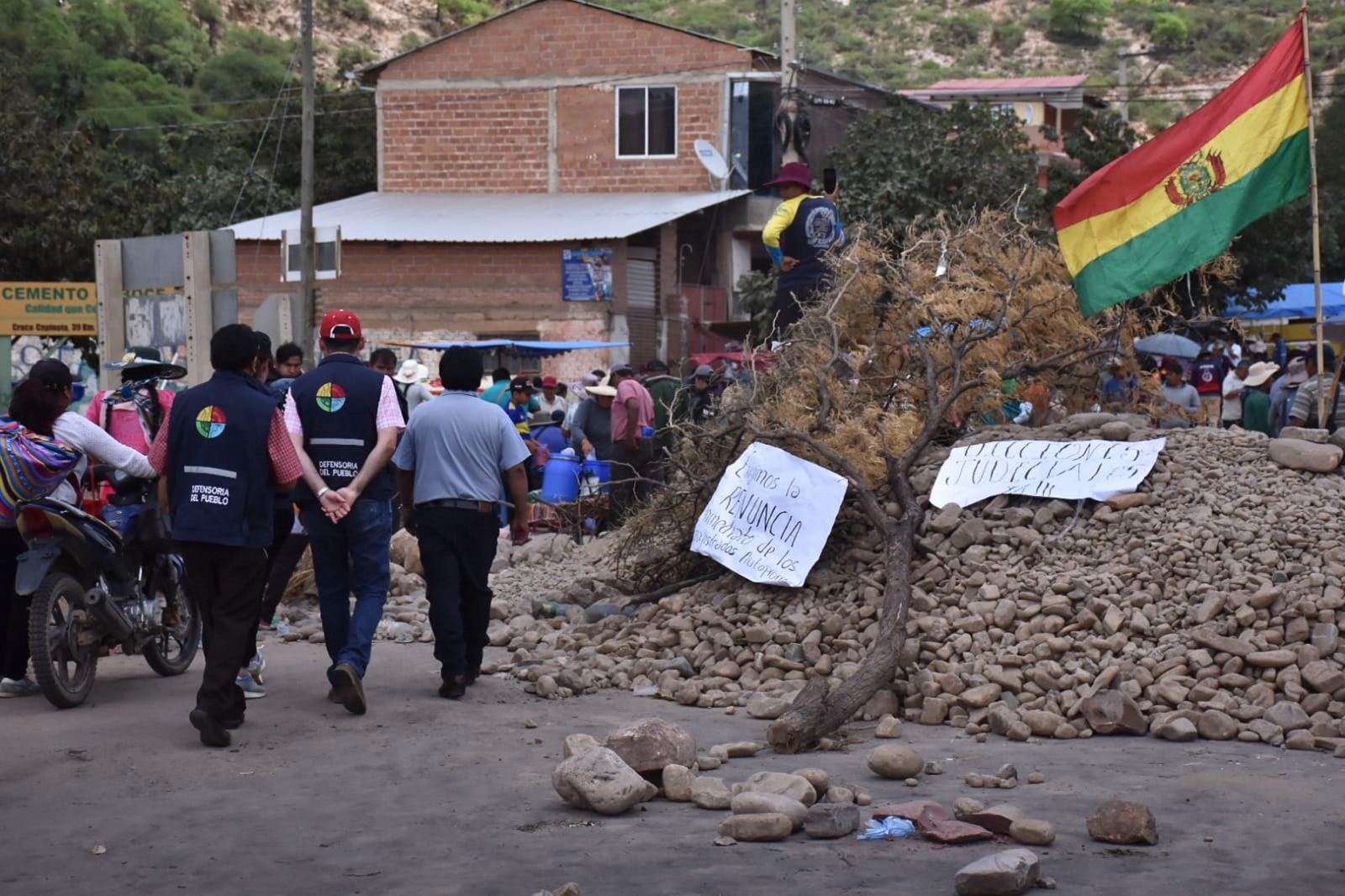
This state of affairs is complicated by the blockades promoted by supporters of the Movement towards Socialism (MAS) of the “evista” wing.
Trade also registers negative figures and as of November it presented a deficit of 410 million dollars, due to the fall in sales of raw materials, such as gas and minerals.
Meanwhile, Bolivia’s external debt reaches 78.8% of the Gross Domestic Product (GDP). The Government does not recognize the debt of the financial public sector, that is, the debt that state companies have with the Central Bank. This debt is registered in the General Treasury of the Nation (TGN). The pretext for not accepting it would be double accounting.
Meanwhile, international organizations point out that Bolivia has a public debt of 80% compared to GDP. The situation begins to worsen with the more than 800 million dollars in credits that Luis Arce’s government sent to the Assembly for approval.
“The cycle of the centralist State ends and it is stuck with the shortage of dollars, fuel (which is not due to the blockades) and products from the family basket that begin to rise, PLUS a government in crisis. The solution is the entrepreneurs, the people and not the centralist State,” wrote Senator Rodrigo Paz on his Twitter account @Rodrigo_PazP.
Meanwhile, the economist, Napoleón Pacheco, on his Twitter account points out: Arce, a great cashier, maintained that Bolivia was no longer extending its hand asking for alms. Then he stated that there was a shield: Bolivia faces two blockades: the congressional one that prevents the arrival of credit and the road blockage that generates losses, says Minister Montenegro.
Bolivia cada vez más cerca del descalabro económico
La caída de las Reservas Internacionales Netas (RIN) del Banco Central de Bolivia (BCB), la escasez de dólares, de combustibles y el alza desmedida de los precios de los alimentos, situación que viene desde la pasada gestión, sumado la creciente deuda externa, muestran un panorama complicado para el país y los indicadores señalan que la crisis se agudiza, lo cual el Gobierno se niega aceptar. El especialista en temas económicos, Antonio Saravia, anunció que la economía nacional está al borde de la cornisa.
Los gremialistas de El Alto informaron que compran la moneda estadounidense en 9 bolivianos y en las fronteras el precio aun es mayor y las casas de cambio la moneda norteamericana se encuentra a Bs 8.05.
Al respecto, el experto en finanzas, Mauricio Ríos, escribió en su cuenta de twitter que la moneda nacional perdió terreno, alrededor de 21%.
En su cuenta de twitter, Antonio Saravia, señala que el dólar llegará a 10 bolivianos durante Carnaval. “No hay gasolina. El Gobierno no tiene un peso, no reduce el gasto, sigue emitiendo y monetizando déficits (la crecida de M1 desde enero del 2023 es brutal) y las RIN siguen cayendo. Nos vamos a dar de narices contra una profunda crisis”.
Esta situación por la que ahora está atravesando el país se asemeja a lo que sucedió en Argentina durante el gobierno de Alberto Fernández, cuando comenzó a faltar dólares y se generó una inflación alarmante.
El presidente del colegio de Economistas de Tarija, Fernando Romero, indicó que la situación económica que presenta el país es por el gasto público excesivo, situación que se mantiene a pesar de la caída de los ingresos.
La situación económica actual no es producto de la coyuntura, sino de un proceso relacionado con el modelo del Gobierno, con un elevado gasto público, que el mismo fundamenta un crecimiento económico, pero ha decaído el ingreso por venta de gas natural, declinación de precios y la baja producción gasífera, según Romero.
Las exportaciones de gas cayeron en más de 800 millones de dólares a noviembre de 2023, pero también declinó la compra de combustibles, que puede explicar la escasez que hay en el mercado nacional, debido a la falta de dólares, según economistas.
Al respecto de los combustibles, en especial de la gasolina, en redes sociales circulan quejas de la ciudadanía sobre la calidad de este carburante, que deja mucho que desear, debido a que no tiene el octanaje necesario, lo que deteriora en gran medida los motores de vehículos.
Asimismo, el precio de los alimentos sube y escasean en el mercado nacional, como el pollo que prácticamente desapareció inclusive de los supermercados y si se encuentra en algún lugar, el kilo se vende hasta en Bs 21.
Este estado de cosas se complica con los bloqueos promovidos por partidarios del Movimiento al Socialismo (MAS) del ala “evista”.
El comercio también registra cifras negativas y a noviembre presentó un déficit de 410 millones de dólares, debido a la caída de las ventas de materias primas, como el gas y minerales.
Mientras tanto, la deuda externa boliviana llega al 78.8% del Producto Interno Bruto (PIB). El Gobierno no reconoce la deuda del sector público financiero, o sea la deuda que tienen las empresas estatales con el Banco Central. Esta deuda está registrada en el Tesoro General de la Nación (TGN). El pretexto para no aceptarla sería la doble contabilidad.
Entre tanto, organismos internacionales señalan que Bolivia tiene una deuda pública de 80% respecto al PIB. La situación empieza a empeorar con los más de 800 millones de dólares en créditos que el gobierno de Luis Arce envió a la Asamblea para su aprobación.
“Se termina el ciclo del Estado centralista y tranca con la escasez de dólares, combustibles (que no es por los bloqueos) y productos de la canasta familiar que empiezan a subir, MAS un gobierno en crisis. La solución son los emprendedores, la gente y no en el Estado centralista”, escribió el Senador Rodrigo Paz en su cuenta de twitter @Rodrigo_PazP.
Mientras tanto, el economista, Napoleón Pacheco, en su cuenta de twitter señala: Arce de gran cajero, sostenía que Bolivia ya no extendía la mano pidiendo limosna. Luego afirmó que había un blindaje: Bolivia enfrenta dos bloqueos: el congreso que impide la llegada de crédito y el de camino que genera pérdidas, dice el ministro Montenegro.
https://www.eldiario.net/portal/2024/02/01/bolivia-cada-vez-mas-cerca-del-descalabro-economico/


 Bolivian Thoughts | Pensamientos Bolivianos (Bilingual/Bilingüe)