El Diario:

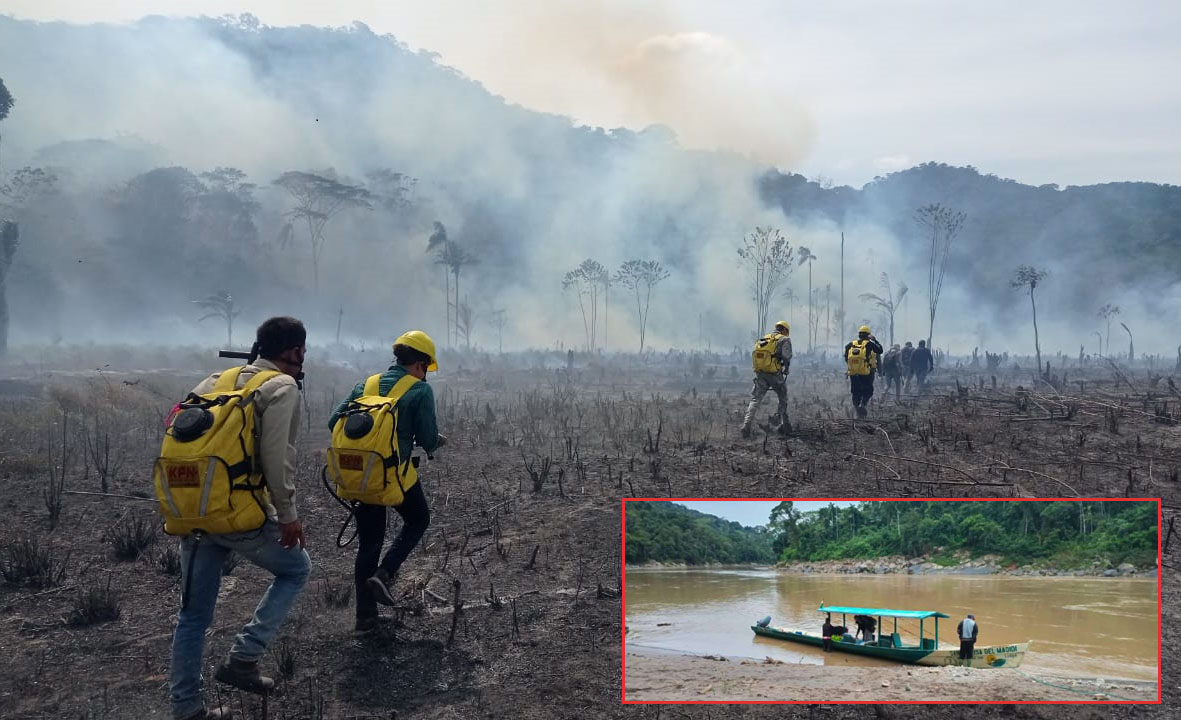
Grandes extensiones de áreas protegidas fueron devastadas por los incendios forestales que afectaron a la fauna y flora de manera catastrófica.
Fire devastates national parks
- Ten deaths, six million animals burned, respiratory problems rose to 200% and inexplicably the Government delays declaring an emergency.
- The irresponsible use of mercury in mining contaminates the water of rivers and lakes, with serious effects on the health of inhabitants and aquatic ecosystems.
- Forest fires in different regions of the country have left almost three million hectares affected; while the volunteer forest firefighters are unprotected.
Large areas of protected areas were devastated by forest fires that affected fauna and flora in a catastrophic way.
The uncontrollable fire that different regions endure places Bolivia as one of the countries with the greatest environmental pollution globally, due to the dense smoke caused by uncontrolled fires and arson fires that devastate thousands of hectares of national parks every day with fatal consequences. consequences for the fauna and flora, also against the health of the inhabitants.
The Secretary of Health of the Governorate, Edil Toledo, confirmed that in previous days there were deaths due to respiratory disorders, due to contamination. These patients, numbering 10, were the most critical reported since Roboré, they were hypertensive and diabetic.
On the other hand, reports show that more than six million animals perished in the last wave of fires, even more than in the incident four years ago with its epicenter in Chiquitania.
Experts from the Universidad Mayor de San Andrés (UMSA) refer to the catastrophic consequences of the uncontrolled fire on the animal wealth of Bolivia, a fire that still burns and threatens to further increase the numbers, both of devastated areas and of burned animals, suffocated or scared from their natural habitat.
On the other hand, a study carried out on 302 people from 36 native communities of the Ese Ejjas, Tsimanes, Mosetenes, Leco, Uchupiamona and Tacana peoples, shows mercury levels that exceed the limits allowed by the World Health Organization by 74.5%. Indigenous peoples have high levels of mercury in their bodies due to mining activities that also affect aquatic ecosystems.
The latest reports indicate that forest fires in different regions of the country have so far left almost three million hectares affected, reported the Minister of Rural Development and Lands, Remmy Gonzales, but inexplicably the Government delays declaring an emergency.
Meanwhile, volunteer forest firefighters do not have personal protective equipment or specialized tools to control forest fires and are unprotected.
Fuego devasta parques nacionales
- Diez fallecidos, seis millones de animales calcinados, problemas respiratorios subieron al 200% e inexplicablemente el Gobierno retrasa declaratoria de emergencia.
- El uso irresponsable del mercurio en la minería contamina el agua de los ríos y lagos, con graves efectos para la salud de los habitantes y ecosistemas acuáticos.
- Los incendios forestales en diferentes regiones del país han dejado casi tres millones de hectáreas afectadas; mientras los Bomberos forestales voluntarios están desprotegidos.
Grandes extensiones de áreas protegidas fueron devastadas por los incendios forestales que afectaron a la fauna y flora de manera catastrófica.
El fuego incontrolable que soportan diferentes regiones, ubica a Bolivia como uno de los países con mayor contaminación ambiental a nivel global, debido a la densa humareda ocasionada por los chaqueos sin control e incendios provocados que devastan cada día miles de hectáreas de parques nacionales con funestas consecuencias para la fauna y flora, además en contra de la salud de los habitantes.
El secretario de Salud de la Gobernación, Edil Toledo, confirmó que en días anteriores hubo fallecidos por alteraciones respiratorias, por contaminación. Estos pacientes que suman 10, fueron los más críticos que reportaron desde Roboré, eran hipertensos y diabéticos.
Por otro lado, reportes dan cuenta que más de seis millones de animales perecieron en la última ola de incendios, incluso más que en el siniestro de hace cuatro años con epicentro en la Chiquitania.
Expertos de la Universidad Mayor de San Andrés (UMSA) se refieren a las consecuencias catastróficas del fuego descontrolado sobre la riqueza animal de Bolivia, fuego que aún arde y que amenaza con elevar aún más los números, tanto de extensiones devastadas como de animales quemados, asfixiados o espantados de su hábitat natural.
Por otro lado, un estudio realizado a 302 personas de 36 comunidades nativas de los pueblos Ese Ejjas, Tsimanes, Mosetenes, Leco, Uchupiamona y Tacana, muestra niveles de mercurio que superan los límites permitidos por la Organización Mundial de la Salud en 74.5%. Los pueblos indígenas presentan altos índices de mercurio en su cuerpo por las actividades mineras que también afectan a ecosistemas acuáticos.
Los últimos reportes, señalan que los incendios forestales en diferentes regiones del país han dejado hasta el momento casi tres millones de hectáreas afectadas, informó el ministro de Desarrollo Rural y Tierras, Remmy Gonzales, pero inexplicablemente el Gobierno retrasa declaratoria de emergencia.
Entretanto, los bomberos forestales voluntarios no cuentan con equipamiento de protección personal, ni herramientas especializadas para el control de incendios forestales y están desprotegidos.
https://www.eldiario.net/portal/2023/11/22/bolivia-registra-la-mayor-contaminacion-ambiental/

 Bolivian Thoughts | Pensamientos Bolivianos (Bilingual/Bilingüe)