
El Deber:
Deforestation: Data dismantles the regime’s discourse on Mother Earth
By María René Álvarez, national deputy
An investigation by the Friends of Nature Foundation (FAN) concludes that between 2011 and 2022, in Bolivia a loss of forest cover of 37% was reached.
Deforestation, land clearing, encroachment, indiscriminate burning, felling of trees and wood trafficking are part of the problem.
The same report confirms that Santa Cruz is the most affected department with 20% deforestation. The original forest of the department was reduced from 32 million hectares to 26 million hectares.
And within the department, it is the Chiquitano forest that registers the most losses with 30% of hectares in San Ignacio, San Rafael, San José de Chiquitos, Roboré, San Miguel, El Carmen Rivero Tórrez, Concepción, as well as Charagua and Guarayos.
This entire panorama is a direct consequence of the predatory policies of the central level and the MAS regime, both with Evo Morales and with Luis Arce.
The report cites, for example, the decisions made at the Sembrando por Bolivia Food Summit in 2015, which expanded the area approved for agricultural production to 10 million hectares, with the applause of a part of the business sector that only seeks revenue. immediately as does any social organization related to the masista regime.
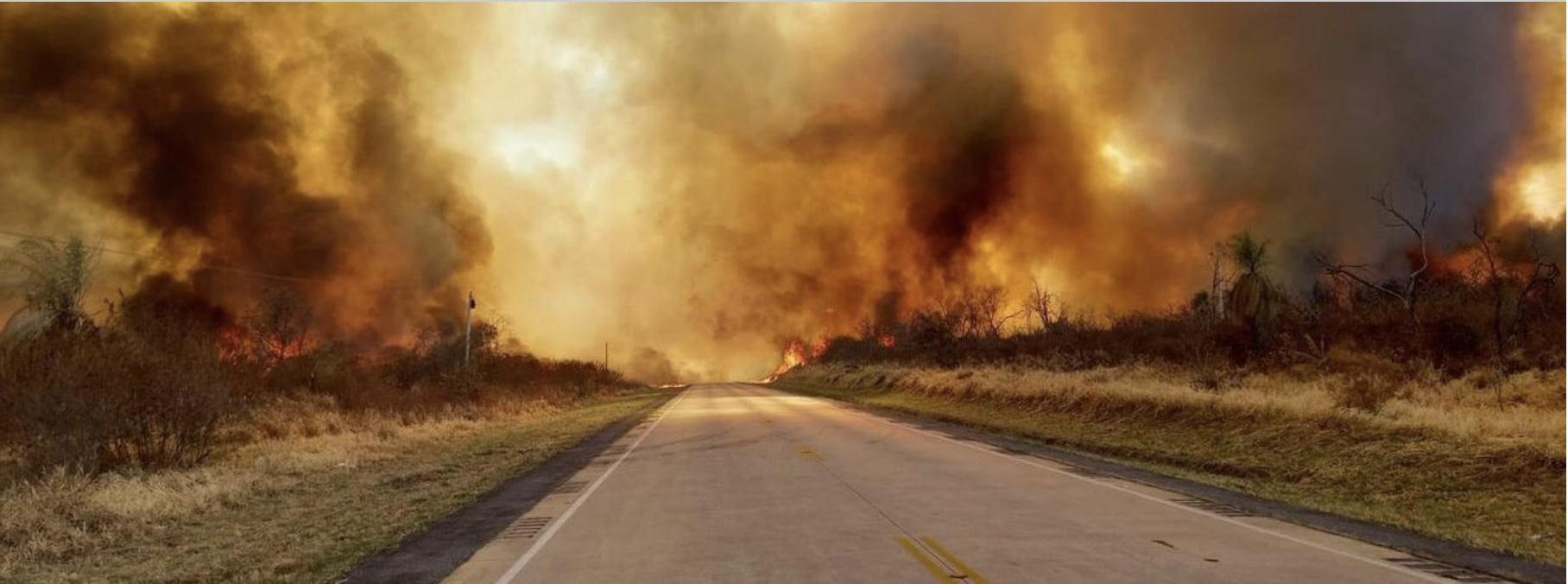
We must also remember the Law for the Rational Use and Management of Burning of April 2019, which led to the worst fire in recent times in Chiquitania and the Amazon, with more than 5.3 million hectares lost and the destruction of flora and fauna of this important area.
All this panorama explains the refusal made by Luis Arce to reach the goal of zero deforestation in Bolivia, during the Amazon Summit in Belém do Pará, held in Brazil last August.
Added to this are the predatory projects, with illegal mining and cooperative mining that now have an endorsement to sell gold to the State and the specifications that they presented in La Paz to be able to enter protected areas, when they are already installed de facto as is already the case. inside the Tipnis.
Finally, there are the highway projects that also invade the country’s protected areas and nature reserves, especially in the eastern part of the country.
The most affected national parks turn out to be, according to the FAN document, Amboró, Isiboro Sécure (Tipnis), Carrasco and San Matías. And also the protected areas Laguna Concepción, Río Grande and Valles Cruceños and Güenda Urubó.
This last case, with the La Guardia – Buena Vista highway, is the one that we have denounced this year from the Secretary of the Environment, Climate Change, Protected Areas and Natural Resources of the Chamber of Deputies, because it also puts the aquifers that supply the of the liquid element to Santa Cruz, and that the regime insists on approving without measuring the consequences to the life of the population.
All these objective, measurable and verifiable data confirm that the policies of the supposed “defense of Mother Earth” that the MAS has managed since it came to power, was and is only a populist and demagogue discourse, because in fact Bolivia with its protected areas and its forests are worse than ever, heading for an irreparable environmental disaster.
Deforestación: Datos desmontan el discurso del régimen sobre la Madre Tierra
Por María René Álvarez, diputada nacional
Una investigación de la Fundación Amigos de la Naturaleza (FAN) concluye que entre 2011 y 2022, en Bolivia se alcanzó una pérdida de la cobertura boscosa del 37%.
La deforestación, los desmontes, los avasallamientos, las quemas indiscriminadas, la tala de árboles y tráfico de madera son parte del problema.
El mismo informe confirma que Santa Cruz es el departamento más afectado con 20% de deforestación. El bosque original del departamento se redujo de 32 millones de hectáreas a 26 millones de hectáreas.
Y dentro del departamento es el bosque chiquitano el que más pérdidas registra con 30% de hectáreas en San Ignacio, San Rafael, San José de Chiquitos, Roboré, San Miguel, El Carmen Rivero Tórrez, Concepción, además de Charagua y Guarayos.
Todo este panorama es consecuencia directa de las políticas depredadoras del nivel central y el régimen del MAS, tanto con Evo Morales como con Luis Arce.
El informe cita, por ejemplo, las decisiones tomadas en la Cumbre Alimentaria Sembrando por Bolivia de 2015, que fue ampliando a 10 millones de hectáreas el área aprobada para la producción agrícola, con el aplauso de una parte del sector empresarial que solo él busca rédito inmediato como hace cualquier organización social afín al régimen masista.
También debemos recordar la Ley de Uso y Manejo Racional de Quemas de abril de 2019 que derivó en el peor incendio de los últimos tiempos en la Chiquitania y la Amazonia, con más de 5,3 millones de hectáreas perdidas y la destrucción de la flora y fauna de esta importante zona.
Todo este panorama explica el rechazo que hizo Luis Arce a alcanzar la meta de deforestación cero en Bolivia, durante la Cumbre de la Amazonia en Belém do Pará, desarrollada en Brasil en agosto pasado.
A esto se suman los proyectos depredadores, con la minería ilegal y aquella cooperativizada que ahora cuentan con aval para vender oro al Estado y el pliego que presentaron en La Paz para poder ingresar a las áreas protegidas, cuando ya están instalados de facto como ya sucede dentro del Tipnis.
Finalmente, están los proyectos de carreteras que también invaden las áreas protegidas y las reservas naturales del país, sobre todo en el oriente del país.
Los parques nacionales más afectados resultan ser, según el documento de la FAN, el Amboró, Isiboro Sécure (Tipnis), Carrasco y San Matías. Y también las áreas protegidas Laguna Concepción, Río Grande y Valles Cruceños y Güenda Urubó.
Ese último caso, con la carretera La Guardia – Buena Vista, es el que hemos denunciado este año desde la Secretaría de Medio Ambiente, Cambio Climático, Áreas Protegidas y Recursos Naturales de la Cámara de Diputados, porque además pone en riesgo los acuíferos que abastecen del líquido elemento a Santa Cruz, y que el régimen se empecina en aprobar sin medir las consecuencias a la vida de la población.
Todos estos datos objetivos, medibles y comprobables confirman que las políticas de supuesta “defensa de la Madre Tierra” que manejó el MAS desde su llegada al poder, solo fue y es un discurso populista y demagogo, porque en los hechos Bolivia con sus áreas protegidas y sus bosques está peor que nunca, rumbo a un desastre ambiental irreparable.

 Bolivian Thoughts | Pensamientos Bolivianos (Bilingual/Bilingüe)