
Editorial, El Deber:
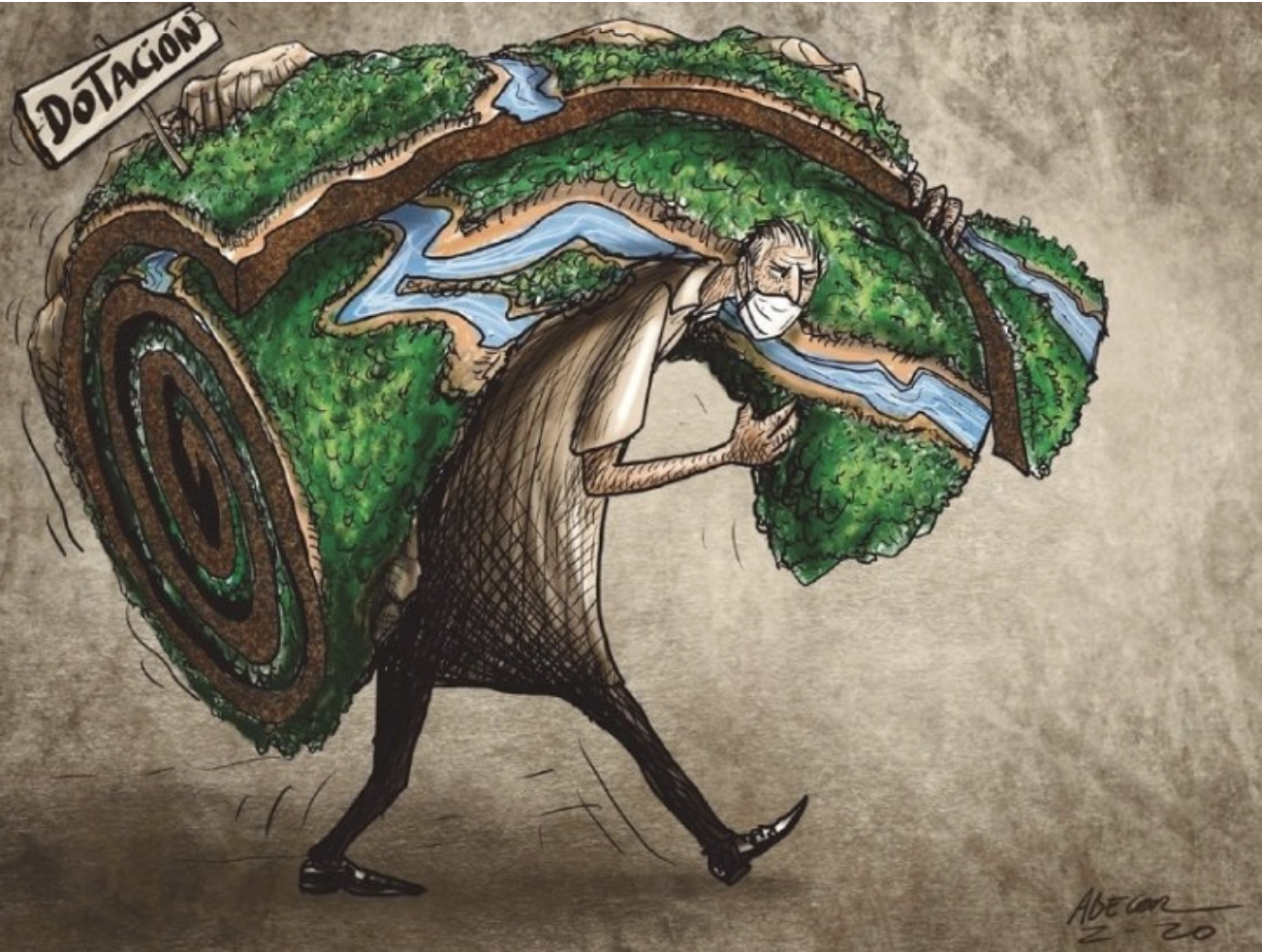
It is not just one threatened area, nor two nor three. The environment is under threat across the country and in multiple ways. And involved, there are insensitive authorities, who have not been able to prevent damage to the ecosystem, who grant licenses of all kinds and who are responsible for water pollution, loss of forests and animals, among other effects whose damages will be seen in short time.
Only in Santa Cruz there are at least three known facts in the last week. The most noisy has to do with the Las Cruces-Buena Vista highway and the intervention in the Güenda-Urubó protected area. The route proposed by the national government intends to split this aquifer recharge area in two, leaving a devastating effect on the provision of water to the department’s metropolitan area. This reality collides head-on with the stubbornness of the Minister of Public Works and, therefore, of those who manage the Bolivian Highway Administrator.
As if that were not enough, it turns out that on the same protected area there are more than 17,000 lots that are offered for sale for $1,000 to public employees from all over the country, as if the provision of water for this and the following generations were a minor issue. The implantation of urbanizations in the area would generate sewage that would contaminate the underground aquifers in an irremediable way.
In another area of the department, the opening of a road was authorized, splitting the forest of giant ferns in two, an area that was unique and considered a jewel of nature, now an environmental disaster. Of course, not only whoever did it is responsible, but also whoever authorized it.
On the other hand, there are various so-called protected areas, but in reality they are left on their own, which have become fertile ground for illegal coca plantations and for the installation of cocaine factories. They are not intervened and they also have armed surveillance.
The exploitation of gold is another of the serious crimes against nature. There is an excessive and discretionary use of mercury that fills the rivers from which various indigenous communities get their water with toxins. But there is also an invasion of huge dredges that alter the ground. The consequence of all this is the periodic landslides in the northern area of La Paz. Are there forceful actions by the State to stop it? Very few, the majority for the show and many speeches that hide indolence or permissiveness.
The dams that provide water to La Paz are surrounded by sewage that can generate contamination and on which there is no clear intervention on the part of the authorities.
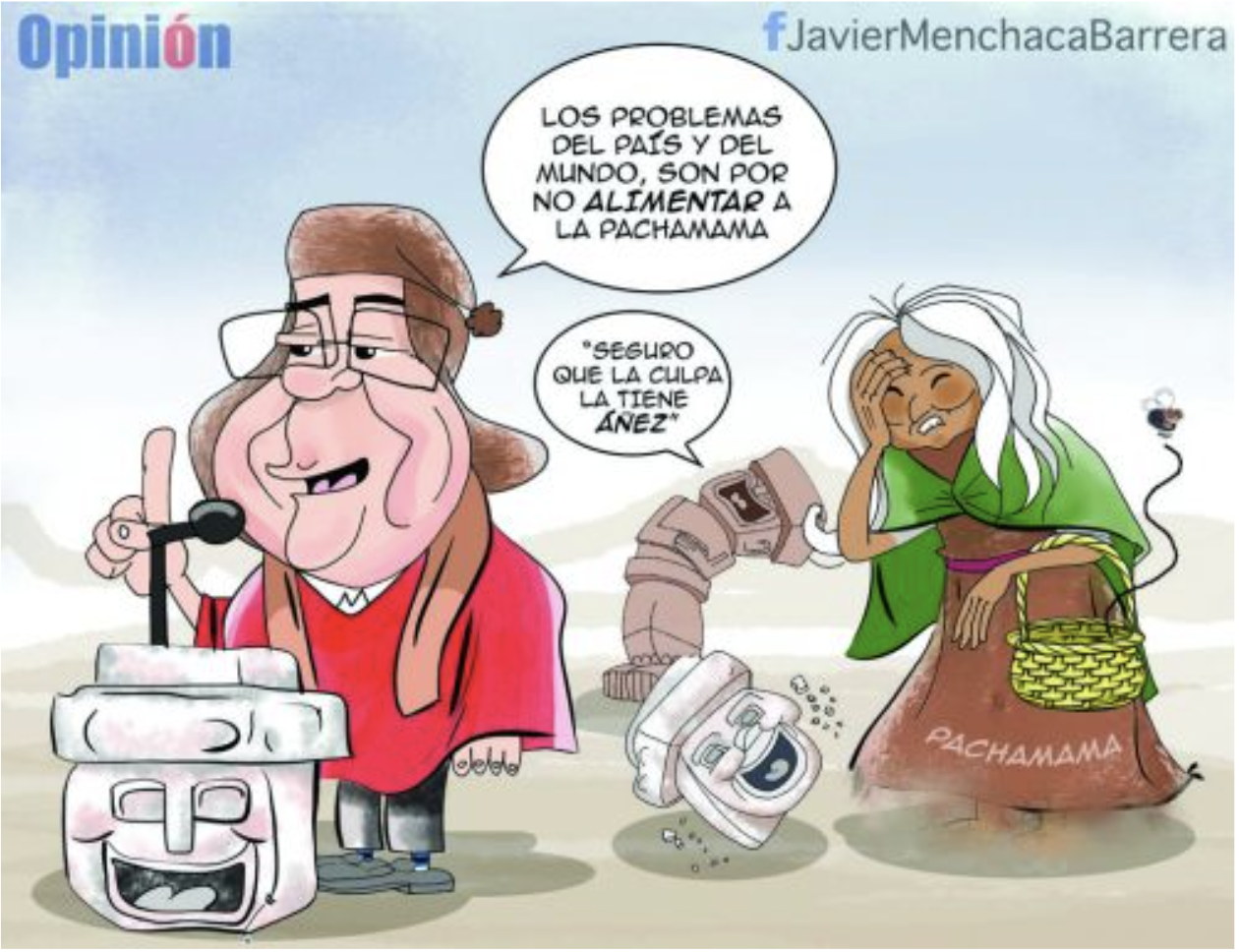
Every time the president or his ministers leave the country they give “exemplary” speeches about how Bolivia takes care of “Pachamama” or Mother Earth, but in truth there is disinterest and indolence about what really happens with natural resources. It is a logic of getting the maximum profit today, regardless of the cost for tomorrow. An unfortunate reality that the youngest and children will pay.
Already at this time there are cities hit by periodic droughts, there are polluted lagoons and large lakes that are drying up. Will the president and his ministers or mayors care that in five or ten years their children and grandchildren have to suffer from high temperatures, lack of water and a host of other problems?
The claim must come from the citizenry. Those who have the mission of taking care of us are failing in the attempt.
No es solo una zona amenazada, ni dos ni tres. El medioambiente está acechado en todo el país y de múltiples maneras. Y enfrente hay autoridades insensibles, que no han sido capaces de prevenir el daño al ecosistema, que otorgan licencias de todo tipo y que son responsables de la contaminación de aguas, pérdida de bosques y de animales, entre otros efectos cuyas facturas se verán a corto plazo.
Solo en Santa Cruz hay al menos tres hechos conocidos en la última semana. El más bullado tiene que ver con la carretera Las Cruces-Buena Vista y la intervención en el área protegida Güenda-Urubó. La vía propuesta por el Gobierno nacional pretende partir en dos esta zona de recarga acuífera, dejando un efecto devastador en la provisión de agua al área metropolitana del departamento. Esta realidad se choca de frente con la tozudez del ministro de Obras Públicas y, por ende, de quienes dirigen la Administradora Boliviana de Carreteras.
Por si eso fuera poco, resulta que sobre la misma área protegida hay más de 17.000 lotes que se ofrecen a la venta en 1.000 dólares a empleados públicos de todo el país, como si la provisión de agua para esta y las siguientes generaciones fuera un tema menor. La implantación de urbanizaciones en la zona generaría aguas servidas que contaminarían los acuíferos subterráneos de manera irremediable.
En otra zona del departamento, se autorizó la apertura de un camino partiendo en dos el bosque de los helechos gigantes, una zona que era única y considerada una joya de la naturaleza, ahora devenida en un desastre ambiental. Por supuesto, no solo es responsable quién lo hizo, sino también quién lo autorizó.
Por otra parte, hay varias áreas llamadas protegidas, pero que en realidad están libradas a su suerte, que se han vuelto terreno fértil para plantaciones ilegales de coca y para la instalación de fábricas de cocaína. No son intervenidas y además tienen vigilancia armada.
La explotación de oro es otro de los graves crímenes contra la naturaleza. Hay un uso excesivo y discrecional de mercurio que llena de toxinas los ríos de donde se abastecen de agua varias comunidades indígenas. Pero además hay una invasión de inmensas dragas que alteran el suelo. La consecuencia de todo esto son los deslizamientos periódicos en la zona norte de La Paz. ¿Hay acciones contundentes del Estado para frenar? Muy pocas, la mayoría para las cámaras y sí muchos discursos que esconden la indolencia o la permisividad.
Las represas que proveen de agua a La Paz están rodeadas de aguas negras que pueden generar contaminación y sobre las que no hay una intervención clara de parte de las autoridades.
Cada vez que el presidente o sus ministros salen del país dan ‘ejemplares’ discursos de cómo en Bolivia se cuida la ‘Pachamama’ o Madre Tierra, pero en verdad hay desinterés e indolencia sobre lo que realmente pasa con los recursos naturales. Es una lógica de sacar el máximo rédito hoy, sin que importe el costo para el día de mañana. Una lamentable realidad que pagarán los más jóvenes y los niños.
Ya en este momento hay ciudades golpeadas por sequías periódicas, hay lagunas contaminadas y grandes lagos que se están secando. ¿Le importará al primer mandatario y a sus ministros o a los alcaldes que en cinco o diez años sus hijos y sus nietos tengan que padecer por las temperaturas elevadas, por la falta de agua y por un sinfín de problemas adicionales?
El reclamo debe salir desde la ciudadanía. Quienes tienen la misión de cuidarnos están fracasando en el intento.
https://eldeber.com.bo/opinion/hasta-cuando-se-tolera-el-dano-al-medioambiente_338082

 Bolivian Thoughts | Pensamientos Bolivianos (Bilingual/Bilingüe)