
Erbol, Correo del Sur:
In the letter sent to the President they cite the case of two park rangers prosecuted for a criminal action brought about by a cooperative miner who was prevented from entering a protected area to exploit gold
In a letter addressed to President Luis Arce, the park rangers of protected areas request to set a time and date for a hearing with the objective of presenting documentation on the complaints of attacks to the protection unit and request that he instruct the Armed Forces to comply with laws and judicial resolutions. that determine their support for nature reserves.
Another request to President Arce is to instruct that the State Comptroller General’s Office carry out an audit of the National Service of Protected Areas (Sernap), National Institute of Agrarian Reform (INRA), Authority for the Supervision and Social Control of Forests and Land (ABT) and Ministry of Environment and Water (MMAyA).
Finally, if they are not favorably attended to, they warn against taking measures that by right correspond to them as a protection unit for protected areas.
The requests, which contain the letter signed by more than 40 park rangers who guard protected areas throughout the national territory, appeal to article 9 of the Escazú Agreement ratified by Bolivia (Law 1182), which establishes the obligation to promote free access to environmental information contained in concessions, agreements, contracts, resolutions and others that involve the use of public goods.
Park rangers prosecuted and authorities ask for money
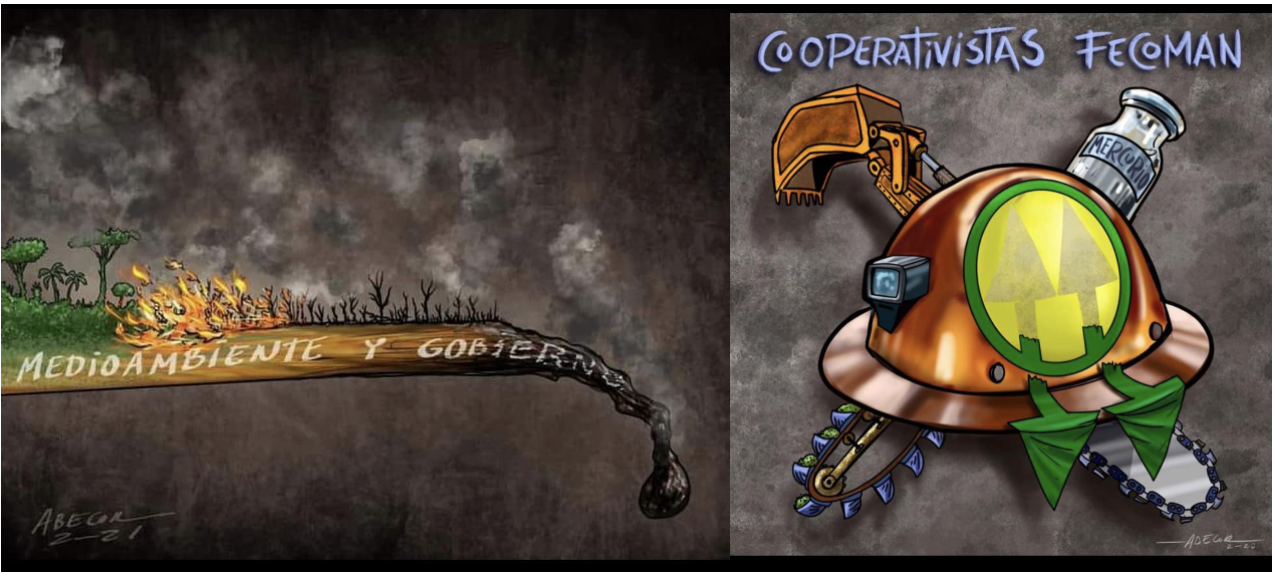
Within the framework of the details of the complaints, the letter cites the case in which two park rangers of the Madidi Park (Raúl Santa Cruz and Marcos Uzquiano) are subject to a criminal action carried out by a cooperative miner (Ramiro Cuevas) who was prevented from entering with machinery to exploit gold in a protected area.
Another point in the background refers to the fact that the MMAyA, as well as Sernap executives, do not provide legitimate benefits or essential materials to the park rangers to carry out their work, even restricting their access to donations intended for that protection body and causing them to instability and job insecurity.
The document also emphasizes that the authorities designated for the executive directorates of Sernap, INRA, ABT and MMAyA lack training, capacity and aptitude for these positions, ignoring in fact the importance of protected areas for all forms of of life, as in the case of its transcendental role in the water cycle.
“These public servants do not comply with the applicable legal provisions for hiring directors of Protected Areas and authorize the illegal execution of activities in protected areas and even ask us for money to continue in our positions,” reads the text of the letter.
Another fact that motivates the letter refers to the permanent physical and verbal attacks suffered by the operators who protect the protected areas by actors related to illegal activities (miners, loggers, oppressors, drug and wildlife traffickers, etc.), who despite to request help from the public force and the army, they were denied support.
En la carta enviada al Presidente citan el caso de dos guardaparques procesados por una acción penal impulsada por un minero cooperativista al que impidieron ingresar a un área protegida para explotar oro
En una carta dirigida al presidente Luis Arce, los guardaparques de áreas protegidas solicitan fijar hora y fecha para una audiencia con el objetivo de presentar documentación sobre las denuncias de agresiones al cuerpo de protección y pedir que instruya a las Fuerzas Armadas cumplir leyes y resoluciones judiciales que determinan su apoyo a las reservas naturales.
Otra solicitud al presidente Arce es la de instruir que la Contraloría General del Estado realice una auditoría al Servicio Nacional de Áreas Protegidas (Sernap), Instituto Nacional de Reforma Agraria (INRA), Autoridad de Fiscalización y Control Social de Bosques y Tierra (ABT) y Ministerio de Medio Ambiente y Agua (MMAyA).
Finalmente, en caso de no ser atendidos favorablemente, advierten con asumir medidas que por derecho les corresponden como cuerpo de protección de las áreas protegidas.
Las solicitudes, que contiene la carta firmada por más de 40 guardaparques que velan las áreas protegidas en todo el territorio nacional, apelan al artículo 9 del Acuerdo de Escazú ratificado por Bolivia (Ley 1182), que establece la obligación de promover el libre acceso a información ambiental contenida en concesiones, convenios, contratos, resoluciones y otros que involucren uso de bienes públicos.
Guardaparques procesados y autoridades piden dinero
En el marco del detalle de las denuncias, la carta cita el caso en el que dos guardaparques del Parque Madidi (Raúl Santa Cruz y Marcos Uzquiano) son sujetos de una acción penal efectuada por un minero cooperativista (Ramiro Cuevas) al que impidieron ingresar con maquinaria a explotar oro en un área protegida.
Otro punto de los antecedentes hace referencia a que el MMAyA, así como ejecutivos del Sernap, no proveen de beneficios legítimos ni de materiales indispensables a los guardaparques para que cumplan su labor, coartándoles inclusive el acceso a donaciones destinadas a ese cuerpo de protección y provocándoles inestabilidad e inseguridad laboral.
El documento también enfatiza en que las autoridades designadas para las direcciones ejecutivas del Sernap, del INRA, de la ABT y del MMAyA carecen de formación, capacidad y aptitud para esos cargos, al desconocer en los hechos la importancia de las áreas protegidas para toda forma de vida, como en el caso de su rol trascendental en el ciclo del agua.
“Estos servidores públicos no cumplen las disposiciones jurídicas aplicables para la contratación de directores de Áreas Protegidas y autorizan la ejecución ilegal de actividades en áreas protegidas e inclusive nos piden dinero para continuar en nuestros cargos”, reza el texto de la carta.
Otro hecho que motiva la misiva refiere las permanentes agresiones físicas y verbales que sufren los operadores que amparan las áreas protegidas por parte de actores relacionados con actividades ilegales (mineros, madereros, avasalladores, traficantes de droga y fauna silvestre, etc.), quienes pese a solicitar el auxilio de la fuerza pública y el ejército, recibieron negativas de apoyo.

 Bolivian Thoughts | Pensamientos Bolivianos (Bilingual/Bilingüe)