
Energy Portal:
New Challenges in Bolivia: Exploring the Environmental Impact of Chaqueo

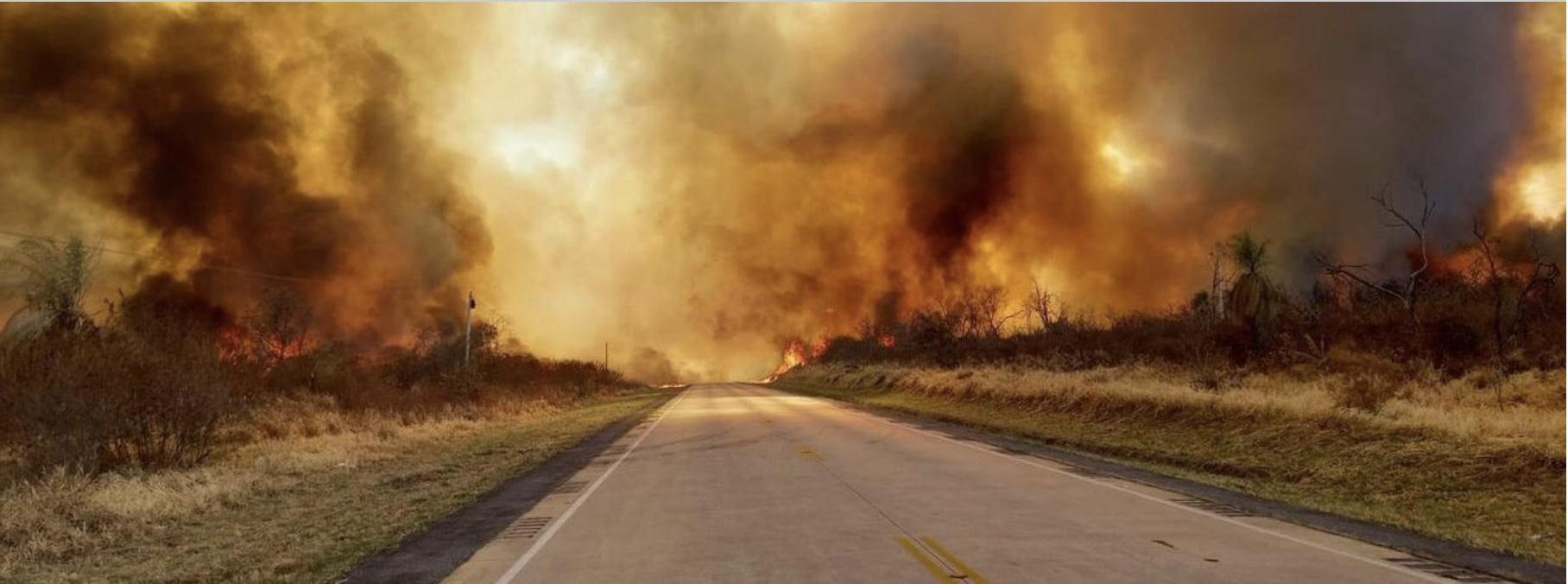
In the past year, wildfires have devastated almost 6.7 million acres of land in Bolivia, leaving a lasting impact on the country’s environment and its people. The fires, largely blamed on the agricultural practice of chaqueo, have brought to light the negative consequences of this traditional method. Chaqueo involves cutting down vegetation and burning it to clear land and prepare it for cultivation. However, in recent years, its effectiveness and environmental impact have become a topic of debate.
While chaqueo has long been used as a means to clear land and add nutrient-rich ash to the soil, its widespread and unchecked expansion has raised concerns. The practice has been closely tied to the expansion of export crop cultivation, benefitting both small farmers and large agro-industrial companies. However, the regulations put in place during the previous Morales administration have brought about unintended consequences, leading to deforestation and increased vulnerability to wildfires.
The Santa Cruz Department has been hit hardest by the recent fires, given its role as the country’s food producer and the significant increase in cultivated land. Soybeans, the main crop in Santa Cruz, account for nearly all of Bolivia’s soybean exports. This expansion of agriculture has come at the cost of extensive deforestation, contributing to the country’s high ranking in the world for primary forest loss.
Critics argue that the regulations implemented during the Morales administration have encouraged and normalized burning as a means of clearing land, resulting in the devastating wildfires we see today. The lack of proper training and control among new settlers in these areas has worsened the situation, leading to out-of-control fires that destroy ecosystems and put nearby communities at risk.
Indigenous groups in Santa Cruz have been vocal about the inequities caused by the cadastral laws, which favor settlers encroaching on their ancestral lands. They hold the new settlers responsible for the fires that are destroying the ecosystems they have cherished for centuries. Calls for the repeal of laws that allow chaqueo have been made to address these environmental disasters.
As Bolivia grapples with the aftermath of the wildfires and the challenges presented by chaqueo, it is crucial to find sustainable solutions that balance agricultural needs with environmental conservation. Stricter regulations, improved training, and a focus on responsible land management are just some of the measures that can help mitigate the risks associated with this traditional practice. Only through a comprehensive approach can Bolivia hope to protect its natural resources and ensure a sustainable future for its people.
FAQ
What is chaqueo?
Chaqueo is a traditional agricultural practice in Bolivia that involves burning vegetation to clear land and prepare it for cultivation.
What are the negative environmental impacts of chaqueo?
Uncontrolled chaqueo can lead to deforestation, increased vulnerability to wildfires, and the destruction of ecosystems.
What role does chaqueo play in Bolivian agriculture?
Chaqueo has been tied to the expansion of export crop cultivation, benefitting both small farmers and large agro-industrial companies. However, its widespread and unchecked expansion has raised concerns about deforestation and environmental degradation.
What are the proposed solutions to address the challenges of chaqueo?
Stricter regulations, improved training, and responsible land management practices are some of the proposed solutions to mitigate the risks associated with chaqueo and protect Bolivia’s natural resources.
Nuevos desafíos en Bolivia: explorando el impacto ambiental de Chaqueo
Por Howard Rhodes
El año pasado, los incendios forestales devastaron casi 6,7 millones de acres de tierra en Bolivia, dejando un impacto duradero en el medio ambiente del país y su gente. Los incendios, atribuidos en gran medida a la práctica agrícola del chaqueo, han sacado a la luz las consecuencias negativas de este método tradicional. Chaqueo implica talar vegetación y quemarla para limpiar la tierra y prepararla para el cultivo. Sin embargo, en los últimos años, su efectividad e impacto ambiental se han convertido en un tema de debate.
Si bien el chaqueo se ha utilizado durante mucho tiempo como un medio para limpiar la tierra y agregar cenizas ricas en nutrientes al suelo, su expansión generalizada y desenfrenada ha generado preocupación. La práctica ha estado estrechamente vinculada a la expansión de los cultivos de exportación, beneficiando tanto a los pequeños agricultores como a las grandes empresas agroindustriales. Sin embargo, las regulaciones implementadas durante la administración anterior de Morales han tenido consecuencias no deseadas, provocando deforestación y una mayor vulnerabilidad a los incendios forestales.
El departamento de Santa Cruz ha sido el más afectado por los recientes incendios, dado su papel como productor de alimentos del país y el importante aumento de las tierras cultivadas. La soya, el principal cultivo de Santa Cruz, representa casi la totalidad de las exportaciones de soja de Bolivia. Esta expansión de la agricultura se ha producido a costa de una deforestación extensiva, lo que ha contribuido a que el país ocupe un alto puesto en el mundo en cuanto a pérdida de bosques primarios.
Los críticos argumentan que las regulaciones implementadas durante la administración de Morales han fomentado y normalizado la quema como medio para limpiar tierras, lo que ha resultado en los devastadores incendios forestales que vemos hoy. La falta de formación y control adecuado entre los nuevos pobladores de estas zonas ha empeorado la situación, provocando incendios descontrolados que destruyen ecosistemas y ponen en riesgo a las comunidades cercanas.
Los grupos indígenas de Santa Cruz han expresado su opinión sobre las desigualdades causadas por las leyes catastrales, que favorecen a los colonos que invaden sus tierras ancestrales. Responsabilizan a los nuevos colonos de los incendios que están destruyendo los ecosistemas que han apreciado durante siglos. Se han hecho llamados a la derogación de leyes que permiten el chaqueo para abordar estos desastres ambientales.
Mientras Bolivia lidia con las secuelas de los incendios forestales y los desafíos que presenta el chaqueo, es crucial encontrar soluciones sostenibles que equilibren las necesidades agrícolas con la conservación del medio ambiente. Regulaciones más estrictas, mejor capacitación y un enfoque en la gestión responsable de la tierra son solo algunas de las medidas que pueden ayudar a mitigar los riesgos asociados con esta práctica tradicional. Sólo mediante un enfoque integral Bolivia puede esperar proteger sus recursos naturales y garantizar un futuro sostenible para su pueblo.
Preguntas más frecuentes
¿Qué es chaqueo?
El chaqueo es una práctica agrícola tradicional en Bolivia que consiste en quemar vegetación para limpiar la tierra y prepararla para el cultivo.
¿Cuáles son los impactos ambientales negativos del chaqueo?
El chaqueo descontrolado puede provocar deforestación, mayor vulnerabilidad a los incendios forestales y la destrucción de ecosistemas.
¿Qué papel juega el chaqueo en la agricultura boliviana?
Chaqueo ha estado vinculado a la expansión de los cultivos de exportación, beneficiando tanto a los pequeños agricultores como a las grandes empresas agroindustriales. Sin embargo, su expansión generalizada y desenfrenada ha generado preocupaciones sobre la deforestación y la degradación ambiental.
¿Cuáles son las soluciones propuestas para abordar los desafíos del chaqueo?
Regulaciones más estrictas, mejor capacitación y prácticas responsables de manejo de la tierra son algunas de las soluciones propuestas para mitigar los riesgos asociados con el chaqueo y proteger los recursos naturales de Bolivia.

 Bolivian Thoughts | Pensamientos Bolivianos (Bilingual/Bilingüe)