
By Milton Condori, Vision 360:
From Beni to La Paz: Initiatives Grow to Curb Road Blockades and Defend Freedom of Movement
The municipalities of Rurrenabaque and Reyes have free-transit laws in place. In the city of La Paz, there is a proposed municipal law aimed at curbing road blockades. In other localities within the department, residents and authorities are guaranteeing free movement.
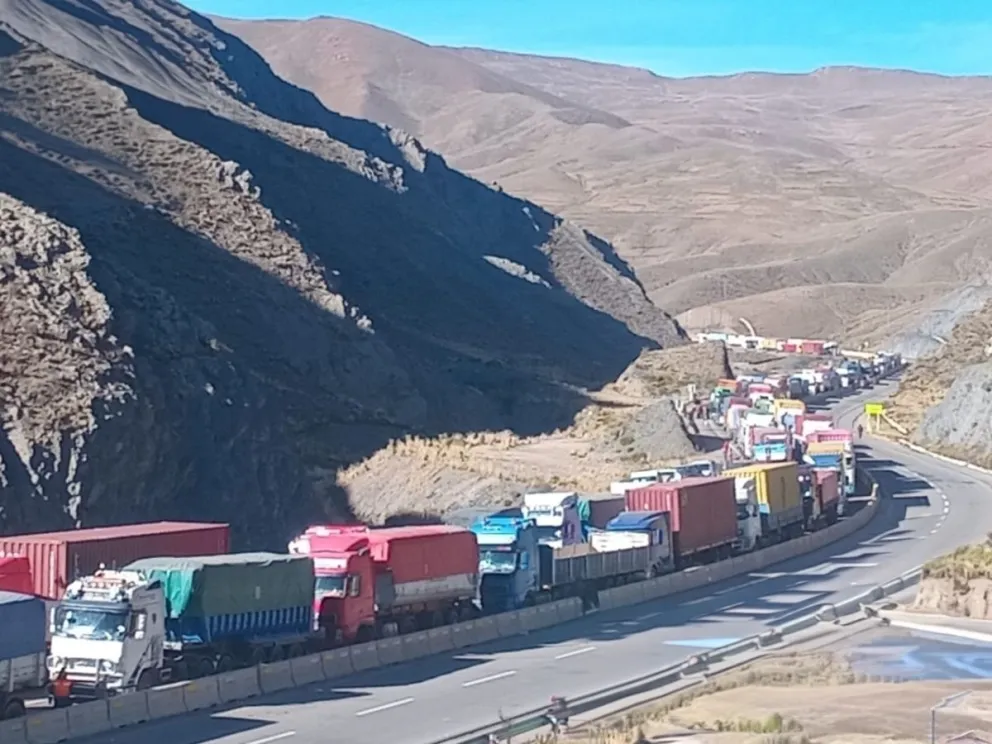
Road blockades have now lasted more than a month. Photo: Bolivian Highway Administration (ABC)
Initiatives to curb road blockades, which affect the movement of citizens and transportation, are increasing across the country. Rurrenabaque (Beni) became the first municipality to enact an anti-blockade law; it was later joined by Reyes, another municipality in Beni. In La Paz, a city councilwoman introduced a proposed municipal law to guarantee free movement within the city, while in Guanay, residents and authorities are holding a vigil in defense of free transit.
In May, Rurrenabaque became the first municipality to unanimously approve Municipal Anti-Blockade Free Transit Law No. 132. The regulation guarantees the right of all people to move freely along urban and rural public roads without arbitrary or illegal obstacles. The measure emerged after 22 days of shortages that affected the supply of food, goods, and tourism activities in the region.
In addition, the enacted law seeks to protect the tourism industry from road blockades that caused numerous mass cancellations by both domestic and international visitors.
Joining that region, the municipality of Reyes also has an “anti-blockade” law, according to its mayor, Jhonny Eladio Yáñez. “We have enacted Municipal Law No. 397, which is the law on free movement, supply, and basic services. We drafted the law to guarantee free transit, the right to life, to work, and to produce,” he stated, as quoted by Radio Fides.
The law seeks to mitigate the collateral effects of the political and social crisis that has paralyzed and affected Bolivia’s highways. Through this legal instrument, the Autonomous Municipal Government of Reyes prioritizes the following guarantees: the right to free movement, priority access to healthcare, food supplies, and the provision of basic services.
In La Paz, City Councilwoman Alejandra Delgado presented the Municipal Law on Freedom of Movement and Transit on May 27. The proposed legislation seeks to guarantee the right to free movement within the city and thereby ensure the supply of food, medicines, fuel, and basic services affected by blockades and protests.
“La Paz can no longer continue to be held hostage by blockades that punish the population. Protest is a constitutional right, but no right can destroy other fundamental rights such as health, work, food, and freedom of movement,” Delgado stated.
According to the proposal, the law would apply throughout the jurisdiction of the municipality of La Paz and would establish limits on protest measures that prevent the entry of food, medicines, ambulances, or fuel, as well as the closure of access roads to the city. One of the central points of the legislative initiative is that it authorizes the Municipal Executive to request that the central government declare a state of emergency in cases of serious internal unrest affecting security, supplies, and the fundamental rights of the residents of La Paz.
The municipality of Guanay has joined the list of localities taking nonviolent action—this time with a strong citizen-driven character—against the blockades. Its residents, together with municipal authorities, representatives of the Central Guanay Mining Cooperatives (Cecominag), leaders of the Territorial Grassroots Organizations (OTBs), social sectors, and civic groups, have joined the permanent vigil established in the Puente Armas sector in defense of free transit.
The municipalities of Tipuani, Mapiri, Teoponte, and Caranavi have also agreed to keep open the highways connecting northern La Paz with the seat of government and rejected the possibility of new blockades in the region. The decision was made during a meeting between Indigenous communities, neighborhood councils, transport operators, and mining cooperatives, who agreed to organize permanent vigils in the Puente Armas sector to guarantee the circulation of vehicles.
Por Milton Condori Apaza, Vision 360:
De Beni a La Paz: crecen las iniciativas para frenar los bloqueos y defender la libre transitabilidad
Los municipios Rurrenabaque y Reyes cuentan con una ley de libre tránsito. En la ciudad de La Paz hay un proyecto de ley municipal para frenar los bloqueos. En otras localidades del departamento sus pobladores y autoridades garantizan la transitabilidad.
Los bloqueos de carreteras ya duran más de un mes. Foto: Administradora Boliviana de Carreteras (ABC)
Las iniciativas para frenar los bloqueos, que afectan la circulación de ciudadanos y el transporte, aumentan en el país. Rurrenabaque (Beni) se convirtió en el primer municipio en tener una ley antibloqueos; a esa localidad se sumó Reyes, municipio también de Beni. En La Paz, una concejal planteó un proyecto de ley municipal para garantizar la libre circulación en la urbe y, en Guanay, los pobladores y autoridades realizan una vigilia por la libre transitabilidad.
En mayo, Rurrenabaque se convirtió en el primer municipio que aprobó por unanimidad la Ley Municipal Antibloqueos 132 de Libre Tránsito. Dicha norma garantiza el derecho de todas las personas a circular libremente por las vías públicas urbanas y rurales sin obstáculos arbitrarios o ilegales. La medida surgió luego de 22 días de desabastecimiento, que afectaron el suministro de alimentos, productos y la actividad turística de la región.
Además de ello, la norma promulgada busca proteger la industria turística frente a los bloqueos carreteros que provocaron varias cancelaciones masivas de visitantes nacionales e internacionales.
Sumado a esa región, el municipio de Reyes también cuenta con una ley “antibloqueo”, así lo informó su alcalde, Jhonny Eladio Yáñez. “Hemos promulgado la Ley Municipal 397, que es la ley de libre transitabilidad, abastecimiento y servicios básicos. Hemos elaborado la ley para garantizar el libre tránsito, el derecho a la vida, al trabajo, a producir”, afirmó, citado por radio Fides.
Dicha ley busca mitigar los efectos colaterales de la crisis política y social que paraliza y afecta a las carreteras bolivianas. Con esta herramienta jurídica, el Gobierno Autónomo Municipal de Reyes prioriza las siguientes garantías: el derecho al libre tránsito, al acceso prioritario a la salud, al abastecimiento de alimentos y al suministro de servicios básicos.
En La Paz, la concejal Alejandra Delgado presentó el Proyecto de Ley Municipal de Libre Locomoción y Transitabilidad el pasado 27 de mayo. La propuesta normativa busca garantizar el derecho a la libre circulación en la urbe paceña y así asegurar el abastecimiento de alimentos, medicamentos, combustible y servicios básicos afectados por los bloqueos y las protestas.
“La Paz ya no puede seguir siendo rehén de bloqueos que castigan a la población. La protesta es un derecho constitucional, pero ningún derecho puede destruir otros derechos fundamentales como la salud, el trabajo, la alimentación y la libre circulación”, señaló Delgado.
De acuerdo con la propuesta, la norma tendría alcance en toda la jurisdicción del municipio paceño y establece límites a las medidas de protesta que impidan el ingreso de alimentos, medicamentos, ambulancias o combustible, así como el cierre de vías de acceso a la ciudad. Uno de los puntos centrales de esa iniciativa normativa es que faculta al Ejecutivo Municipal a solicitar al nivel central la declaratoria de estado de excepción en caso de conmoción interna grave que afecte la seguridad, el abastecimiento y los derechos fundamentales de la población paceña.
El municipio de Guanay se suma a la lista de localidades que toman acciones no violentas, en este caso con un marcado corte ciudadano, contra los bloqueos. Sus pobladores, así como las autoridades municipales, representantes de la Central de Cooperativas Mineras de Guanay (Cecominag), dirigentes de las Organizaciones Territoriales de Base (OTB), sectores sociales y grupos civiles, se sumaron a la vigilia permanente instalada en el sector de Puente Armas, en defensa de la libre transitabilidad.
Incluso, los municipios de Tipuani, Mapiri, Teoponte y Caranavi acordaron mantener expeditas las carreteras que conectan el norte de La Paz con la sede de Gobierno y rechazaron la posibilidad de nuevos bloqueos en la región. Esa decisión se tomó en una reunión entre comunidades indígenas, juntas vecinales, transportistas y cooperativistas mineros, que resolvieron organizar vigilias permanentes en el sector de Puente Armas para garantizar la circulación de vehículos.


Leave a Reply