By Erbol:
STAGFLATION SEEN
Economic analysts Horst Grebe and Gonzalo Colque agreed that Bolivia is going through a “multiple crisis” marked by the deterioration of the hydrocarbons sector, a high fiscal deficit, shortage of dollars, fuel supply problems, and growing economic and institutional uncertainty about the country’s future.
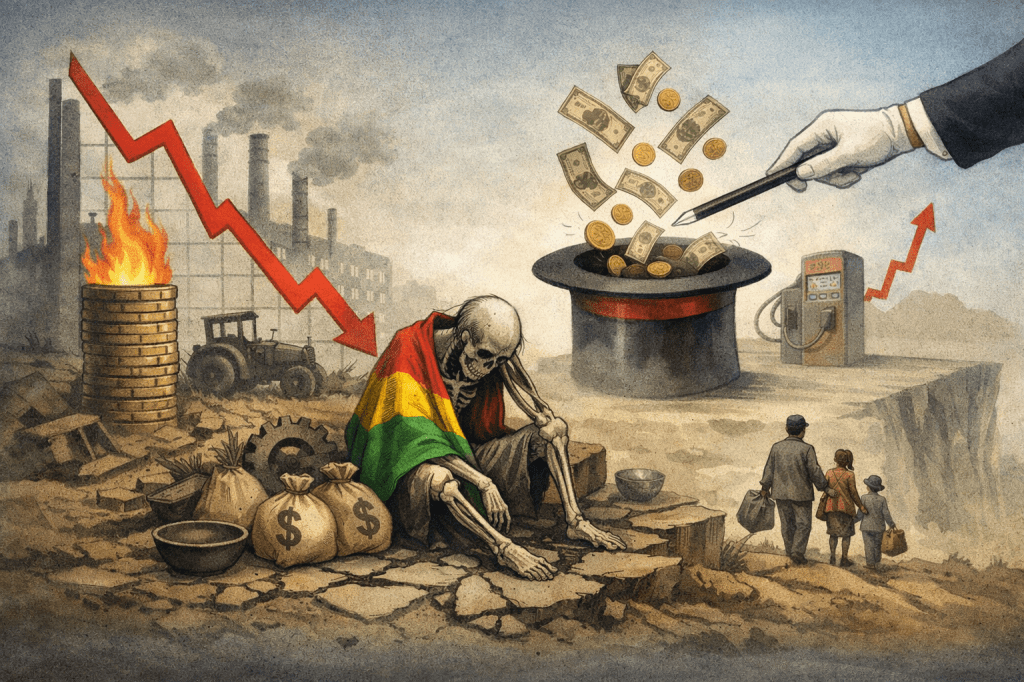
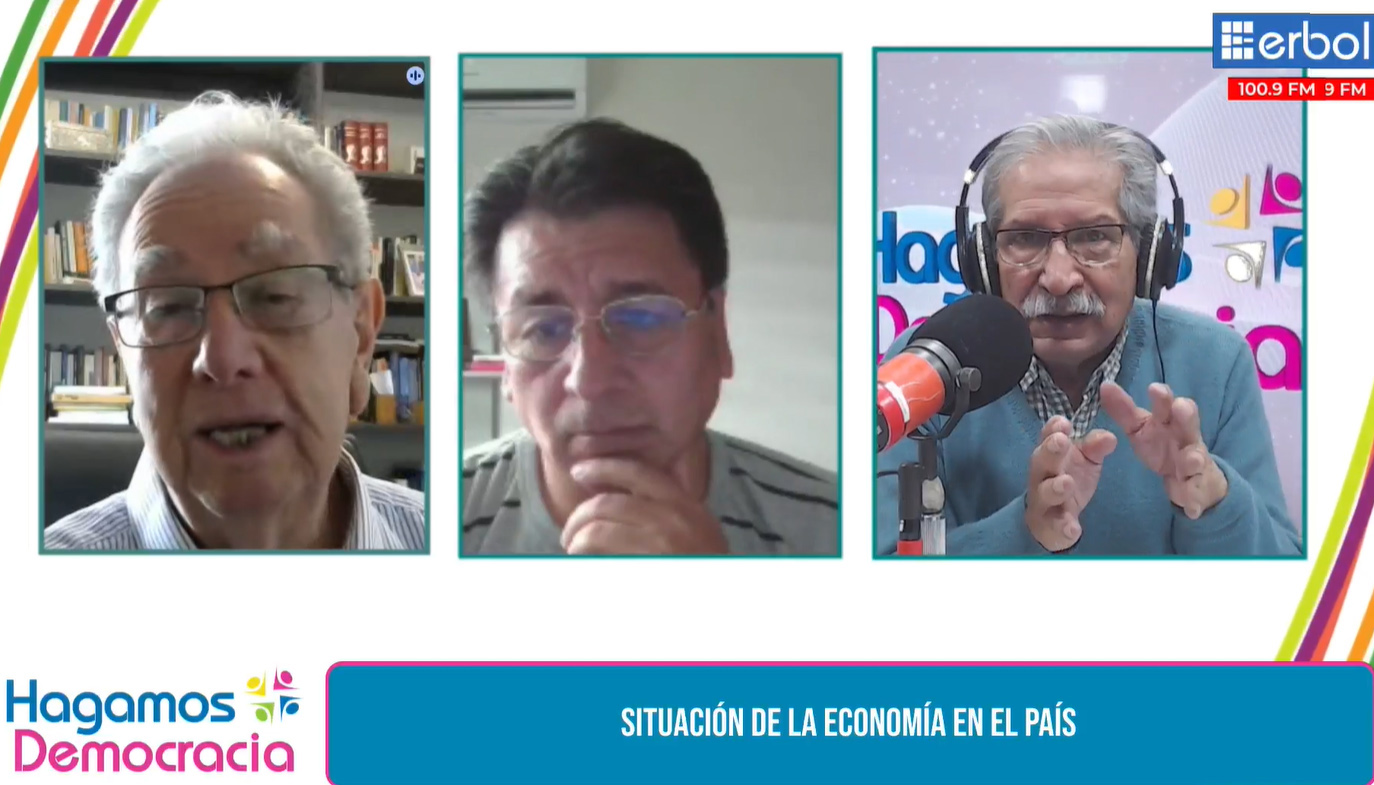
During the Hagamos Democracia program on Erbol, both specialists pointed out that the current situation reflects structural problems accumulated over several years and warned that the new government faces an extremely complex scenario.
Grebe maintained that the crisis is “undeniable” and results from a combination of factors that began to emerge since the middle of the past decade, mainly with the sustained drop in hydrocarbon production and the reduction of natural gas exports.
“The country is facing an economic, institutional, and political crisis. The economy did not grow in 2023; on the contrary, it registered an approximate contraction of 1.6%, according to official figures,” he stated.
The economist pointed out that the most visible expressions of the crisis are the lack of dollars, the fuel shortages, and the low quality of imported fuels. In his view, the central problem lies in the situation of YPFB and the loss of capacity to supply both the domestic market and gas exports.
“The fall in natural gas has been dramatic and has structurally altered Bolivia’s hydrocarbons situation,” Grebe said, additionally warning that the country is going through a scenario of “stagflation,” characterized by economic stagnation combined with inflation.
He added that inflation is still officially below 20%, although households perceive it differently due to the sustained increase in prices and supply difficulties. “We are in a stagflation situation with great uncertainty about the future, about employment, and about state-owned companies,” he stated.
For his part, Gonzalo Colque stressed that the fuel crisis has made evident the high dependence on diesel and gasoline imports, a situation worsened by the lack of foreign currency.
“There are no dollars, even though the government does not want to acknowledge it. That is the central problem behind the difficulty in importing fuels,” he stated.
The analyst questioned that, despite the increase in fuel prices and the official announcement of a supposed daily savings of 10 million dollars, the shortage of foreign currency persists.
“People ask where those resources are. The bolivianos entering the State do not automatically become dollars; that requires specific economic management that so far has not been seen,” he explained.
Colque considered that in recent months no deep economic reforms have been carried out to confront the structural foreign currency problem, so the country continues practically in the same situation as a year ago.
“We still do not have dollars to guarantee the supply of fuels, despite the increase in gasoline and diesel prices,” he emphasized.
Por Erbol:
OBSERVAN “ESTANFLACIÓN”
Los analistas económicos Horst Grebe y Gonzalo Colque coincidieron en que Bolivia atraviesa una “crisis múltiple” marcada por el deterioro del sector hidrocarburífero, un elevado déficit fiscal, escasez de dólares, problemas de abastecimiento de combustibles y una creciente incertidumbre económica e institucional sobre el futuro del país.
Durante el programa Hagamos Democracia de la red Erbol, ambos especialistas señalaron que la actual situación refleja problemas estructurales acumulados durante varios años y advirtieron que el nuevo gobierno enfrenta un escenario sumamente complejo.
Grebe sostuvo que la crisis es “innegable” y responde a una combinación de factores que comenzaron a manifestarse desde mediados de la pasada década, principalmente con la caída sostenida de la producción de hidrocarburos y la reducción de las exportaciones de gas natural.
“El país enfrenta una crisis económica, institucional y política. La economía no creció en 2023; al contrario, registró un decrecimiento aproximado del 1,6%, según cifras oficiales”, afirmó.
El economista señaló que las expresiones más visibles de la crisis son la falta de dólares, el desabastecimiento de combustibles y la baja calidad de los carburantes importados. A su juicio, el problema central radica en la situación de YPFB y la pérdida de capacidad para abastecer tanto el mercado interno como las exportaciones de gas.
“La caída del gas natural ha sido dramática y ha alterado estructuralmente la situación boliviana en materia de hidrocarburos”, sostuvo Grebe, quien además advirtió que el país atraviesa un escenario de “estanflación”, caracterizado por estancamiento económico combinado con inflación.
Añadió que la inflación todavía se mantiene oficialmente por debajo del 20%, aunque la percepción de los hogares es distinta debido al incremento sostenido de precios y las dificultades de abastecimiento. “Estamos en una situación de estanflación con gran incertidumbre sobre el futuro, sobre el empleo y sobre las empresas estatales”, afirmó.
Por su parte, Gonzalo Colque remarcó que la crisis de combustibles dejó en evidencia la alta dependencia de las importaciones de diésel y gasolina, situación que se agrava por la falta de divisas.
“No hay dólares, aunque el gobierno no quiera reconocerlo. Ese es el problema central detrás de la dificultad para importar combustibles”, afirmó.
El analista cuestionó que, pese al incremento en el precio de los carburantes y al anuncio oficial de un supuesto ahorro diario de 10 millones de dólares, la escasez de divisas persiste.
“La gente se pregunta dónde están esos recursos. Los bolivianos que ingresan al Estado no se convierten automáticamente en dólares; eso requiere una gestión económica específica que hasta ahora no se ha visto”, explicó.
Colque consideró que en los últimos meses no se realizaron reformas económicas de fondo para enfrentar el problema estructural de divisas, por lo que el país continúa prácticamente en la misma situación que hace un año.
“Seguimos sin dólares para garantizar el abastecimiento de combustibles, pese al aumento de precios de la gasolina y el diésel”, puntualizó.


Leave a Reply