
By El Dia:
Bolivia is experiencing an unprecedented energy crisis; expert warns that the model is unsustainable
This means that Bolivia now consumes more gas than it sells, an unprecedented situation that threatens the country’s energy and economic stability.
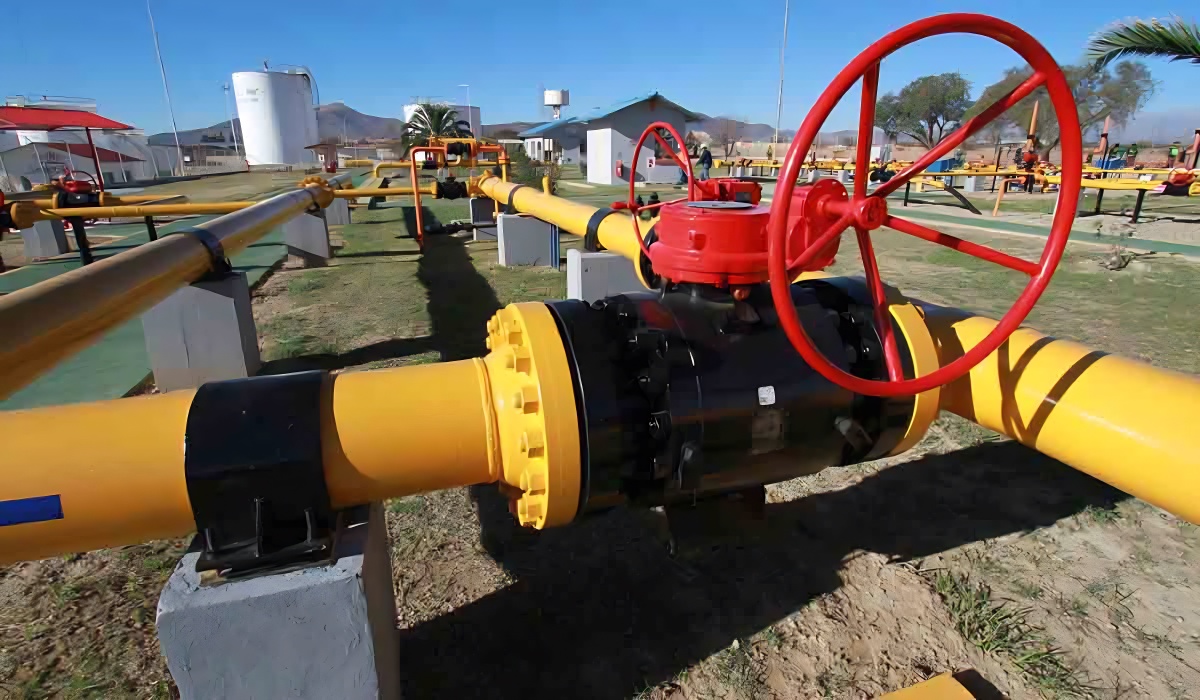
Illustration image. Photo: Internet.
Bolivia’s natural gas production has reached critical levels. In March, daily production fell to 24 million cubic meters, an alarming figure considering that domestic consumption amounts to 15 million cubic meters per day and exports to Brazil hover around 10 million.
This means that Bolivia now consumes more gas than it sells, an unprecedented situation that jeopardizes the country’s energy and economic stability. According to hydrocarbons expert Fernando Rodríguez Calvo, this reality reflects an unsustainable energy model that demands urgent measures.
Adding to the crisis is the shutdown of the Urea Plant, as well as state-owned cement plants in Potosí and Oruro, due to a lack of gas. The situation worsens because lower gas production also means fewer associated liquids, such as gasoline and diesel, forcing the country to increase hydrocarbon imports amid a dollar shortage.
THE SHARP DECLINE IN PRODUCTION
At its peak, Bolivia produced 62 million cubic meters of natural gas per day. Today, that figure has dropped to 24 million. Key fields like Margarita-Huacaya currently produce 8 million cubic meters per day, Sábalo 6 million, Incahuasi 6 million, and San Alberto just 1.2 million. Additionally, there is alarming depletion of wells, which are yielding more water than gas, signaling the natural decline of reservoirs without significant new exploration.
Liquid production has also plummeted. Previously, each million cubic feet of gas contained 54 barrels of liquids in fields like Margarita-Huacaya. Today, that figure has fallen to 22 barrels, reducing the availability of liquid fuels and increasing the need for imports.
AN UNSUSTAINABLE ENERGY MODEL
Hydrocarbons expert Fernando Rodríguez Calvo warns that the current gas crisis is just the tip of the iceberg. He estimates that Bolivia may soon be forced to import Liquefied Petroleum Gas (LPG) and eventually natural gas if new reserves are not incorporated. “This year, fuel imports could exceed $4 billion, and we don’t know where the resources will come from,” he stated. Moreover, he pointed out that most of this expenditure goes to fuel subsidies, which lie at the core of the structural problem.
Revenue from the Direct Hydrocarbons Tax (IDH) and royalties has also declined, impacting subnational governments and the national economy. The country’s dollar shortage further exacerbates the crisis, making fuel purchases from abroad increasingly difficult.
THE URGENCY OF NEW EXPLORATIONS
Rodríguez Calvo suggests halting uncertain exploration in the north and focusing on areas with proven potential, such as Charagua and Yapucaiti in Chuquisaca, Iñau, Bermejo X46, and the old Churumas wells, which are being refurbished to prevent an immediate collapse.
THE HYDROELECTRIC ALTERNATIVE: EL CARRIZAL
Faced with the imminent depletion of gas, experts like Mirko Gardilcic propose diversifying Bolivia’s energy matrix. One of the most promising projects is the El Carrizal hydroelectric plant, which could generate 1,842.8 gigawatt-hours (GWh) annually, covering a quarter of the country’s energy consumption.
Located in the Pilaya Canyon, the sixth deepest in the world, El Carrizal envisions the construction of a reservoir with a capacity of 1,334 hectometers, equivalent to more than 453,600 Olympic-size swimming pools. Additionally, it would enable regulated irrigation for 90,000 hectares in Tarija, generating an estimated $54 million annually from soybean production alone.
Bolivia faces a decisive moment in its energy policy. The decline in gas production, the rise in fuel imports, and the dollar shortage make it urgent to implement both short- and long-term solutions. While experts propose new exploration and alternatives such as hydroelectric power, the key question remains: Will the country act in time to prevent an energy collapse?
Por El Dia:
Bolivia sufre una crisis energética sin precedentes; experto advierte que el modelo es insostenible
Esto significa que Bolivia ya consume más gas del que comercializa, una situación sin precedentes que pone en riesgo la estabilidad energética y económica del país.
Imagen de ilustración. Foto: Internet.
La producción de gas natural en Bolivia ha alcanzado niveles críticos. En marzo, la producción diaria llegó a 24 millones de metros cúbicos, una cifra alarmante si se considera que el consumo interno asciende a 15 millones de metros cúbicos diarios y las exportaciones a Brasil rondan los 10 millones.
Esto significa que Bolivia ya consume más gas del que comercializa, una situación sin precedentes que pone en riesgo la estabilidad energética y económica del país. Según el experto en hidrocarburos Fernando Rodríguez Calvo, esta realidad refleja un modelo energético insostenible que exige medidas urgentes.
A esto se suma la paralización de la Planta de Urea, así como de las plantas cementeras estatales en Potosí y Oruro, debido a la falta de gas. La crisis se profundiza porque la menor producción de gas implica también una menor cantidad de líquidos asociados, como gasolina y diésel, lo que obliga al país a incrementar sus importaciones de hidrocarburos en un contexto de escasez de dólares.
LA DRÁSTICA CAÍDA DE LA PRODUCCIÓN
En su mejor momento, Bolivia producía 62 millones de metros cúbicos diarios de gas natural. Hoy, esa cifra se ha reducido a 24 millones. Campos clave como Margarita-Huacaya producen actualmente 8 millones de metros cúbicos diarios, Sábalo 6 millones, Incahuasi 6 millones y San Alberto apenas 1.2 millones. A esta situación se suma un alarmante agotamiento de los pozos, que están reportando más agua que gas, lo que evidencia el declive natural de los yacimientos sin nuevas exploraciones significativas.
La producción de líquidos también ha disminuido drásticamente. Antes, cada millón de pies cúbicos de gas contenía 54 barriles de líquidos en campos como Margarita-Huacaya. Hoy, esa cifra ha caído a 22 barriles, reduciendo la disponibilidad de combustibles líquidos y aumentando la necesidad de importación.
UN MODELO ENERGÉTICO INSOSTENIBLE
El experto en hidrocarburos Fernando Rodríguez Calvo advierte que la actual crisis del gas es solo la punta del iceberg. En su análisis, estima que Bolivia podría verse obligada a importar Gas Licuado de Petróleo (GLP) y eventualmente gas natural si no se incorporan nuevas reservas. “Este año, la importación de combustibles podría superar los 4 mil millones de dólares, y no sabemos de dónde saldrán los recursos”, señaló. Además, resaltó que la mayor parte de este gasto se destina a la subvención de los carburantes, lo que representa el núcleo del problema estructural.
Los ingresos por el Impuesto Directo a los Hidrocarburos (IDH) y las regalías también han caído, impactando a los gobiernos subnacionales y a la economía nacional. La falta de dólares en el país agrava aún más la crisis, complicando la compra de combustibles en el exterior.
URGENCIA DE NUEVAS EXPLORACIONES
Rodríguez Calvo propone dejar de hacer exploraciones inciertas en el norte del país y centrarse en zonas con mayor potencial comprobado, como Charagua y Yapucaiti en Chuquisaca, Iñau, Bermejo X46 y los pozos antiguos de Churumas, que están siendo reacondicionados para evitar un colapso inmediato.
LA ALTERNATIVA HIDROELÉCTRICA: EL CARRIZAL
Ante el inminente agotamiento del gas, expertos como Mirko Gardilcic plantean la necesidad de diversificar la matriz energética de Bolivia. Uno de los proyectos más prometedores es la hidroeléctrica de El Carrizal, que podría generar 1.842,8 gigavatios por hora (GWh) al año, cubriendo una cuarta parte del consumo energético del país.
Ubicado en el Cañón de Pilaya, el sexto más profundo del mundo, El Carrizal contempla la construcción de un embalse con capacidad de 1.334 hectómetros cúbicos, equivalente a más de 453.600 piscinas olímpicas. Además, permitiría el riego regulado de 90.000 hectáreas en Tarija, generando ingresos estimados en 54 millones de dólares anuales solo con la producción de soya.
Bolivia enfrenta un momento decisivo en su política energética. La caída de la producción de gas, el aumento de las importaciones de combustibles y la falta de dólares urgen la implementación de soluciones a corto y largo plazo. Mientras los expertos proponen nuevas exploraciones y alternativas como la energía hidroeléctrica, la pregunta clave sigue siendo si el país reaccionará a tiempo para evitar un colapso energético.

 Bolivian Thoughts | Pensamientos Bolivianos (Bilingual/Bilingüe)