
By El Diario:
The cost of living in Bolivia rises
- The devaluation of the boliviano, in relation to the dollar in the parallel market, worsens the economic situation of the most vulnerable population, particularly the informal sector that relies on daily income.
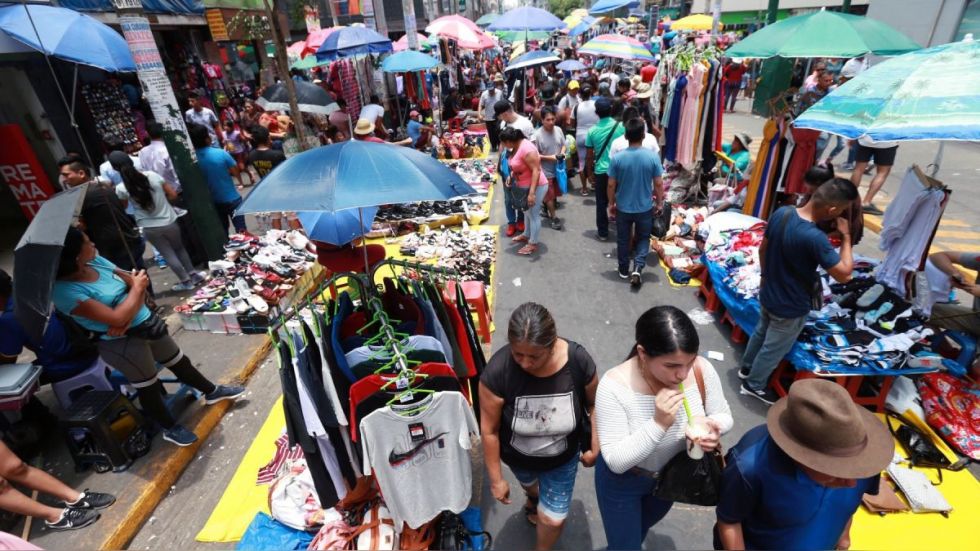
The economic crisis in the country is worsening, with a clear indication being the rise in poverty, driven by the increased cost of living. This is further compounded by the social and political uncertainty experienced by the Bolivian population. Four out of every ten people are living in poverty, facing serious limitations in meeting their basic needs.
“Bolivia ranks third in poverty in South America, meaning that approximately four out of ten inhabitants in our country are poor,” according to Fernando Romero, president of the Tarija Departmental College of Economists.
Additionally, the devaluation of the national currency against the dollar worsens the purchasing power of the most vulnerable families, reducing their consumption and slowing down the economy’s overall activity.
Romero noted that the latest poverty data for Bolivia, according to the National Institute of Statistics (INE), showed a rate of 37.7% in 2022. He added that this figure is likely to have increased, considering not only the country’s challenging economic situation, which affects the income of its predominantly informal workforce, but also the low population growth rate since 2012, as highlighted by the 2024 Census, which could further impact poverty levels in Bolivia.
Meanwhile, the Chilean newspaper Pulso published a poverty ranking placing Bolivia third, with a rate of 36.3%, behind Argentina (52.9%) and Venezuela (51%). Below Bolivia are Colombia, Peru, Ecuador, and Paraguay.
Por El Diario:
Encarece costo de vida en Bolivia
- La devaluación del boliviano, con relación al dólar en el mercado paralelo, agudiza la situación económica de la población más vulnerable, en particular el sector informal que vive de ingresos al día.
La crisis económica se agudiza en el país y una muestra clara es el incremento de la pobreza, debido al encarecimiento del costo de vida, y a esto se suma la incertidumbre social y política que vive la población boliviana. De cada 10 habitantes 4 son pobres, con serias limitaciones para satisfacer sus necesidades básicas.
“Bolivia se encuentra en un 3er lugar en pobreza a nivel Sudamérica, lo que quiere decir que aproximadamente 4 de cada 10 habitantes de nuestro país son pobres”, de acuerdo al presidente del Colegio Departamental de Economistas de Tarija, Fernando Romero.
Entretanto, la devaluación de la moneda nacional frente al dólar ahonda el problema de compras de las familias más vulnerables, pues reducen sus adquisiciones, provocando que el dinamismo de la economía vaya a un ritmo menor.
Romero dijo que el último dato que se tiene de pobreza en Bolivia, según el Instituto Nacional de Estadística (INE), es de un 37,7% al 2022. Agregó que se estima que este indicador ha aumentado, no solo considerando la difícil situación económica que atraviesa el país, lo cual afecta los ingresos de sus habitantes, altamente informales, sino que también, según datos del Censo 2024, nuestro crecimiento poblacional fue bajo desde el 2012, por ende puede afectar a la incidencia de la pobreza en Bolivia.
Por otro lado, el diario chileno Pulso publicó un ranking de la pobreza, en la que ubica a Bolivia en tercer lugar, con 36,3%, mientras que por encima están Argentina con 52,9% y Venezuela con 51%, por debajo están: Colombia, Perú, ecuador y Paraguay.
https://www.eldiario.net/portal/2024/10/09/aumenta-pobreza-por-crisis-economica-social-y-politica/

 Bolivian Thoughts | Pensamientos Bolivianos (Bilingual/Bilingüe)