
By Abraham Coaquira Huancollo, El Diario:
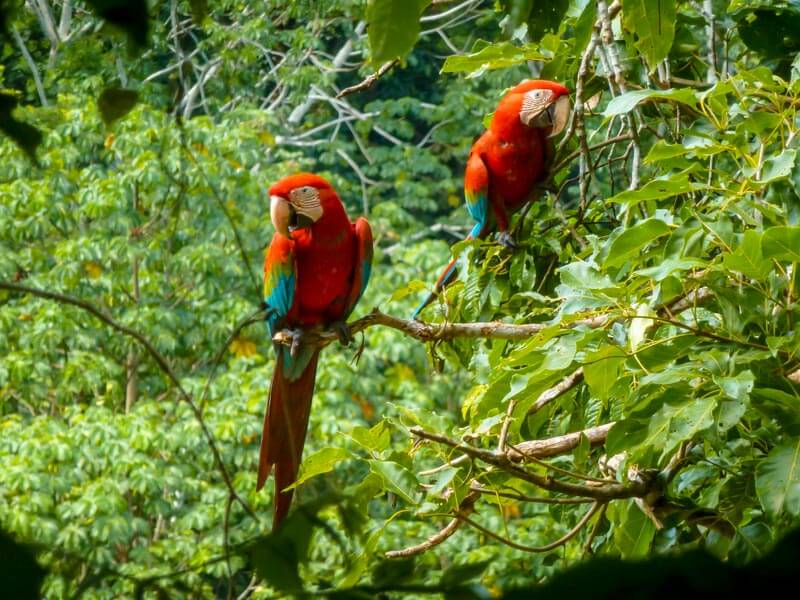
Madidi National Park, located in the northwest of the La Paz Department, covers an extensive area across the municipalities of Ixiamas, San Buenaventura, and Apolo. This Amazonian region is characterized by its varied geography, ranging from lowland forests to mountains, and its different ecological zones, including well-drained soils and seasonally flooded areas. Numerous rivers, such as the Madidi River, run through the park, playing a crucial role in maintaining the balance between aquatic and terrestrial ecosystems and supporting its rich biodiversity.
The park is home to various types of forests, including lowland rainforests, montane forests, and várzea forests. Its flora is extraordinarily diverse, with more than 800 tree species and abundant lianas and shrubs. The fauna is equally impressive, hosting a wide array of mammals, birds, reptiles, and insects, many of which are endangered or endemic. This biological wealth is not only vital for the preservation of local ecosystems but also has global significance in maintaining ecological processes essential for the planet’s balance.
Madidi’s importance extends beyond the local and regional levels, playing a crucial role in global biodiversity conservation and climate change mitigation. The park’s contributions to ecotourism and scientific research support the local economy while promoting sustainable development in nearby communities. Moreover, Madidi provides a vital platform for studying Amazonian ecosystems, offering valuable insights for tropical forest conservation worldwide. Protecting this ecosystem is essential for ensuring climate stability and global environmental health.
However, Madidi National Park faces serious threats from increasing illegal mining activity. In March 2023, reports surfaced of an invasion by illegal miners, accompanied by armed bodyguards, who threatened park personnel with firearms and brought heavy machinery for gold exploitation and deforestation. This incident not only violates environmental and park protection laws but also exposes park workers to significant physical risks and threats in their conservation efforts.
Tensions between park authorities and illegal miners have escalated, as evidenced by the verbal assault and gun threat experienced by Zone B Protection Chief, Raúl Santa Cruz, on March 31, 2023. This unprecedented level of hostility and violence endangers both park staff and the ecosystem’s integrity. The miners’ actions, supported by armed bodyguards, represent a direct and serious threat to the park’s conservation.
The involvement of foreign capital in illegal mining, as previous investigations have shown, has exacerbated the park’s exploitation. The collaboration between these activities and illegal local cooperatives highlights the magnitude and complexity of the problem, putting additional pressure on Madidi’s biodiversity. The combination of illegal mining, direct threats, and violence poses a high risk to the park’s conservation, endangering one of the planet’s most biodiverse ecosystems and its unique natural resources.
Given the park’s critical importance, it is essential to implement robust strategies for its continuous conservation and protection. Madidi’s biological wealth is an invaluable heritage not only for Bolivia but also for humanity, providing vital ecosystem services and contributing to global climate balance. To prevent the park from becoming a stagnant or underutilized area, promoting responsible and sustainable ecotourism as an economically viable alternative to extractive practices threatening its integrity is necessary.
To achieve these goals, it is crucial to strengthen the park’s management plan by imposing stricter restrictions on miners’ entry and other extractive activities. Surrounding municipalities must take an active role in preserving the park and promoting diverse ecotourism, including nature, cultural, hiking, and scientific tourism.
Raising awareness among the Bolivian population about the importance of protecting this invaluable resource is fundamental. The ethics of caring for our environment and valuing the benefits the park provides for quality of life and general well-being must be a priority, especially in the face of destructive interests that seek to exploit its wealth without considering long-term consequences.
Por Abraham Coaquira Huancollo, El Diario:
El Parque Nacional Madidi, ubicado en el noroeste del Departamento de La Paz, abarca una extensa área a lo largo de los municipios de Ixiamas, San Buenaventura y Apolo. Esta región amazónica destaca por su variada geografía, que incluye desde bosques de tierras bajas hasta montañas, y sus diferentes pisos ecológicos, que van desde áreas de suelos bien drenados hasta zonas de inundación estacional. Los numerosos ríos que atraviesan el parque, como el Río Madidi, son esenciales para el equilibrio de los ecosistemas acuáticos y terrestres, contribuyendo a la sostenibilidad de su rica biodiversidad.
Dentro del parque, se encuentran diversos tipos de bosques, como el bosque húmedo de tierras bajas, el bosque montano y el bosque de várzea. La flora es extraordinariamente diversa, con más de 800 especies de árboles, y una abundante vegetación de lianas y arbustos. La fauna también es notablemente rica, albergando una amplia gama de mamíferos, aves, reptiles e insectos, muchos de los cuales están en peligro de extinción o son endémicos. Esta riqueza biológica no solo es crucial para la preservación de los ecosistemas locales, sino que también tiene una importancia global, al mantener procesos ecológicos vitales para el equilibrio del planeta.
La relevancia del parque va más allá del ámbito local y regional, desempeñando un papel crucial en la conservación global de la biodiversidad y en la mitigación del cambio climático. Los beneficios derivados del ecoturismo y de las investigaciones científicas realizadas en Madidi no solo apoyan la economía local, sino que también fomentan un desarrollo sostenible en las comunidades cercanas. Además, el parque ofrece una plataforma esencial para el estudio de los ecosistemas amazónicos, proporcionando información valiosa para la conservación de los bosques tropicales a nivel mundial. La protección de este ecosistema es fundamental para asegurar la estabilidad climática y la salud ambiental global.
Sin embargo, el Parque Nacional Madidi enfrenta serios riesgos debido a la creciente actividad minera ilegal. En marzo de 2023, se reportó una invasión por parte de mineros ilegales, quienes, acompañados por guardaespaldas armados, amenazaron al personal del parque con armas de fuego y llevaron maquinaria pesada para la explotación de oro y deforestación. Este incidente no solo constituye una violación de las leyes ambientales y de protección del área, sino que también expone a los trabajadores del parque a graves riesgos físicos y amenazas por su labor en la conservación.
La tensión entre las autoridades del parque y los mineros ilegales ha escalado, como lo demuestra el ataque verbal y la amenaza con un arma de fuego sufrida por el Jefe de Protección de la Zona B, Raúl Santa Cruz, el 31 de marzo de 2023. Este nivel de hostilidad y violencia sin precedentes pone en peligro tanto la seguridad del personal del parque como la integridad del ecosistema. Las acciones de los mineros ilegales, respaldadas por guardaespaldas armados, reflejan una amenaza directa y grave a la conservación del área.
La presencia de capitales extranjeros en la minería ilegal, como se ha evidenciado en investigaciones previas, ha agravado la explotación del parque. La colaboración entre estas actividades y cooperativas locales ilegales subraya la magnitud y complejidad del problema, ejerciendo una presión adicional sobre la biodiversidad del Madidi. La combinación de minería ilegal, amenazas directas y violencia representa un riesgo alto para la conservación del parque, comprometiendo uno de los ecosistemas más biodiversos del planeta y sus recursos naturales únicos.
Dada la importancia crítica del parque, es esencial implementar estrategias robustas para su conservación y protección continua. La riqueza biológica de Madidi no solo es un patrimonio invaluable para Bolivia, sino también para la humanidad en su conjunto, proporcionando servicios ecosistémicos vitales y contribuyendo al equilibrio climático global. Para evitar que el parque se convierta en un área estancada o sin uso, es necesario promover un ecoturismo responsable y sostenible que ofrezca una alternativa económica viable y dinámica frente a las prácticas extractivistas que amenazan su integridad.
Para alcanzar estos objetivos, es crucial fortalecer el plan de manejo del parque, imponiendo restricciones más severas sobre el ingreso de mineros y otras actividades extractivas. Los municipios circundantes deben asumir una responsabilidad activa en la preservación del parque y en el impulso de un ecoturismo diverso, que incluya turismo de naturaleza, cultural, de senderismo y científico.
Hacer un llamado a la población boliviana para tomar conciencia sobre la importancia de proteger este recurso invaluable es fundamental. La ética de cuidar nuestro entorno y valorar los beneficios que el parque ofrece para la calidad de vida y el bienestar general debe ser una prioridad, especialmente frente a los intereses destructivos que buscan aprovecharse de su riqueza sin considerar las consecuencias a largo plazo.
https://www.eldiario.net/portal/2024/09/09/parque-nacional-madidi-nuestro-hogar-en-riesgo/

 Bolivian Thoughts | Pensamientos Bolivianos (Bilingual/Bilingüe)
Thank you SO much for your interesting comment, and that is also an important incentive to have our scientists have the opportunity to study them.