
By Hortencia Rivera, Eju.tv:
In response to the rise of the parallel dollar, experts suggest restructuring the economic model and cutting fiscal spending
A report from EFE shows that exchange houses are already offering the dollar at Bs 12.60, leading various analysts to express opinions and consider the urgent need for a summit to adopt measures.
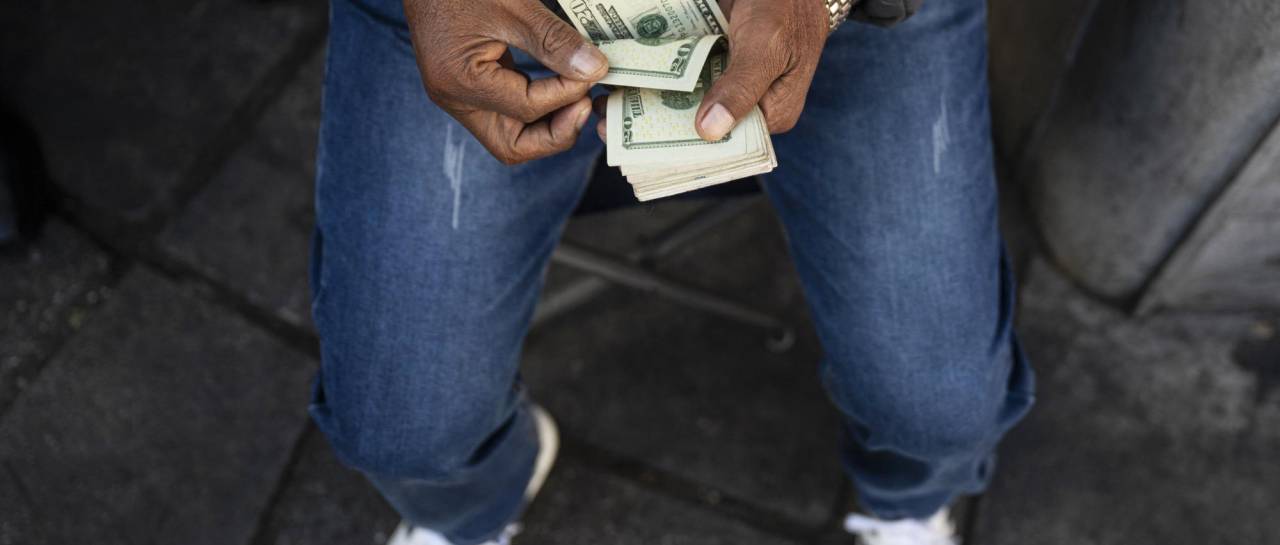
Source: Unitel
In light of the rise of the parallel dollar being recorded in different parts of the country, various voices have analyzed the situation, agreeing that urgent measures must be taken to restructure the economic model and reduce fiscal spending, as well as to convene a summit to address short, medium, and long-term alternatives.
According to a report from the EFE agency, during a tour of several exchange houses in downtown La Paz, it was found that while these show signs with the official exchange rate, the dollar is being sold for up to Bs 12.60, although those in charge claim they do not have the U.S. currency to sell.
The president of the College of Economists of Santa Cruz, Claudia Pacheco, even warned that the parallel exchange rate has exceeded the official exchange rate (Bs 6.86 – Bs 6.96) by more than 100%, which means a greater loss of purchasing power for all citizens and an increase in final prices. She, therefore, considered it necessary to analyze the economic model.
“The alternatives involve short, medium, and long-term decisions. We know that medium and long-term decisions may not be taken into account or decided upon at this time because we are facing an election year. The decisions that have been made, such as the agreement reached with entrepreneurs, have not been sufficient, nor have they been entirely clear,” Pacheco stated.
What Measures to Take?
Pacheco emphasized that the state economic model no longer aligns with reality, so an urgent measure involves restructuring it “because we need it to adapt to the new reality.”
In this vein, she also suggests other measures such as cutting fiscal spending, using biotechnology, and updating legislation to provide legal security assurances and attract investment. This issue was highlighted by Brazil’s president, Lula da Silva, during his recent visit to Bolivia, as Pacheco recalled.
Economist Gonzalo Chávez also agreed on the need for fiscal adjustments and a return to a flexible exchange rate to improve the country’s economy.
“The government needs a more comprehensive vision, not only to obtain foreign currency but also to make fiscal adjustments, implement constructive monetary policy, and, of course, I believe it is time to return to a flexible exchange rate,” he emphasized.
While the president of the National Association of Economists, Jorge Akamine, also suggested convening a summit due to the rise in the dollar, noting that it has worsened due to the blockades and fuel shortages.
Akamine emphasized that the government must send messages accompanied by actions, as effective solutions have not yet been implemented to address the current situation in the country, making it urgent to take measures to stabilize macroeconomic variables.
“It will become increasingly difficult to solve the problems, and the effect will directly lead to rising prices and difficulties in foreign trade,” said the executive.
Por Hortencia Rivera, Eju.tv:
Ante alza del dólar paralelo, expertos sugieren reestructurar el modelo económico y el recorte del gasto fiscal
Un reporte de EFE, refleja que casas de cambio ya ofrecen el dólar en Bs 12,60, por lo que diferentes analistas emitieron criterios y consideran la necesidad urgente de una cumbre para asumir medidas.
Fuente: Unitel
Ante alza del dólar paralelo que se registra en diferentes puntos del país, diferentes voces hicieron una análisis de la situación coincidiendo en que se deben asumir medidas urgentes que contemplen reestructurar el modelo económico y el recorte del gasto fiscal, así como convocar a una cumbre donde se aborden alternativas de corto, mediano y largo plazo.
Según un reporte de la agencia EFE, en un recorrido por varias casas de cambio del centro de La Paz, se constató que si bien estas muestran letreros con el tipo de cambio oficial, la venta del dólar está hasta en Bs 12,60, aunque los responsables sostienen que no tienen el billete norteamericano para comercializar.
La presidenta del Colegio de Economistas de Santa Cruz, Claudia Pacheco, incluso advirtió que el tipo de cambio paralelo ha sobrepasado en más de un 100% lo que es el tipo de cambio oficial (Bs 6,86 – Bs 6,96), lo que significa una pérdida mayor del poder adquisitivo para todos los ciudadanos y un aumento en los precios finales, por lo que consideró la necesidad de analizar el modelo económico.
“Las alternativas van por decisiones de corto, mediano y largo plazo. Sabemos que las de mediano y largo plazo quizás no vayan a ser tomadas en cuenta o no se vayan a decidir en este momento porque estamos frente a un año electoral. Las decisiones que se han tomado como el acuerdo que se ha realizado con los empresarios no han sido suficientes, ni han sido del todo claras”, sostuvo Pacheco.
¿Qué medidas asumir?
Pacheco remarcó que el modelo económico estatal ya no condice con la realidad, por lo que una medida urgente pasa por reestructurarlo “porque necesitamos que se adapte a la nueva realidad”.
En esta línea también sugiere otras medidas como recorte del gasto fiscal, el uso de biotecnología y la actualización de la legislación y así dar certezas en cuanto a seguridad jurídica para atraer las inversiones, tema que fue puesto en manifiesto por el mismo presidente de Brasil, Lula da Silva, que lo mencionó en su reciente visita a Bolivia, según recordó Pacheco.
A su turno, el economista Gonzalo Chávez coincidió en la necesidad de realizar ajustes fiscales y volver al tipo de cambio flexible para mejorar la economía en el país.
“El Gobierno requiere una visión más integral, no solamente de conseguir divisas, sino de hacer ajustes fiscales, de hacer política monetaria constructiva y, por supuesto, creo que es el momento de volver a un tipo de cambio flexible”, remarcó.
Mientras que el presidente del Colegio Nacional de Economistas, Jorge Akamine, también sugirió convocar a una cumbre debido a la subida del dólar, observando que se acentuó debido a los bloqueos y la escasez de carburantes.
Akamine enfatizó que el Gobierno debe enviar mensajes acompañados con hechos, ya que hasta ahora no se reflejan soluciones efectivas ante la coyuntura que atraviesa el país, por lo que urge asumir medidas para estabilizar las variables macroeconómicas.
“Cada vez se va a hacer más difícil solucionar los problemas y el efecto va directamente al incremento de precios y la dificultad en el comercio exterior”, manifestó el ejecutivo.

 Bolivian Thoughts | Pensamientos Bolivianos (Bilingual/Bilingüe)