
El Diario:
With authorization from AJAM
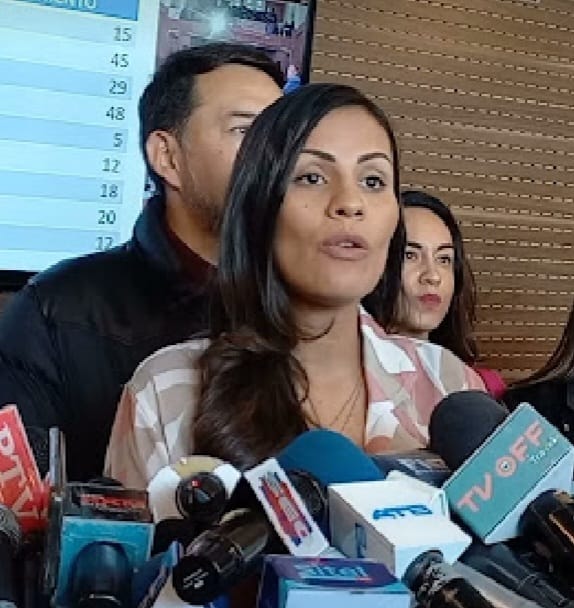
National deputy for the Creemos group, María René Álvarez, reported that the Administrative Jurisdictional Mining Authority (AJAM) authorized mining activity in the municipality of Roboré, Chiquitos province of the department of Santa Cruz, which affects the indigenous communities of Aguas Calientes, Yororobá, and Quitunuquiña.
The legislator explained that the entity, under the Ministry of Mining and Metallurgy, approved the prospecting and exploration license requested by the company Walfremar SRL on August 8, 2023, to operate on 84 grids that not only enter the three communities but also affect the Tucabaca Natural Heritage Conservation Unit (UCPN).
“We are facing a new attack on our natural resources and indigenous peoples because these concessions affect the Tucabaca UCPN, which has important water resources at risk and a water intake that supplies Aguas Calientes, which could be contaminated, in addition to threatening community tourism in Yororobá,” she stated.
In this regard, Álvarez submitted a Written Report Request to the Ministry of Mining and Metallurgy to detail the parameters under which mining activity is being promoted in that area, as the company received a three-month period from AJAM to present its “work plan and financial budget,” allowing intervention in that region.
Additionally, a Communication Minute Project was activated before the Territorial Organization and Autonomies Commission of the Chamber of Deputies for the mayor of Roboré, José Eduardo Díaz, to enforce the environmental regulations in that municipality and respect the decisions of the indigenous communities that previously rejected the presence of mining, as in the case of the multinational company Montecarlo SA.
The minute asks the mayor to “manage precautionary actions against actions or omissions by individuals or legal entities intending to carry out mining activities around the areas of the communities of Aguas Calientes and Yororobá, adjacent to the Tucabaca valley, safeguarding the water basins, thus prioritizing the fulfillment of fundamental rights, life systems, environmental protection, and access to water resources.”
The deputy emphasized that the rivers flowing from Tucabaca and Aguas Calientes discharge into the Otuquis Wetlands, a vital part of the Bolivian Pantanal, and open-pit mineral extraction activity would cause irreparable environmental damage.
El Diario:
Con autorización de la AJAM
La diputada nacional por la agrupación Creemos, María René Álvarez, denunció que la Autoridad Jurisdiccional Administrativa Minera (Ajam) autorizó la actividad minera en el municipio de Roboré, provincia Chiquitos del departamento de Santa Cruz, misma que afecta a comunidades indígenas de Aguas Calientes, Yororobá y Quitunuquiña.
La legisladora explicó que la entidad dependiente del Ministerio de Minería y Metalurgia dio paso a la solicitud de licencia de prospección y exploración que hizo la empresa Walfremar SRL en fecha 8 de agosto de 2023, para actuar sobre 84 cuadrículas que no solo llegan a ingresar a las tres comunidades, sino que afectan a la Unidad de Conservación de Patrimonio Natural (UCPN) de Tucabaca.
“Estamos ante un nuevo atentado contra nuestros recursos naturales y pueblos indígenas, porque estas concesiones afectan a la UCPN de Tucabaca que tiene importantes recursos hídricos comprometidos y una toma de agua que abastece a Aguas Calientes que puede ser contaminada, además de amenazar al turismo comunitario en Yororobá”, manifestó.
En ese sentido, Álvarez remitió una Petición de Informe Escrito al Ministerio de Minería y Metalurgia para que detalle bajo qué parámetros se pretende fomentar la actividad minera en esa zona, pues la empresa obtuvo de la AJAM un plazo de tres meses para presentar su “plan de trabajo y presupuesto financiero”, dando paso a la intervención en esa región.
Asimismo, se activó ante la Comisión de Organización Territorial y Autonomías de la Cámara de Diputados, un proyecto de Minuta de Comunicación para el alcalde de Roboré, José Eduardo Díaz, para que aplique las normas ambientales vigentes en ese municipio, además de respetar las decisiones de las comunidades indígenas que anteriormente ya rechazaron la presencia minera, con el caso de la empresa transnacional Montecarlo SA.
La minuta pide al alcalde “gestionar acciones precautorias frente a acciones u omisiones de personas naturales o jurídicas que pretendan realizar actividades mineras alrededor de las áreas de las comunidades de Aguas Calientes y Yororobá, colindantes al valle de Tucabaca, salvaguardando las cuencas hídricas, priorizando así el cumplimiento de los derechos fundamentales, sistemas de vida, protección del medio ambiente y del acceso a los recursos hídricos”.
La diputada remarcó que los ríos que bajan de Tucabaca y Aguas Calientes desembocan en los Bañados de Otuquis, parte vital del pantanal boliviano, y una actividad de extracción de minerales a cielo abierto generaría un daño ambiental irreparable.
https://www.eldiario.net/portal/2024/07/17/denuncian-actividad-minera-en-comunidades-indigenas/

 Bolivian Thoughts | Pensamientos Bolivianos (Bilingual/Bilingüe)