
- Experts from professional associations in Tarija and Santa Cruz warn that Bolivia will eventually have to pay a higher cost and that a monetary policy is urgently needed to reverse or stabilize the country’s economic situation.
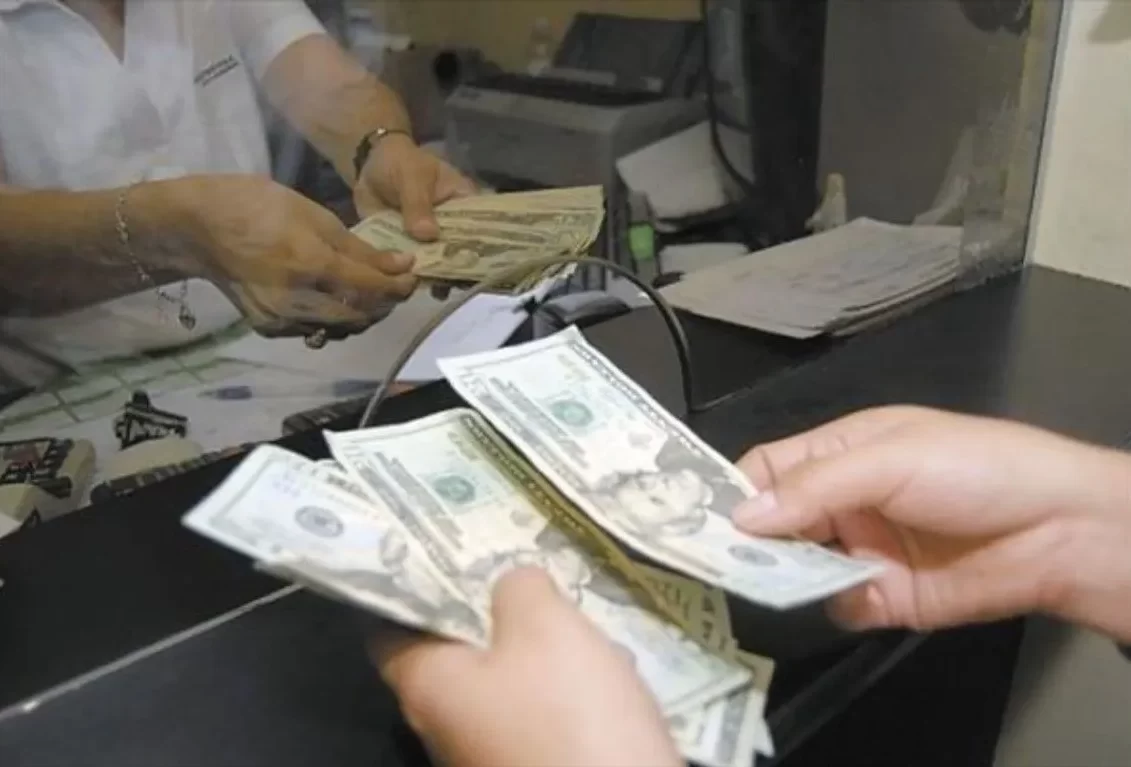
The price of the dollar is rising, causing global distress, so economists warn that this situation will increase external debt and imports for several countries, including Bolivia.
Currently, according to the finance specialized site Bloomberg Line, countries burdened with external debt remain at risk, with Maldives and Bolivia particularly vulnerable if the strength of the dollar persists.
The president of the College of Economists of Tarija, Fernando Romero, stated that Bolivia will eventually have to pay a higher cost by losing purchasing power, as there is already an increase in prices of some products.
He also argued that there is already a devaluation of the currency due to national and imported inflation, due to the shortage of dollars.
Meanwhile, economic analyst and former director of the Central Bank, Gabriel Espinoza, pointed out that to date, he is not aware of any unconventional policy applied by the Central Bank, the only one registered was in 2020, during the transitional government.
In addition, Espinoza believes that the Government is mistaken in its definitions and this seems to be due to the low technical level of the personnel working at the Central Bank.
On the other hand, the president of the College of Economists of Santa Cruz, Claudia Pacheco, warns that the rise in the dollar in the global market will increase external debt, which must be paid in dollars, and will also affect the price of imports, directly impacting the population.
“To Bolivia, which currently has a structural problem due to the lack of dollars, it will be more expensive to obtain this currency to pay off the debt,” said the economist to Red Uno.
Pacheco stated that the appreciation of the dollar will complicate the situation in Bolivia, “unless the Government takes on some monetary policies that can alleviate the situation.” (EL DIARIO/Red Uno)
- Expertos de entidades colegiadas de Tarija y Santa Cruz advierten que Bolivia en algún momento tendrá que pagar un mayor costo y que urge una política monetaria que revierta o estabilice la situación económica en el país.
El precio del dólar repunta y genera angustia mundial, por lo que los economistas advierten que esta situación encarecerá la deuda externa y las importaciones de varios países, entre ellos Bolivia.
En la actualidad, según el sitio especializado en finanzas Bloomberg Línea, los países sobrecargados de deuda externa continúan en situación de riesgo, con Maldivas y Bolivia, particularmente vulnerables en caso de que persista la solidez del dólar.
El presidente del Colegio de Economistas de Tarija, Fernando Romero, manifestó que Bolivia en algún momento tendrá que pagar un mayor costo al perder el poder adquisitivo, pues ya se registra incremento de precios de algunos productos.
Asimismo, sostuvo que ya existe una devaluación de la moneda por la inflación nacional e importada, debido a la escasez de dólares.
Entretanto, el analista económico y exdirector del Ente Emisor Gabriel Espinoza señaló que a la fecha no conoce una política no convencional aplicada por el BCB, la única registrada fue en 2020, en el gobierno de transición.
Además, Espinoza cree que el Gobierno está equivocado en las definiciones y esto al parecer se debe al bajo nivel técnico del personal que trabaja en el BCB.
Por otro lado, la presidenta del Colegio de Economías de Santa Cruz, Claudia Pacheco, advierte que el repunte del dólar en el mercado mundial, encarecerá la deuda externa, que debe ser pagada en dólares, y también incidirá en el precio de las importaciones, afectando directamente a la población.
“A Bolivia, que actualmente tiene un problema estructural por la falta de dólares, le será más caro obtener esta divisa para pagar la deuda”, dijo la economista a Red Uno.
Pacheco aseguró que la revalorización del dólar, complicará el panorama en Bolivia, “a no ser que el Gobierno asuma algunas políticas monetarias que pueda paliar la situación”. (EL DIARIO/Red Uno)

 Bolivian Thoughts | Pensamientos Bolivianos (Bilingual/Bilingüe)