Editorial, Los Tiempos:
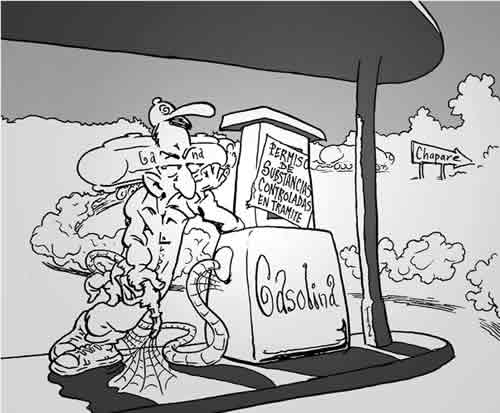
The volume of gas reserves in Bolivia is a mystery, at least for those who are not part of the state instances of the hydrocarbon sector.
This lack of information violates Law 3740 of Sustainable Development of the Hydrocarbon Sector, enacted in August 2007, whose article 7 establishes that “YPFB, until March 31 of each year, must publish the level of certified reserves existing in the country as of January 1 of that year (…)”.
Law 3740 establishes that YPFB, “through international bidding, must contract specialized companies in the certification of hydrocarbon reserves, to certify the effective level of said reserves in the country.” And it also authorizes the state oil company to “take all necessary actions that allow it to carry out the certification of hydrocarbon reserves on its own behalf (…)”.
The mystery surrounding our certified gas reserves is not new, “in August 2018, the Canadian firm Sproule International Limited made the last report on Bolivian reserves which reached 10.7 trillion cubic feet (TCF) of proven natural gas reserves with a duration of 14.7 years, however, official reports establish that in that year they reached 8.95 TCF,” Los Tiempos reported just over a month ago, reproducing a wire from the EFE news agency.
“We had reserve certification in 2008, in 2013, in 2017, in 2018 and now this year we are going to have a new reserve certification,” reported the president of YPFB in February 2023.
And last March 17, the same authority assured, regarding certifications, that “in these days we should already be giving the results. We are going to have the result of December 2022, and December 2023. Already for the first week of April we should have the data on the reserves of 2023.”
If this announcement is fulfilled, it will surely confirm what the president of the State said in August of last year, when he stated that since 2014 “there has been a decline in production (of gas) which unfortunately has been falling until hitting rock bottom” and that the country “does not have the capacity to produce more”.
And yesterday, the Minister of Hydrocarbons and Energy stated that, in past administrations, the data on gas reserves were “inflated”, for which “some people” must give explanations.
It seems evident that the reserves of this resource are scarce, while domestic consumption increases. In the first half of last year, it grew by 10% compared to a similar period in 2022, according to YPFB’s report.
Editorial, Los Tiempos:
El volumen de las reservas de gas en Bolivia es un misterio, al menos para quienes no forman parte de las instancias estatales del sector hidrocarburos.
Esa ausencia de información infringe la Ley 3740 de Desarrollo Sostenible del Sector de Hidrocarburos, promulgada en agosto de 2007, cuyo artículo 7 establece que “YPFB, hasta el 31 de marzo de cada año, deberá publicar el nivel de reservas certificadas existentes en el país al 1º de enero de dicho año (…)”.
La Ley 3740 establece que YPFB, “mediante licitación internacional, deberá contratar empresas especializadas en la certificación de reservas de hidrocarburos, para certificar el nivel efectivo de dichas reservas en el país”. Y también autoriza a la estatal petrolera a “realizar todas las acciones necesarias que le permitan por cuenta propia efectuar la certificación de reservas de hidrocarburos (…)”.
El misterio acerca de nuestras reservas certificadas de gas no es nuevo, “en agosto de 2018, la firma canadiense Sproule International Limited realizó el último reporte sobre las reservas bolivianas que alcanzaron 10,7 trillones de pies cúbicos (TCF) de reservas probadas de gas natural con una duración de 14,7 años, sin embargo, informes oficiales establecen que ese año llegaron a los 8,95 TCF”, publicaba Los Tiempos hace poco más de un mes, reproduciendo un cable de la agencia de noticias EFE.
“Tuvimos certificación de reservas en 2008, en 2013, en 2017, en 2018 y ahora este año vamos a tener una nueva certificación de reservas”, informaba, en febrero de 2023, el presidente de YPFB.
Y el 17 de marzo último, la misma autoridad aseguraba, respecto de las certificaciones, que “ya en estos días deberíamos estar dando los resultados. Vamos a tener el resultado de diciembre del 2022, y de diciembre del 2023. Ya para la primera semana de abril deberíamos estar con (los datos) las reservas del 2023”.
De cumplirse ese anuncio, seguramente ratificará lo dicho por el presidente del Estado en agosto del año pasado, cuando declaró que desde 2014 “hay una declinación en la producción (de gas) que lamentablemente ha ido cayendo hasta tocar fondo” y que el país “no tiene capacidad para producir más”.
Y ayer, el ministro de Hidrocarburos y Energías manifestó que, en gestiones pasadas, se “inflaron” los datos sobre las reservas de gas, por lo cual “algunas personas” deben dar explicaciones.
Parece evidente que las reservas de ese recurso son escasas, mientras el consumo interno se incrementa. El primer semestre del año pasado creció en un 10% respecto de similar periodo de 2022, según el reporte de YPFB.
https://www.lostiempos.com/actualidad/opinion/20240404/editorial/cuanto-gas-natural-nos-queda-0


Leave a comment