
- The Government’s persistence in normalizing a form of corruption like “influence peddling” is questioned, until this practice becomes common when discussing public administration.
After the appointment of Alejandro Santos Laura as the new Minister of Mining and Metallurgy was announced, Cecilia Requena, senator for Comunidad Ciudadana (CC), described it as “tragic” that the Government continues to neglect its duty to preserve protected areas, indigenous territories, forests, and natural resources by handing over this government portfolio to the mining cooperative sector, which is contrary to the country’s interests and environmental protection.
Through her social media channels, the lawmaker representing La Paz lamented that the MAS government has set aside the defense of protected areas by handing over the Ministry of Mining to a representative of the mining cooperative sector, which represents everything opposite to environmental preservation.
“Tragic. President Arce continues to neglect his duty and the common interest to defend protected areas, indigenous territories, water, and forests. He appoints public positions for the benefit of private businesses, not the country. In this case, the interests are opposed,” Requena questioned.
According to the opposition assemblywoman, the Government’s persistence in normalizing a form of corruption like “influence peddling” is questionable, until this practice becomes common when discussing public administration and the so-called “job distribution” in favor of groups loyal to the blue party.
Regarding the new authority in the Mining Ministry, Requena warned about the danger of having the person in charge of preserving protected areas in the country be a representative of the sector that causes the most damage through extractive activities.
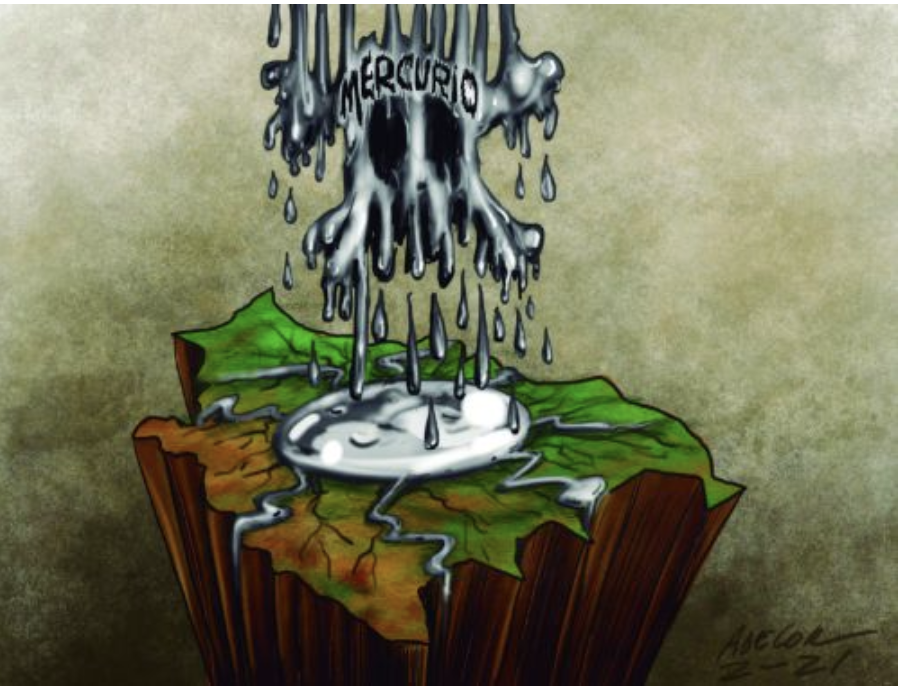
“The sector from which the new Minister of Mining comes represents an agenda opposite to the common good. Ultimately, it is about private businesses with systemic and devastating consequences for life, such as river pollution with mercury, among others,” she indicated.
In that sense, she anticipated that from the Senate Committee on Land and Territory, Natural Resources, and the Environment, a meeting will be requested with the new authority to demand that all voices be heard regarding the “chaos caused by uncontrolled mining, which causes destruction, pollution, and violence in so many communities in Bolivia.”
On this issue, Deputy María René Álvarez questioned the recent changes in the ministerial cabinet, especially in the case of the Mining and Environment portfolios, stating that they represent the continuity of the predatory and extractivist model that damages the environment and the national economy.
“Appointing a cooperative member as minister is an act of corruption because Mr. Santos and his Fencomin group have direct interests in the Government’s mining policies,” she expressed.
For Álvarez, the cooperative member will promote predatory policies, such as entry into the country’s protected areas, for the benefit of that mining sector and to the detriment of Bolivia’s natural resources.
“Just as it happened with the Gold Law, these groups only seek particular benefits for their sector and do not think about the damage they cause to the rest of the country, but we warn them that we will not allow mining to enter protected areas and natural reserves,” anticipated the opposition lawmaker.
Regarding the new head of the Ministry of Environment and Water, Álvarez emphasized that the constant changes in that office demonstrate the Government’s lack of commitment to environmental issues. “This Ministry has not managed to fulfill its role of safeguarding the country’s natural resources and only serves as an employment agency for social movements, which seek benefits in contracts and projects,” she stated.
The new Minister of Mining, Alejandro Santos Laura, is a well-known representative of the cooperative mining sector. In 2013, he assumed the presidency of Fencomin. He replaces Marcelino Quispe, a Mining Engineering professional from UTO, who was CEO of Comibol and general manager of the Huanuni mining company.
- Cuestionan la obstinación del Gobierno en normalizar una forma de corrupción como el “tráfico de influencias”, hasta conseguir que esta práctica sea común cuando se habla de la administración pública.
Luego de conocerse la designación de Alejandro Santos Laura, como nuevo ministro de Minería y Metalurgia, Cecilia Requena, senadora por Comunidad Ciudadana (CC), calificó como “trágico” que el Gobierno continúe faltando a su deber de preservar áreas protegidas, territorios indígenas, bosques y recursos naturales, entregando esta cartera de Estado al cooperativismo minero, sector contrario a los intereses del país y la defensa del medio ambiente.
Desde sus redes sociales, la legisladora representante de La Paz, lamentó que el gobierno del MAS haya dejado de lado la defensa de las áreas protegidas entregando el Ministerio de Minería a un representante del cooperativismo minero, siendo este un sector que representa todo lo contrario a la preservación del medio ambiente.
“Trágico. El presidente Arce sigue faltando a su deber y al interés común para defender las áreas protegidas, territorios indígenas, el agua, y los bosques. Entrega cargos públicos en beneficio de negocios privados, no del país. En este caso, los intereses son opuestos”, cuestionó Requena.
En criterio de la asambleísta de oposición es cuestionable la obstinación del Gobierno en normalizar una forma de corrupción como el “tráfico de influencias”, hasta conseguir que esta práctica sea común cuando se habla de la administración pública y los denominada “repartija de pegas” en favor de grupos leales al partido azul.
Con relación a la nueva autoridad en la cartera de Minería, Requena advirtió la peligrosidad de que el encargado de preservar las áreas protegidas en el país, sea un representante del sector que más daños genera a través de la actividad extractiva.
“El sector del que proviene el nuevo Ministro de Minería representa una agenda opuesta a la del bien común. Finalmente, se trata de negocios privados con consecuencias sistémicas y devastadoras para la vida, como la contaminación de ríos con mercurio, entre otras”, indicó.
En ese sentido, adelantó que desde la Comisión de Tierra y Territorio, Recursos Naturales y Medio Ambiente del Senado, se solicitará una reunión con la nueva autoridad, para exigir que se escuchen todas las voces en relación al “caos provocado por la minería descontrolada, misma que causa destrucción, contaminación y violencia en tantas comunidades de Bolivia”.
Sobre este tema, la diputada María René Álvarez cuestionó las recientes modificaciones en el gabinete ministerial, sobre todo en el caso de las carteras de Minería y de Medio Ambiente, señalando que representan la continuidad del modelo depredador y extractivista que daña al medio ambiente y la economía nacional.
“Designar a un cooperativista como ministro es un acto de corrupción, porque el señor Santos y su grupo de Fencomin tienen intereses directos con las políticas mineras del Gobierno”, expresó.
Para Álvarez, el cooperativista impulsará las políticas depredadoras, como el ingreso a las áreas protegidas del país, para beneficio de ese sector minero y en desmedro de los recursos naturales de Bolivia.
“Así como sucedió con la Ley del Oro, estos grupos solo buscan el beneficio particular para su sector y no piensan en el daño que provocan al resto del país, pero les advertimos que no vamos a permitir el ingreso de la minería a las áreas protegidas y reservas naturales”, anticipó la legisladora de oposición.
Sobre el nuevo titular del Ministerio de Medio Ambiente y Agua, Álvarez remarcó que los constantes cambios en ese despacho demuestran la falta de compromiso del Gobierno con la temática ambiental. “Este Ministerio no ha logrado cumplir con su labor de resguardo a los recursos naturales del país y solo sirve como una agencia de empleos para movimientos sociales, que buscan beneficios en contratos y proyectos”, sostuvo.
El nuevo titular de Minería, Alejandro Santos Laura, es un reconocido representante del sector de minero cooperativista, en 2013 asumió como presidente de Fencomin, reemplaza en el cargo a Marcelino Quispe, profesional en Ingeniería de Minas de la UTO, fue presidente ejecutivo de la Comibol y gerente general de la empresa minera Huanuni.

 Bolivian Thoughts | Pensamientos Bolivianos (Bilingual/Bilingüe)