By Gonzalo Chávez, Brujula Digital:
These are anxious times in Bolivia and around the world. Some people change their cellphone and expect their love life to improve the next day, with all their followers suddenly seeing them as a heartthrob. Others start a new diet on Monday and by Tuesday complain because they still do not have Cristiano Ronaldo’s abs or Belinda’s wasp waist.
Exchange-rate regimes work exactly the same way: we have had a flexible exchange rate for only 13 days, yet some are already predicting economic Armageddon while others proclaim the arrival of a monetary paradise. Neither is true. In economics, almost two weeks is barely the movie trailer. So take it easy. For libertarian types: relax, the saints are being carried along just fine.
To begin your Sunday with a pearl of economic wisdom, it is worth clarifying a small difference in terminology that actually reflects a major difference in concepts. When the Central Bank sets the price of the dollar, we speak of a devaluation or revaluation, because it is an administrative decision. But when the market determines the dollar’s price, as it does today, we should speak of a depreciation or appreciation of the currency. It may seem like a simple change of vocabulary, but it actually represents a complete change in the rules of the game.
Imagine a marketplace. If there are only 10 chickens and 100 buyers show up, the price of chicken will rise. Not because chickens have become more patriotic or more neoliberal, but because more people want to buy than are willing to sell. The same applies to dollars. Today, demand for foreign currency exceeds supply.
Importers need dollars to bring in goods, while exporters are not yet generating enough foreign-currency income to fully satisfy the market. The result is predictable: the dollar’s price gradually rises. That is what has happened in recent days, with the exchange rate moving from Bs 9.73 to Bs 10.40.
But markets do not function solely through numbers. Above all, they function through stories—or, in modern terminology, narratives.
Bolivia carries a very particular economic memory. Those who lived through hyperinflation remember that the dollar became almost an oracle: if it rose, every other price followed. Hyperinflation turned the dollar into the language of prices. As the Bolivian peso lost its functions as a store of value, medium of exchange, and unit of account, relative prices ceased to be expressed in the national currency and instead became indexed to the exchange rate.
This was not a whim of merchants or business owners; it was a survival mechanism. In an economy where money was melting away every day, pricing goods in dollars was the only way to preserve value and prevent inflation from destroying economic logic.
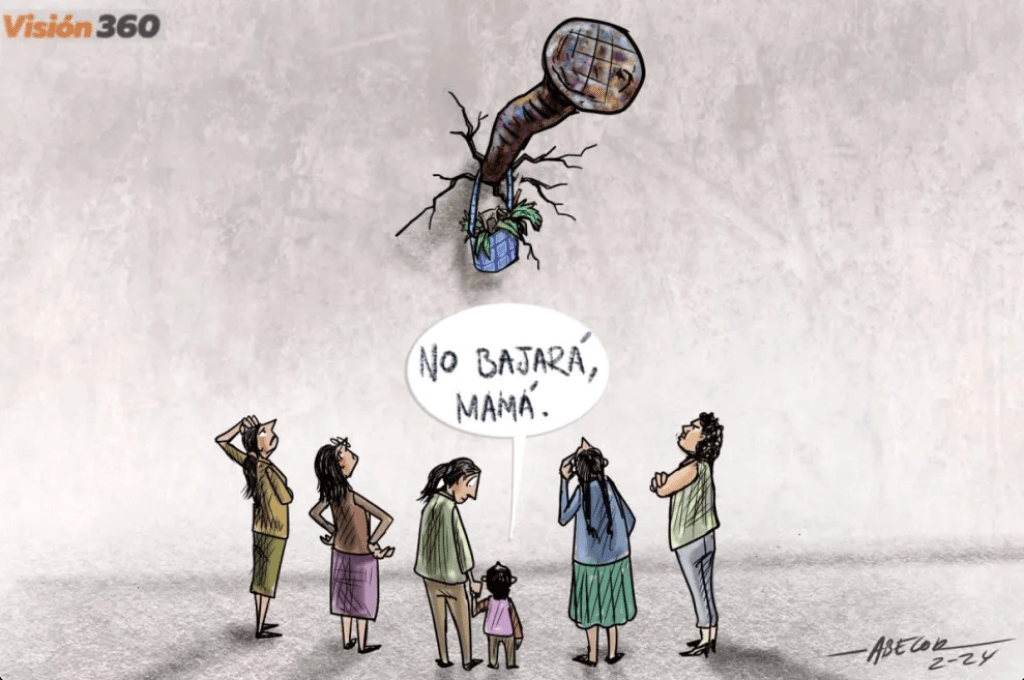
Later came the “Bolsín,” the older cousin of today’s flexible exchange-rate system, which moved according to supply and demand for dollars while remaining partially controlled by the Central Bank. Then came more than 15 years of a fixed exchange rate, and the country grew accustomed to thinking of the dollar as a statue—always standing in the same place. Now the statue has started walking again. And that makes people nervous. The flexible exchange-rate regime came into effect on June 29.
The problem now is that many economic agents—merchants, importers, companies, banks, and individuals—have once again begun treating the dollar as if it were the weather forecast. If the dollar rises by ten cents, some immediately feel compelled to raise prices, even for products that have never seen a dollar anywhere in their production chain, such as a haircut or goods produced entirely with domestic inputs. Economists call these non-tradable goods. Tradable goods, by contrast, are those that can be imported or exported.
Watching the exchange rate has become a national sport: before checking costs, people check the dollar quote. I must make a public complaint. No one greets my friend Nostra Chávez anymore. Everyone only asks for his exchange-rate forecast. That is psychological dollarization.
At this point, politics enters the picture. From day one, some sectors and supporters of the so-called “process of change” began repeating that devaluation explains all current inflation. It is an appealing explanation because it revives memories of hyperinflation and is easy to understand. Precisely for that reason, it is far too simplistic.
Inflation never has a single parent. Fiscal policy, monetary policy, expectations, road blockades, production costs, wage increases, fuel-price hikes, and many other factors all play a role.
While some groups promoted the simple narrative of “devaluation equals inflation,” the government chose the noble sport of remaining silent or speaking only sparingly. And in economics, as in politics, when you do not explain reality, someone else will explain it for you. The intellectual machinery of the MAS movement, in all its variations, began loudly proclaiming that small currency depreciations would inevitably lead to hyperinflation.
Yet the real debate is not about the dollar’s price itself, but what lies behind it. An exchange-rate regime does not work by decree; it works when the economy believes in it. For a flexible exchange-rate system to generate stability, the economy must be capable of producing more dollars through exports, investment, and loans. It also requires a manageable fiscal deficit, clear rules, strong institutions, and above all, confidence.
A great deal of confidence, credibility, reputation, and, especially, predictability regarding exchange-rate policy.
That is why it is difficult to build credibility when economic measures appear like episodes of a television series released without a schedule. One measure is announced one day, another three days later, and a third the following week.
This gradualist approach—better known as the homeopathic strategy, drop by drop—leaves fundamental questions unanswered. Will the Central Bank intervene if the dollar surges? How much fluctuation will it allow? What will serve as the new anchor against inflation? Markets do not demand omniscience; they demand rules.
In reality, Bolivia has not merely changed its exchange-rate regime. It is attempting to change the way businesses, families, and investors form expectations. That process does not take two weeks. It takes months, sometimes years.
For that reason, it is wise to lower the volume on both the prophets of disaster and the sellers of miracles. A flexible exchange rate will not solve Bolivia’s economic problems by itself, but neither will it automatically create them. It will be only as good—or as bad—as the broader economic policies that accompany it.
Because at the end of the day, the exchange rate is like a car’s dashboard. One can obsessively watch the speedometer every five seconds, but if the engine is failing, the problem was never the needle.
Gonzalo Chávez is an economist.
Por Gonzalo Chávez, Brujula Digital:
Son tiempos de mucha ansiedad en Bolivia y en el mundo. Hay personas que cambian de celular y esperan que al día siguiente su vida sentimental mejore y todos sus seguidores lo vean como mami o papi churro. Otros cambian de dieta un lunes y el martes ya reclaman porque no apareció el abdomen de Cristiano Ronaldo o la cintura de avispa de Belinda.
Con los regímenes cambiarios ocurre exactamente lo mismo: llevamos apenas 13 días de tipo de cambio flexible y ya hay quienes anuncian el Apocalipsis económico y otros la llegada del paraíso monetario. Ninguna de las dos cosas. En economía casi dos semanas son apenas el avance de la película. Así que calmalla, calmalla, santus fletanaca. Traducción para karas libertarios: con calma nomás que los santos son fletados.
Para comenzar su domingo con una perla de sabiduría económica conviene aclarar una pequeña diferencia de palabras que, en realidad, es una enorme diferencia de conceptos. Cuando el Banco Central fija el precio del dólar hablamos de devaluación o revaluación, porque es una decisión administrativa. Pero cuando el precio del dólar lo determina el mercado, como es en la actualidad, ya no corresponde hablar de devaluación, sino de depreciación o apreciación de la moneda. Parece un simple cambio de diccionario, pero en realidad estamos hablando de un cambio completo de las reglas del juego.
Imaginemos una feria. Si solo hay 10 pollos y aparecen 100 compradores, el precio del pollo subirá. No porque el pollo se haya vuelto más patriota o más neoliberal, sino porque hay más gente queriendo comprar que gente dispuesta a vender. Con el dólar ocurre exactamente lo mismo. Hoy la demanda de divisas es mayor que la oferta.
Los importadores necesitan dólares para traer mercancías, mientras que los exportadores todavía no generan suficientes ingresos para abastecer completamente ese mercado. El resultado es bastante predecible: el precio del dólar sube poco a poco como decía la vieja música de Julio Iglesias. Eso es lo que está ocurrió en estos días, el precio del dólar subió de Bs 9,73 Bs 10,40.
Pero los mercados no funcionan únicamente con números. Funcionan, sobre todo, con historias o, si nos ponemos modernos, con narrativas.Cabe recordar que Bolivia carga una memoria económica histórica muy particular. Quienes vivieron la hiperinflación recuerdan que el dólar era casi un oráculo: si subía, todos los precios subían detrás de él.
La hiperinflación convirtió al dólar en el idioma de los precios. Como el peso boliviano había perdido sus funciones de reserva de valor, medio de pago y unidad de cuenta, los precios relativos dejaron de expresarse en moneda nacional y comenzaron a indexarse al tipo de cambio.
No era un capricho de comerciantes ni empresarios; era un mecanismo de supervivencia. En una economía en la que la moneda se derretía cada día, fijar los precios en dólares era la única forma de preservar el valor de las transacciones y evitar que la inflación destruyera la lógica económica.Posteriormente vino el Bolsín, el primo mayor del tipo de cambio flexible actual, que se movía por la oferta y demanda de verdes, pero el Banco Central lo controlaba parcialmente. Después vinieron más de 15 años de tipo de cambio fijo y el país se acostumbró a pensar que el dólar era una estatua: siempre estaba en el mismo lugar. Ahora la estatua volvió a caminar. Y eso genera nerviosismo. El 29 de junio entró en vigencia el régimen cambiario flexible.
Y ahora el problema es que muchos agentes económicos (comerciantes, importadores, empresas, bancos y personas) comenzaron nuevamente a mirar el dólar como si fuera el pronóstico del clima. Si el dólar sube 10 centavos, algunos sienten el impulso irresistible de subir inmediatamente los precios, incluso de productos que jamás han visto un dólar en toda su cadena de producción, como es el corte firpo en una peluquería o la producción de un bien que no tiene insumos importados. Ambos son lo que técnicamente se conoce como no transables. Los productos transables son aquellos que pueden ser exportados e importados.
Ahora ver el tipo de cambio es una especie de deporte nacional: antes de revisar los costos, primero se revisa la cotización del dólar. Debo hacer una denuncia pública. A su seguro Nostra Chávez ya nadie lo saluda. Todo el mundo le pregunta su predicción del tipo de cambio. Es la dolarización psicológica.
En este punto aparece otro ingrediente: la política. Desde el primer día algunos sectores y los hermanos y compañeros del proceso de cambio comenzaron a repetir que la devaluación explica toda la inflación actual. Es una explicación sencilla, recupera el trauma de la hiperinflación y es fácil de entender, y es precisamente por eso demasiado simplista.
La inflación nunca tiene un solo padre o madre; Intervienen la política fiscal, la política monetaria, las expectativas, los bloqueos, los costos de producción, los aumentos de salarios, la subida de los combustibles y muchos otros factores.
Sin embargo, mientras unos construían una narrativa sencilla (devaluación igual a inflación); el Gobierno optó por el noble deporte de guardar silencio o hablar a cuentagotas. Y ya se sabe que en economía como en política cuando uno no explica la realidad alguien más la explica por uno. Y la mamocracia intelectual del masismo, en todas sus versiones, salió a gritar a los cuatro vientos: las minidevaluaciones generarán hiperinflación.
Pero el verdadero debate no está en el precio del dólar; está detrás del precio del dólar. Un régimen cambiario no funciona por decreto; funciona cuando la economía le cree. Para que un sistema de tipo de cambio flexible genere estabilidad necesita una economía capaz de producir más dólares mediante exportaciones, inversión y préstamos; un déficit fiscal bajo control, reglas claras, instituciones sólidas y, sobre todo, confianza.
Mucha confianza, credibilidad, reputación y, sobre todo, predictibilidad sobre el tipo de cambio.
Por eso resulta difícil construir credibilidad cuando las medidas económicas aparecen como capítulos de una serie de televisión estrenados sin calendario. Un día se anuncia una medida, tres días después otra, la semana siguiente una tercera.
Es la estrategia gradualista mejor conocida como la estrategia homeopática, gota a gota. Mientras tanto, nadie termina de responder preguntas elementales: ¿intervendrá el Banco Central si el dólar se dispara? ¿Hasta dónde dejará fluctuar el mercado? ¿Cuál será la nueva ancla contra la inflación? Los mercados no exigen omnisciencia; exigen reglas.
En realidad, Bolivia no solo cambió un régimen cambiario, está intentando cambiar la manera en que empresas, familias e inversionistas forman sus expectativas. Ese proceso no toma dos semanas, toma meses, a veces años.
Por eso conviene bajar un poco el volumen de los profetas del desastre… y también de los vendedores de milagros. Un tipo de cambio flexible no resolverá por sí solo los problemas económicos del país, pero tampoco los creará automáticamente. Será tan bueno o tan malo como la política económica que lo acompañe.
Porque, al final del día, el tipo de cambio es como el tablero del automóvil. Uno puede obsesionarse mirando el velocímetro cada cinco segundos, pero si el motor está fallando, el problema nunca es o fue la aguja.
Gonzalo Cháves es economista.
https://brujuladigital.net/opinion/el-dolar-salio-a-caminar-y-los-precios-a-correr
 Bolivian Thoughts | Pensamientos Bolivianos (Bilingual/Bilingüe)
Leave a comment