By Francesco Zaratti:
La Paz, 06/10/2026. This edition is aimed specifically at our international subscribers seeking to understand the crisis unfolding in Bolivia. La Paz, the seat of government, has been held hostage for 40 days by a protest movement that has crossed the line into violence and ruthlessness.
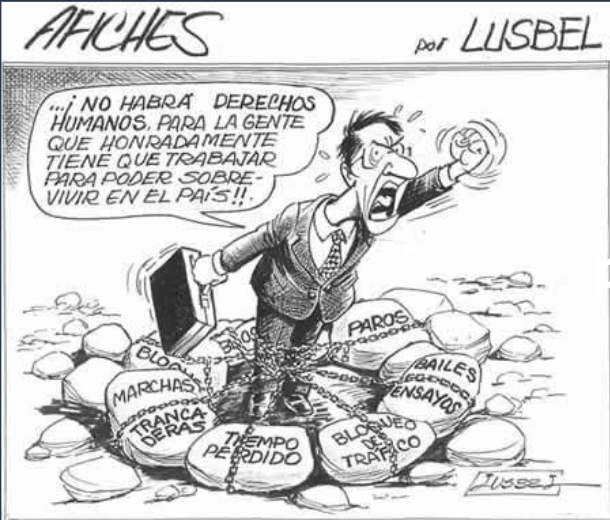
It all began with a general strike called by the Bolivian Workers’ Center (COB) over wage demands. However, the movement was quickly co-opted by peasant unions from the Altiplano (campesinos) and the Tropics (cocaleros), who established dozens of roadblocks on major highways. This strategy has paralyzed the distribution of essential goods—including medical supplies, food, and fuel—triggering a humanitarian crisis that has already claimed a dozen lives.
What started as a set of wage demands has escalated into a purely political agenda: the resignation of President Rodrigo Paz Pereira, who has been in office for seven months, is now the sole condition for lifting the blockades. This demand is, by any measure, a breach of constitutional order; in practice, it is an attempt to destabilize a legitimately elected government, regardless of the shortcomings of his administration.
The executive branch’s response has so far been one of containment. The government is betting on the exhaustion of the protesters and has attempted to negotiate “humanitarian corridors” to allow for the flow of supplies. Nevertheless, pressure is mounting for the authorities to use legitimate force and declare a state of emergency to restore order.
In a revealing essay (link here), economist Javier Gómez exposes the connection between the blockade points and the hubs of organized crime that became entrenched in Bolivia during the Evo Morales era. Four main actors drive this network:
- The Cocaleros of the Cochabamba Tropics: Led by Evo Morales, they represent the primary link in international drug trafficking, an activity that has recently suffered significant blows thanks to cooperation with the U.S.
- Altiplano Smugglers: Networks operating the illegal importation of goods and the cross-border trafficking of drugs and people.
- Land Invaders (Avasalladores): Groups that exploit the power vacuum created by the blockades to violently seize private agricultural properties in eastern Bolivia.
- Gold “Cooperative” Miners: A sector generating massive tax-free profits at the expense of the health of indigenous communities and the environmental devastation of the Amazon. It should be noted that this sector has reached an opaque agreement with the government and has already withdrawn from the protests.
It is estimated that nearly twenty thousand protesters are maintaining the blockades, many of whom have been transported from other regions. This raises a key question: who is financing this logistics operation? So far, the seizure of 5.6 million bolivianos (approximately $600,000) has been reported—a sum that, according to preliminary calculations, represents barely 15% of the budget required to sustain this mobilization for a month.
From abroad, this movement is often mislabeled as a “progressive protest.” The reality is the opposite: this is a conservative struggle aimed at maintaining corporate privileges and the status quo of an economy fractured by years of Movimiento al Socialismo (MAS) governance. The lies of the leaders and the manipulation of their base are the true drivers of a protest that, rather than upholding rights, undermines the well-being of the Bolivian people and the stability of the country itself.
Best regards,
Francesco
Por Francesco Zaratti:
La Paz, 10/06/2026. Esta edición está dirigida especialmente a nuestros suscriptores en el exterior que buscan comprender la crisis que atraviesa Bolivia. La Paz, sede de gobierno, permanece como rehén desde hace 40 días bajo una dinámica de protesta que ha traspasado los límites de la legalidad, tornándose violenta y despiadada.
Todo comenzó con una huelga general convocada por la Central Obrera Boliviana (COB) por demandas salariales. Sin embargo, el movimiento fue rápidamente capitalizado por sindicatos campesinos del Altiplano y del Trópico (cocaleros), quienes establecieron decenas de bloqueos en las principales rutas. Esta estrategia ha paralizado la circulación de bienes esenciales —insumos médicos, alimentos y combustibles—, provocando una crisis humanitaria que ya se ha cobrado una decena de vidas.
Lo que inició como un pliego petitorio salarial ha escalado hacia una agenda netamente política: la renuncia del presidente Rodrigo Paz Pereira, en el cargo desde hace siete meses, es ahora la única condición para levantar los bloqueos. Esta exigencia es, a todas luces, una ruptura del orden constitucional; se trata, en la práctica, de un intento de desestabilización contra un gobierno legítimamente electo, más allá de los errores propios de su gestión.
La respuesta del Ejecutivo ha sido, hasta ahora, de contención. El gobierno apuesta por el desgaste de los bloqueadores y ha intentado negociar “corredores humanitarios” para el flujo de suministros. No obstante, crece la presión para que las autoridades hagan uso de la fuerza legítima y declaren un estado de excepción para restaurar el orden.
En un revelador ensayo (enlace aquí), el economista Javier Gómez expone la conexión entre los puntos de bloqueo y los focos de criminalidad organizada que se consolidaron en Bolivia durante la era de Evo Morales. Cuatro son los actores principales en esta red:
- Los cocaleros del Trópico de Cochabamba: liderados por Evo Morales, representan el primer eslabón del narcotráfico internacional, cuya actividad ha sufrido golpes significativos recientemente gracias a la cooperación con los EE. UU.
- El contrabando del Altiplano: Redes que operan la internación ilegal de mercancías y el tráfico transfronterizo de drogas y personas.
- Los avasalladores de tierras: Grupos que aprovechan el vacío de autoridad generado por los bloqueos para usurpar violentamente propiedades privadas en el oriente boliviano.
- Los mineros “cooperativistas” del oro: Sector que genera inmensas ganancias libres de impuestos a costa de la salud de comunidades indígenas y la devastación ambiental de la Amazonía. Cabe notar que este sector ha alcanzado un acuerdo opaco con el gobierno y se retiró de las protestas.
Se estima que cerca de veinte mil manifestantes sostienen los bloqueos, muchos de ellos trasladados desde otras regiones. Esto plantea una interrogante clave: ¿quién financia esta logística? Hasta ahora, se ha reportado la incautación de 5,6 millones de bolivianos (aproximadamente 600 mil dólares), una suma que, según cálculos preliminares, representa apenas el 15% del presupuesto necesario para mantener esta movilización durante un mes.
A menudo, desde el exterior se etiqueta erróneamente a este movimiento como una “protesta progresista”. La realidad es opuesta: se trata de una lucha conservadora que busca mantener privilegios corporativos y el statu quo de una economía fracturada por años de gestión del Movimiento al Socialismo (MAS). Son las mentiras de sus dirigentes y la instrumentalización de sus bases los verdaderos motores de una protesta que, en lugar de reivindicar derechos, atenta contra el bienestar del pueblo boliviano y la estabilidad misma del país.
Saludos cordiales,
Francesco
 Bolivian Thoughts | Pensamientos Bolivianos (Bilingual/Bilingüe)
Leave a comment