By Germaine Barriga, Vision 360:
Convulsion
Government Denounces That Evo Morales and Drug Trafficking Are Behind the Plan for Paz’s Resignation
Presidential spokesman José Luis Gálvez said that the top leaders of the Central Obrera Boliviana (COB), the Túpac Katari Departmental Federation of Peasants, and substitute senator Nilton Condori are part of the plan.
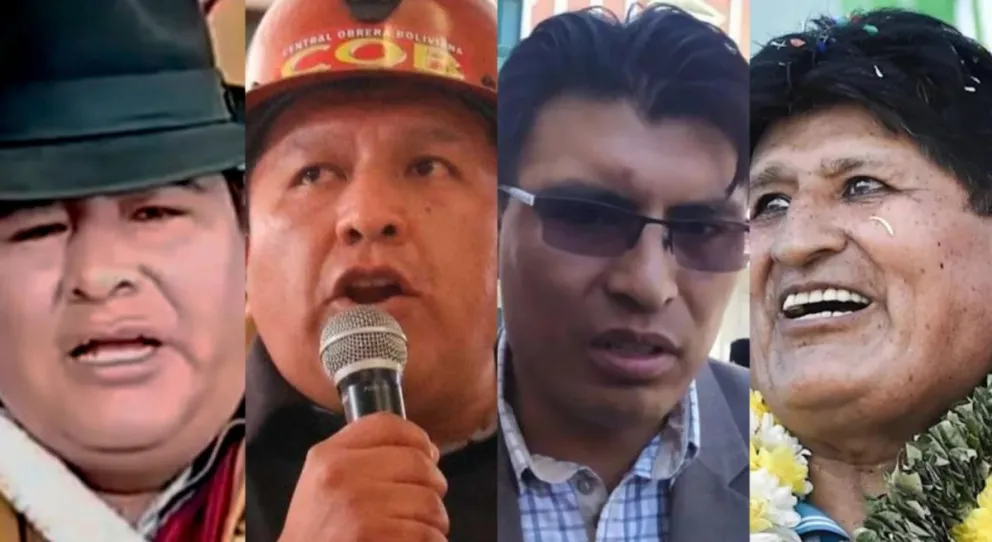
The national government denounced a “macabre plan” by former president Evo Morales, allegedly seeking the resignation of President Rodrigo Paz, financed by drug trafficking. Photo: Urgente.bo
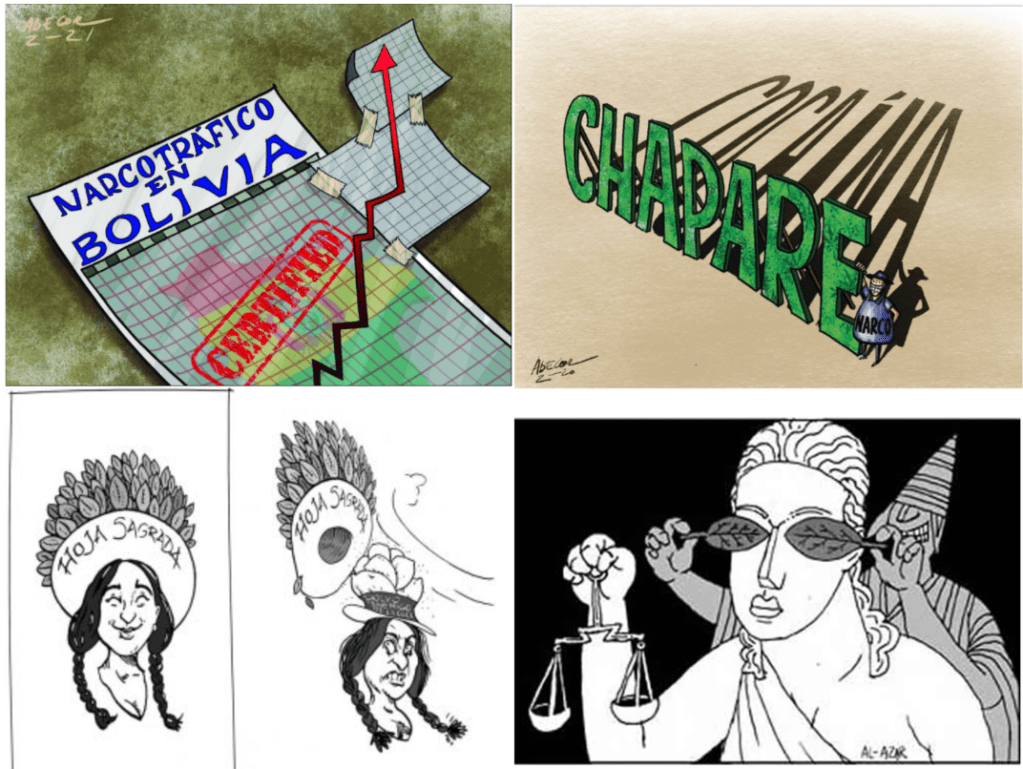
The national government denounced this Thursday the existence of a “macabre plan, conceived, operated, and financed from the Chapare,” under the command of former president Evo Morales, aimed at forcing the resignation of President Rodrigo Paz by generating social conflicts financed with resources coming from drug trafficking.
At a press conference, presidential spokesman José Luis Gálvez addressed the social unrest taking place in the country for the past 13 days, including the declaration of an indefinite strike by the Central Obrera Boliviana (COB) and road blockades that left the seat of government isolated. Later, a march by Morales’ party was added, along with the arrival in the capital of rural teachers and mining cooperatives, who today led a violent day of protests.
He recalled that, amid the conflict, COB executive secretary Mario Argollo and the leader of the La Paz Departmental Federation of Peasants Túpac Katari, Vicente Salazar, signed an agreement that set aside sectoral demands and turned their backs on dialogue in order to unite around a single objective: the resignation of the president. Substitute senator Nilton Condori also joined the effort. Gálvez claimed these were “corrupt leaders” who are “functional” to Morales’ political interests.
He assured that “drug trafficking financing is behind these leaders” and then stated that Bolivia faces one of its greatest historical challenges: “To definitively eliminate the tentacles of drug trafficking and its international criminal networks that were sheltered by previous governments for many years. Honestly, this is the real struggle we face today,” he added.
In that context, he stated that these “dark forces” want to destabilize democracy. “The social demands presented to us during these weeks have largely been addressed according to reality. However, there are leaders who insist on remaining in the streets and promoting blockades and marches that only seek to break the constitutional order,” he said.
The spokesman assured that this “macabre plan” will fail and said Bolivians must know that the struggle is against those powers and “forces of evil that receive money from drug trafficking and use terrorist tools to generate mobilizations, blockades, and violent methods to seize power by force.”
Referring to the agreement among the three figures, he said the Bolivian population witnessed a pact not to engage in dialogue and not to solve the problems the leaders claim to represent.
“What interests are they responding to? What financing is behind this? What do they propose? What is the alternative? To return to the same model they used for 245 months and that failed? Why are they not honest with the country?” he asked.
He said it is not the workers marching or the peasants carrying out blockades who “have received dark financing,” but rather the leaders. Therefore, he urged rank-and-file protesters to ask their leaders about the origin of the money financing the protests. “It is time they render accounts to the Bolivian people,” he declared.
He also referred to the deaths caused by the road blockades and asserted that the number has risen to three: Ana Enz, a 56-year-old woman from Bélice; Nelly Villanueva, from the town of Guanay; and a 20-year-old woman who could not receive medical attention. “These are new victims of Evo Morales and drug trafficking,” he concluded.
Gálvez insisted that there are politicians in the country seeking to seize by force what they did not win at the ballot box and reiterated that the underlying struggle for Bolivians is against drug trafficking. He announced that the Executive Branch will use “all its constitutional powers” to prevent this from happening.
“A thousand mobilized people arriving from the Chapare, no matter how much money they brought, cannot decide by force the destiny of our country, breaking what millions of Bolivians decided through voting and the ballot box,” he warned, before announcing that those who conspire against democracy and make deals with drug trafficking “will have to face the consequences of their decisions before justice.”
The presidential spokesman also announced that efforts to clear blocked roads have already begun, although he clarified that the government still believes dialogue is the mechanism for resolving the country’s conflicts.
“We are still working with teachers, peasants, healthcare workers, and others; whenever we have sat down to work together, we have found and built solutions. What is the common denominator among these sectors? They came with legitimate demands and their intentions were not political,” he said.
Finally, the spokesman announced that the government will use all its prerogatives to prevent drug trafficking from achieving its objective of attacking Bolivian democracy.
“The government is the guarantee we have of a democratic regime and it will exercise all its constitutional prerogatives to ensure that drug trafficking does not take over the country by force. We will not yield in this struggle because we are on the right side of history. Bolivia will not live kidnapped by politicians from the Chapare who, in alliance with drug trafficking, want to seize power by force,” he affirmed.
Por Germaine Barriga Velarde, Vision 360:
Convulsión
Gobierno denuncia que Evo Morales y el narcotráfico están detrás del plan para la renuncia de Paz
El vocero presidencial, José Luis Gálvez, dijo que los máximos dirigentes de la Central Obrera Boliviana (COB) y de la Federación Departamental de Campesinos Túpac Katari, además del senador suplente Nilton Condori, forman parte del plan.
El Gobierno nacional denuncia un “plan macabro” del expresidente Evo Morales, que busca la renuncia del presidente, Rodrigo Paz, financiado por el narcotráfico. Foto Urgente.bo
El Gobierno nacional denunció este jueves la existencia de un “plan macabro, pensado, operado y financiado desde el Chapare”, al mando del expresidente Evo Morales, que busca la renuncia del presidente Rodrigo Paz, a partir de generar conflictos sociales que son financiados con recursos provenientes del narcotráfico.
En conferencia de prensa, el vocero presidencial, José Luis Gálvez, se pronunció sobre la convulsión social que se registra en el país desde hace 13 días, con la declaratoria de un paro indefinido de la Central Obrera Boliviana (COB) y el bloqueo de carreteras que dejó aislada a la sede de Gobierno, a lo que posteriormente se sumó una marcha del partido de Morales y la llegada a la sede del Gobierno de maestros rurales y cooperativas mineros, que hoy protagonizaron una jornada de violencia.
Recordó que, en medio de este conflicto, el secretario ejecutivo de la COB, Mario Argollo, y el dirigente de la Federación Departamental de Campesinos de La Paz Túpar Katari, Vicente Salazar, firmaron un pacto que dejó de lado los pliegos sectoriales y dio la espalda al diálogo para unir su lucha en un solo objetivo, el de la renuncia del primer mandatario, al que además se sumó el senador suplente Nilton Condori. Afirmó que se trata de “dirigentes corruptos” que son “funcionales” a los intereses políticos de Morales.
Aseguró que “el financiamiento del narcotráfico está detrás de estos dirigentes” y luego sostuvo que Bolivia enfrenta uno de sus más grandes desafíos históricos: “Eliminar definitivamente los tentáculos del narcotráfico y sus redes criminales internacionales que han sido cobijadas por los anteriores gobiernos durante largos años. Honestamente, esta es la verdadera lucha que hoy enfrentamos”, complementó.
En ese contexto, afirmó que estas “fuerzas oscuras” quieren desestabilizar la democracia. “Las demandas reivindicativas que nos presentaron durante estas semanas han sido atendidas, en gran medida y conforme a la realidad. Sin embargo, hay dirigentes que insisten en seguir en las calles y promueven bloqueos y marchas que solo buscan romper el orden constitucional”, dijo.
El vocero aseguró que este “plan macabro” va a fracasar y dijo que los bolivianos tienen que saber que la lucha es contra esos poderes y “potestades del mal que reciben dinero del narcotráfico y usan herramientas del terrorismo que buscan generar movilizaciones, bloqueos y métodos violentos para hacerse del poder a la fuerza”.
En ese marco, se refirió al acuerdo entre los tres personajes, y sostuvo que la población boliviana fue testigo de un pacto para no dialogar, para no solucionar los problemas de los que los dirigentes dicen representar.
“¿A qué intereses responden? ¿Qué financiamiento está detrás? ¿Qué proponen? ¿Cuál es la alternativa? ¿Volver al mismo modelo que ellos usaron durante 245 meses y fracasaron? ¿Por qué no son honestos con el país?”, preguntó.
Dijo que no son ni los obreros que marchan ni los campesinos que bloquean los que “han recibido financiamiento oscuro”, sino los dirigentes. Por ello, planteó a los primeros preguntar a sus dirigentes sobre el origen del dinero pára financiar las protestas. “Es tiempo que rindan cuentas al pueblo boliviano”, sentenció.
También se refirió a las muertes provocadas por el bloqueo de carreteras y aseveró que ya suman tres: Ana Enz, una mujer de 56 años proveniente de Bélice; Nelly Villanueva, de la localidad de Guanay y muna menor de 20 años que no pudo recibir atencvión médica. “Estas son nuevas víctimas de Evo Morales y el narcotráfico”, concluyó.
Gálvez insistió en que hay políticos en el país que buscan tomar por la fuerza lo que no ganaron en las urnas y reiteró que la lucha de fondo que tienen los bolivianos es contra el narcotráfico. Anunció que el Ejecutivo utilizará “todas sus atribuciones constitucionales” para impedir que esto ocurra.
“Mil personas movilizadas, llegadas desde el Chapare, por mucho dinero que hayan traído, no pueden decidir por la fuerza el destino de nuestro país, rompiendo lo que millones de bolivianos hemos decidido por el voto y en las urnas”, advirtió, para después anunciar que quienes conspiren contra la democracia y pacten con el narcotráfico “tendrán que asumir las consecuencias de sus decisiones ante la justicia”.
El vocero presidencial anunció además que ya comenzaron labores de desbloqueo de caminos, aunque aclaró que el Gobierno mantiene su convencimiento en que el diálogo es el mecanismo de solución de los conflictos que existen en el país.
“Se está trabajando todavía con el magisterio, con campesinos, con trabajadores de la salud y otros; siempre que nos hemos sentado a trabajar en conjunto, hemos encontrado, hemos construido una solución. ¿Cuál es el común denominador de estos sectores? Es que vinieron con reivindicaciones legítimas y su intencionalidad no era política”, dijo.
El vocero anunció finalmente que el Gobierno utilizará todas sus prerrogativas para evitar que el narcotráfico logre su objetivo de atentar contra la democracia boliviana.
“El Gobierno es la garantía que tenemos de un régimen democrático y va a ejercer todas sus prerrogativas constitucionales para garantizar que el narcotráfico no tome por la fuerza el país. No vamos a ceder en esta lucha porque estamos del lado correcto de la historia. Bolivia no va a vivir secuestrada por políticos del Chapare que en alianza con el narcotráfico quieren tomar a la fuerza el poder”, afirmó.


Leave a Reply