Editorial, El Dia:
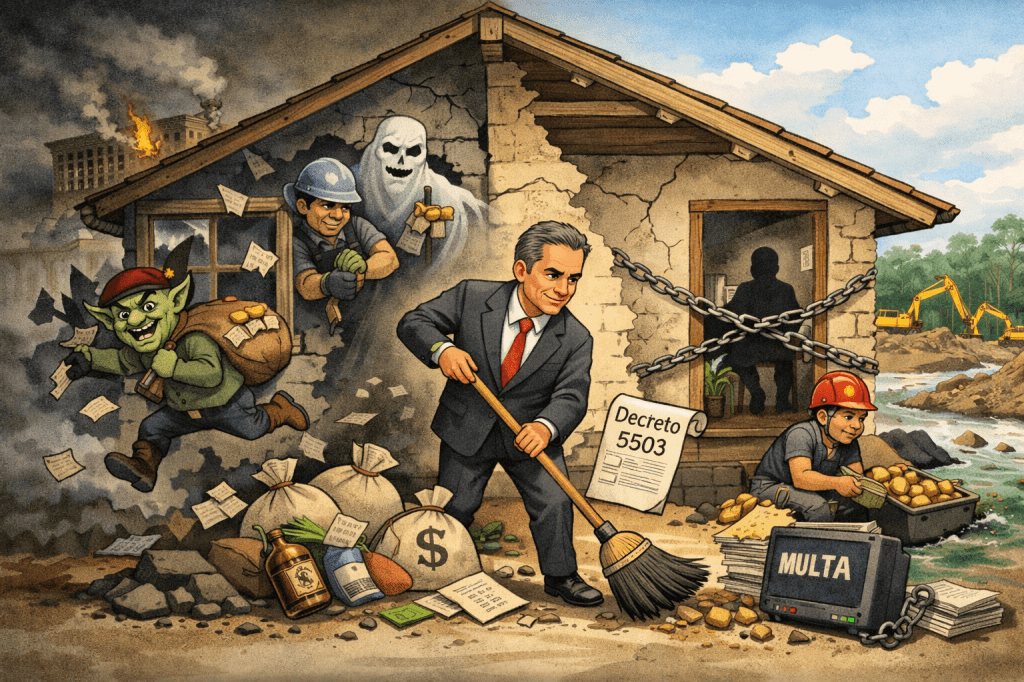
Bolivia is paying the price for having chosen an ambiguous, anesthetizing and relativistic discourse in the face of an economic reality that demanded sincerity, firmness and structural decisions from day one. Rodrigo Paz came to power by building an intermediate narrative. He was not the open continuation of masismo, but neither was he the frontal rupture proposed by other candidates. While some warned that Bolivia was on the verge of an energy, fiscal and productive crisis, he chose to minimize the inherited disaster. He relativized the magnitude of the problem, avoided talking about drastic measures and conveyed the idea that the situation was serious but manageable without major sacrifices.
That discourse allowed him to win. Many sectors found in Rodrigo Paz a kind of comfortable transition: change without trauma, alternation without rupture. He did not speak of privatizations, did not propose dismantling the state apparatus, avoided mentioning the return of the DEA or an open rapprochement with the International Monetary Fund. His message was one of moderate, conciliatory capitalism, without shock or confrontation.
Once in power, reality ended up imposing itself. The new government began revealing the dimension of the economic collapse left by masismo: uncontrolled deficit, unsustainable subsidies, energy crisis, lack of dollars and a gigantic state apparatus impossible to sustain. Then the discourse changed. The same president who had relativized the crisis began talking about structural reforms, cuts, elimination of subsidies and international negotiations to avoid a greater collapse.
Those who voted for that project [Rodrigo Paz] now feel deceived. Many of the sectors that today block roads, protest or pressure the government are precisely those who believed the country could continue functioning under the distributive logic of masismo, although with a new face. They expected continuity with anesthesia, not adjustments or sacrifices.
And that is the difference between winning elections and building legitimacy to govern. A leader may win votes by promising moderation, but afterward needs moral authority to make difficult decisions. That authority is born from having been honest from the beginning.
Bolivia remains trapped in the culture of political fiction. For years the population was told that the model was sustainable, that subsidies could last forever and that the State could continue distributing wealth even when it no longer produced enough. Rodrigo Paz decided to partially prolong that illusion in order to gain electoral governability. Today he faces the consequences.
The problem is that economic reality does not negotiate with discourse. Money runs out, energy becomes scarce and the model collapses regardless of the political narrative. When a government takes too long to tell the truth, it ends up losing twice: first because it inherits a crisis; and second because it destroys the trust of those who believed in it. That is the true price of not telling the truth.
Editorial, El Dia:
Bolivia está pagando el costo de haber elegido un discurso ambiguo, anestésico y relativista frente a una realidad económica que exigía sinceridad, firmeza y decisiones estructurales desde el primer día. Rodrigo Paz llegó al poder construyendo una narrativa intermedia. No fue el continuismo abierto del masismo, pero tampoco la ruptura frontal que proponían otros candidatos. Mientras algunos advertían que Bolivia estaba al borde de una crisis energética, fiscal y productiva, él optó por minimizar el desastre heredado. Relativizó la magnitud del problema, evitó hablar de medidas drásticas y transmitió la idea de que la situación era grave pero manejable sin grandes sacrificios.
Ese discurso le permitió ganar. Muchos sectores encontraron en Rodrigo Paz una especie de transición cómoda: un cambio sin trauma, una alternancia sin ruptura. No hablaba de privatizaciones, no planteaba desmontar el aparato estatal, evitaba mencionar el retorno de la DEA o un acercamiento abierto al Fondo Monetario Internacional. Su mensaje era el de un capitalismo moderado, conciliador, sin shock ni confrontación.
Una vez en el poder, la realidad terminó imponiéndose. El nuevo gobierno comenzó a revelar la dimensión del colapso económico dejado por el masismo: déficit descontrolado, subsidios insostenibles, crisis energética, falta de dólares y un aparato estatal gigantesco imposible de sostener. Entonces el discurso cambió. El mismo presidente que había relativizado la crisis empezó a hablar de reformas estructurales, recortes, eliminación de subsidios y negociaciones internacionales para evitar un colapso mayor.
Quienes votaron por ese proyecto [Rodrigo Paz] sienten ahora que fueron engañados. Muchos de los sectores que hoy bloquean, protestan o presionan al gobierno son precisamente aquellos que creyeron que el país podía seguir funcionando bajo la lógica distributiva del masismo, aunque con un nuevo rostro. Esperaban continuidad con anestesia, no ajustes ni sacrificios.
Y esa es la diferencia entre ganar elecciones y construir legitimidad para gobernar. Un líder puede conquistar votos prometiendo moderación, pero después necesita autoridad moral para tomar decisiones difíciles. Esa autoridad nace de haber sido honesto desde el principio.
Bolivia sigue atrapada en la cultura de la ficción política. Durante años se le dijo a la población que el modelo era sostenible, que los subsidios podían durar eternamente y que el Estado podía seguir repartiendo riqueza aunque ya no produjera suficiente. Rodrigo Paz decidió prolongar parcialmente esa ilusión para ganar gobernabilidad electoral. Hoy enfrenta las consecuencias.
El problema es que la realidad económica no negocia con discursos. El dinero se acaba, la energía escasea y el modelo colapsa independientemente de la narrativa política. Cuando un gobierno tarda demasiado en decir la verdad, termina perdiendo dos veces: primero, porque hereda una crisis; y segundo, porque destruye la confianza de quienes creyeron en él. Ese es el verdadero precio de no decir la verdad.
https://eldia.com.bo/2026-05-15/editorial/el-precio-de-no-decir-la-verdad.html


Leave a Reply