
By El Diario:
- The national currency is undergoing a historic depreciation: the parallel dollar is traded at Bs 16.50, practically surpassing double the official exchange rate.
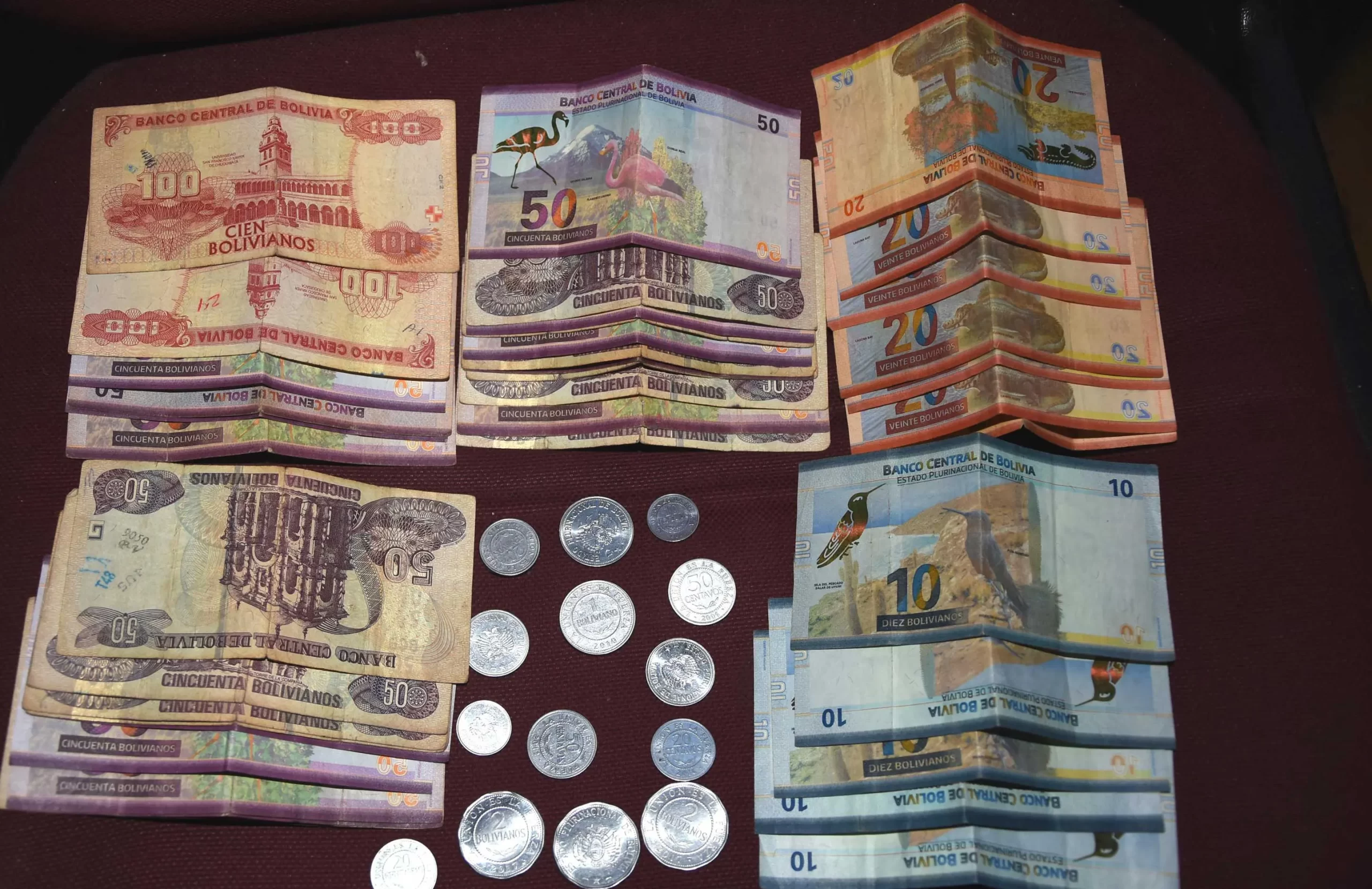
The boliviano is facing its highest exchange rate pressure in over a decade, as the value of the U.S. dollar in the parallel market surges, creating an unprecedented gap with the official exchange rate.
Although the Central Bank of Bolivia (BCB) maintains the official rate at 6.96 bolivianos per dollar, on the streets the U.S. currency is already being sold at Bs 16.50—more than double the rate set by monetary authorities.
The depreciation of the boliviano against the dollar in the parallel market has reached 137%. This percentage results from comparing the official rate (Bs 6.96) to the parallel one (Bs 16.50), highlighting the scale of the exchange rate crisis the country is facing.
This disparity reflects the growing shortage of dollars in Bolivia’s economy, a situation ongoing since 2023, which has forced importers, businesses, and citizens to turn to the informal market to access foreign currency. According to recent reports, its rate has remained above Bs 16.50 over the past week, while the official rate has remained unchanged since 2011.
President Luis Arce Catacora publicly acknowledged the difficulty of maintaining the official exchange rate and admitted that “it is unlikely the dollar will return to Bs 6.96,” amid a crisis in international reserves and annual inflation already exceeding 18%.
Analysts have warned that the depreciation of the boliviano and the persistent shortage of foreign currency are making imported goods more expensive, especially affecting household spending and productive sectors reliant on external supplies.
The impact of this exchange rate gap is felt across all levels of the economy. The national minimum wage, recently increased to 2,750 bolivianos, is now equivalent to just 166 dollars at the parallel rate, when before the crisis it exceeded 300 dollars.
Economists and international organizations indicated that, if the trend is not reversed, the loss of value of the boliviano could deepen inflation and worsen the social crisis in the short term.
Meanwhile, authorities insist that the official exchange rate will remain stable, even though in practice the dollar can only be obtained in the informal market at prices that reflect the actual state of the Bolivian economy.
The dollar’s rise quickly transfers to domestic prices, especially in an economy like Bolivia’s, where many essential goods and fuels are traded in dollars or depend on imported inputs.
This raises the cost of the basic food basket, puts pressure on inflation, and erodes families’ purchasing power. In border markets, merchants have stopped accepting bolivianos and demand payment in foreign currency, reflecting the loss of confidence in the local currency.
Exchange rate volatility and the shortage of dollars have paralyzed parts of informal and border trade, affecting both importers and exporters. Companies that depend on imported inputs face higher costs and greater difficulty accessing foreign currency, which may lead to reduced economic activity, lower profit margins, and eventually layoffs or shutdowns.
Por El Diario:
- La moneda nacional sufre una depreciación histórica: el dólar paralelo se cotiza a Bs 16,50 y prácticamente superó el doble con relación al cambio oficial.
El boliviano enfrenta su mayor presión cambiaria en más de una década, mientras el valor del dólar estadounidense en el mercado paralelo se dispara y consolida una brecha sin precedentes respecto al tipo de cambio oficial.
Aunque, el Banco Central de Bolivia (BCB) mantiene la cotización oficial en 6,96 bolivianos por dólar, en las calles la divisa estadounidense ya se vende a Bs 16,50, más del doble del valor establecido por las autoridades monetarias.
La depreciación del boliviano respecto al dólar en el mercado paralelo alcanza el 137%. Este porcentaje se obtiene al comparar el tipo de cambio oficial (Bs 6,96) con el paralelo (Bs 16,50), lo que evidencia la magnitud de la crisis cambiaria que atraviesa el país.
Esta disparidad refleja la creciente escasez de dólares en la economía boliviana, una situación que se arrastra desde 2023 y que ha obligado a importadores, empresas y ciudadanos a recurrir al mercado informal para acceder a la divisa. Según reportes recientes, en la última semana su cotización se consolidó por encima de los Bs 16,50, mientras que el tipo de cambio oficial permanece inalterable desde 2011.
El presidente del Estado, Luis Arce Catacora, reconoció públicamente la dificultad para sostener el tipo de cambio oficial y admitió que “es poco probable que el dólar vuelva a Bs 6,96”, en medio de una crisis de reservas internacionales y una inflación anual que ya supera el 18%.
Analistas advirtieron que la depreciación del boliviano y la persistente escasez de divisas están encareciendo los productos importados, afectando especialmente a la canasta familiar y a sectores productivos que dependen de insumos externos.
El impacto de esta brecha cambiaria se siente en todos los niveles de la economía. El salario mínimo nacional, recientemente incrementado a 2.750 bolivianos, equivale hoy a apenas 166 dólares al tipo de cambio paralelo, cuando antes de la crisis superaba los 300 dólares.
Economistas y organismos internacionales indicaron que, de no revertirse la tendencia, la pérdida de valor del boliviano podría profundizar la inflación y agravar la crisis social en el corto plazo.
Mientras tanto, las autoridades insisten en que el tipo de cambio oficial se mantendrá estable, aunque en la práctica el dólar solo puede conseguirse en el mercado informal a precios que reflejan la realidad de la economía boliviana.
El alza del dólar se traslada rápidamente a los precios internos, especialmente en una economía como la boliviana, donde muchos bienes esenciales y combustibles se transan en dólares o dependen de insumos importados.
Esto encarece la canasta familiar, presiona la inflación y erosiona el poder adquisitivo de las familias. En mercados fronterizos, comerciantes han dejado de aceptar bolivianos y exigen pago en moneda extranjera, reflejando la pérdida de confianza en la moneda local.
La volatilidad cambiaria y la escasez de dólares han paralizado parte del comercio informal y fronterizo, afectando tanto a importadores como a exportadores. Empresas que dependen de insumos del exterior enfrentan mayores costos y dificultades para acceder a divisas, lo que puede llevar a una reducción de la actividad económica, menores márgenes de ganancia y, eventualmente, recortes de empleo o cierre de operaciones.
https://www.eldiario.net/portal/2025/06/30/devaluacion-del-boliviano-es-de-137-respecto-al-dolar/

 Bolivian Thoughts | Pensamientos Bolivianos (Bilingual/Bilingüe)