
By Santa Cruz Governorate, Eju.tv
Santa Cruz. Background. After her rescue, she was treated and cared for by veterinarians from the Departmental Government and Uagrm, who did everything they could to save her life
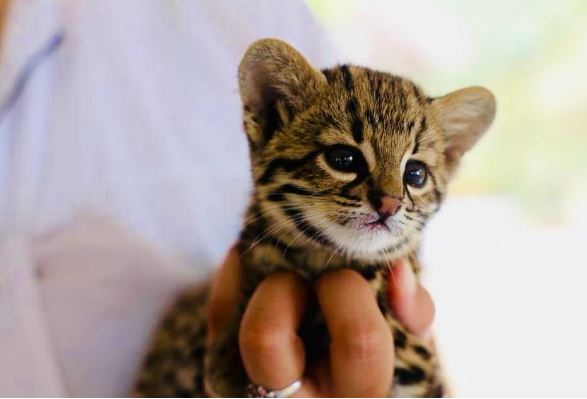
Fuente: Gobernación de Santa Cruz
The story of Estelita, a margay rescued from wildfires in 2021, became a symbol of struggle, perseverance, and love for wildlife. After four years of intensive care, this small feline is beginning a new chapter at the Senda Verde Wildlife Refuge in the department of La Paz.
She was found in poor condition by forest firefighters from the Santa Cruz Departmental Government amid a fire in the municipality of San Ignacio de Velasco in September 2021. Just a cub, without a mother or defenses, she faced an uncertain prognosis. Her recovery was a challenge that brought together professionals, institutions, and hearts committed to wildlife.
Sofía Bello, the veterinarian in charge of wildlife rescue and care for the Departmental Government, explained that Estelita was treated for four years thanks to a joint effort between the Wildlife Care and Referral Center (CAD) and Jaqueline Bazán from Uagrm’s Veterinary Hospital.
After that, “since 2023, she was fully under the custody of CAD while we waited for a refuge that could take her in. It’s not easy to find available spaces, as many are overwhelmed due to the effects of illegal trafficking and wildfires,” explained Bello, while thanking the Senda Verde Refuge, in the Nor Yungas province, for welcoming Estelita with dedication and care.
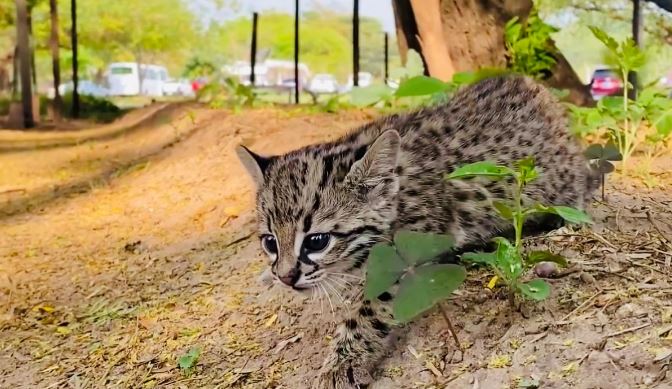
The veterinarian also highlighted the support of Ecojet airline, which facilitated the free transport of the feline and herself (as her companion) from Santa Cruz, as well as the collaboration of the Municipal Government of La Paz, which coordinated her arrival from El Alto airport to the refuge.
A story of struggle and survival
Jaqueline Bazán, a veterinarian from Uagrm, detailed that Estelita’s health was extremely delicate from the beginning due to the lack of colostrum and maternal milk. “During the first year and a half, we went from one complication to another. Her immune system was weak, and each illness posed a real threat to her life.”
On one occasion, the margay contracted panleukopenia—a serious viral disease in felines—that drastically reduced her defenses and red blood cells. Without the possibility of a blood transfusion, due to the difficulty of finding donors of her species, immune-boosting medications, cancer treatments, and erythropoietin were used to stimulate her bone marrow. Against all odds, Estelita responded.
“There were three moments when I thought she wouldn’t make it,” Bazán admitted, visibly moved. “But she fought with incredible strength. There were sleepless nights, uncertainty, and immense dedication. But also hope. Every small improvement was a shared victory,” she added.
Today, Estelita is in good health and now lives at Senda Verde, a protected environment where she will continue her life. Her story is a testament to the commitment of institutions, professionals, and citizens who support the conservation and recovery of wildlife.
“She taught us that it’s worth fighting for every living being. It’s a story that not only moves us, but also calls us to act and continue protecting our wildlife,” concluded Sofía Bello, rescue veterinarian from the Santa Cruz Departmental Government.
Por Gobernación Santa Cruz, Eju,tv:
Santa Cruz. Antecedentes. Luego de su rescate fue atendida y cuidada por veterinarias de la Gobernación y la Uagrm, que hicieron de todo por salvar su vida
Fuente: Gobernación de Santa Cruz
La historia de Estelita, una tigrilla rescatada de los incendios forestales en 2021, se convirtió en un símbolo de lucha, perseverancia y amor por la vida silvestre. Luego de cuatro años de cuidados intensivos, esta pequeña felina inicia una nueva etapa en el Refugio de Vida Silvestre Senda Verde, en el departamento de La Paz.
Fue hallada en malas condiciones por bomberos forestales de la Gobernación de Santa Cruz, en medio de un incendio que se desarrollaba en el municipio de San Ignacio de Velasco, en septiembre de 2021. Apenas una cachorra, sin madre ni defensas, enfrentaba un pronóstico reservado. Su recuperación fue un desafío que unió a profesionales, instituciones y corazones comprometidos con la vida silvestre.
Sofía Bello, veterinaria responsable de Rescate y atención de fauna silvestre de la Gobernación, explicó que Estelita fue atendida durante cuatro años en un esfuerzo compartido entre el Centro de Atención y Derivación de Fauna Silvestre (CAD) y Jaqueline Bazán, del Hospital Veterinario de la Uagrm
Posterior a ello, “desde el 2023, estuvo bajo custodia total del CAD, mientras esperábamos un refugio que pudiera recibirla. No es fácil encontrar espacios disponibles, ya que muchos están sobrecargados por los efectos del tráfico ilegal y los incendios”, explicó Bello, a tiempo de agradecer el compromiso del Refugio Senda Verde, en la provincia Nor Yungas, que aceptó acoger a Estelita con dedicación y cariño.
La veterinaria también destacó el apoyo de la aerolínea Ecojet, que facilitó el traslado gratuito de la felina y de ella (como acompañante) desde Santa Cruz; así como la colaboración del Gobierno Municipal de La Paz, que coordinó su llegada desde el aeropuerto de El Alto hasta el refugio.
Historia de lucha y supervivencia
Jaqueline Bazán, veterinaria de la Uagrm, detalló que su estado de salud fue extremadamente delicado desde el inicio, debido a la falta de calostro y leche materna. “Durante el primer año y medio, pasamos de una complicación a otra. Su sistema inmunológico era débil, y cada enfermedad representaba una amenaza real para su vida”.
En una ocasión, la tigrilla contrajo panleucopenia –una enfermedad viral grave en felinos– que redujo drásticamente sus defensas y glóbulos rojos. Sin posibilidad de una transfusión sanguínea, debido a la dificultad de encontrar donantes de su especie, se recurrió a medicamentos inmunoestimulantes, tratamientos oncológicos y eritropoyetina para activar su médula ósea. Contra todo pronóstico, Estelita respondió.
“Hubo tres momentos en los que pensé que no lo lograría”, confesó Bazán, visiblemente emocionada. “Pero ella luchó con una fuerza increíble. Fueron noches de desvelo, incertidumbre y mucha entrega. Pero también de esperanza. Cada pequeño avance fue una victoria compartida”, añadió.
Hoy, Estelita goza de buena salud y ya se encuentra en Senda Verde, un ambiente protegido donde continuará con su vida. Su historia es una muestra del compromiso de instituciones, profesionales y ciudadanos que apuestan por la conservación y la recuperación de la fauna silvestre.
“Ella nos enseñó que vale la pena luchar por cada ser vivo. Es una historia que no solo nos emociona, sino que nos llama a actuar y seguir protegiendo nuestra fauna silvestre”, concluyó por su parte Sofía Bello, veterinaria rescatista de la Gobernación cruceña.

 Bolivian Thoughts | Pensamientos Bolivianos (Bilingual/Bilingüe)