
By Unitel:
High inflation leads to “accelerated impoverishment of the population”: IMF report worries economists
The latest IMF report projects 15.1% inflation for Bolivia this year and 1.1% growth
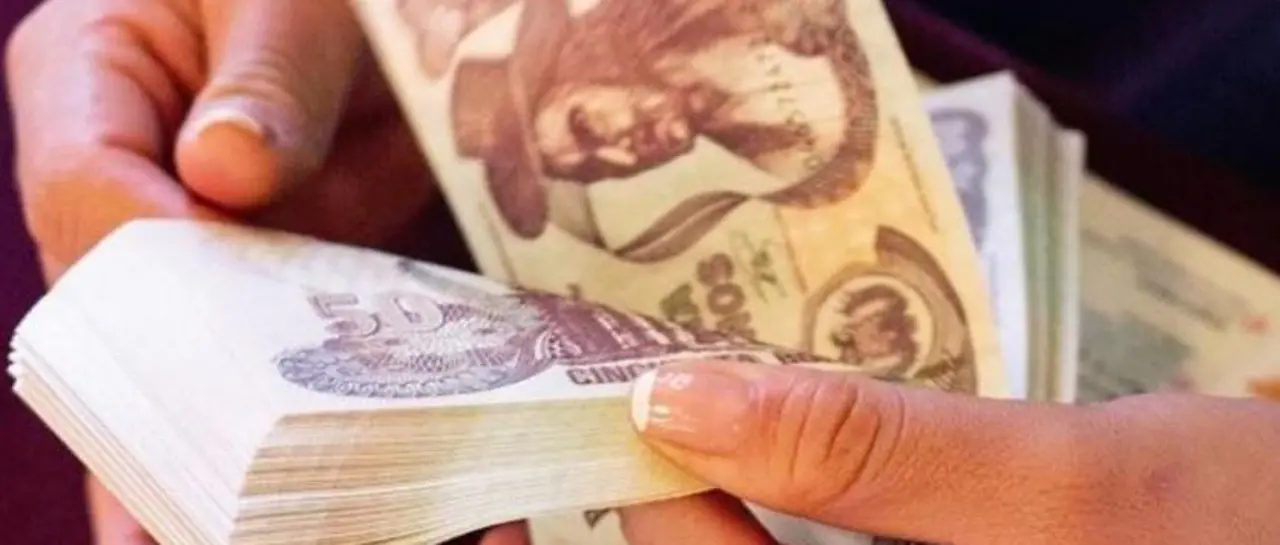
[Photo: Social Media] / Economists express concern over the latest IMF report
Following the announcement that the International Monetary Fund (IMF) projects an inflation rate of 15.1% and a growth rate of 1.1% for Bolivia in 2025, economists are warning of the need for a change in the economic model and are raising alarms about the impact on the population.
“The rise in inflation directly affects families’ purchasing power, and this is leading to the accelerated impoverishment of a large part of the population,” said José Gabriel Espinoza, economist and former director of the Central Bank of Bolivia (BCB). [watch video]
Espinoza added that inflation also impacts production costs, which increases the costs of the production chain, affecting household economies.
Regarding the low growth projected by the IMF, Espinoza noted that when combined with high inflation, it creates a scenario that is more difficult to manage than what was seen just a few months ago.
“It’s an accumulation of imbalances and poor decisions. Bolivia has kept the same fuel prices for over 20 years, while in the rest of the world, these prices tend to fluctuate. We’ve had a fixed exchange rate for over 12 years, and we have a financial system with regulated interest rates that made credit access far too cheap,” the economist stated.
Espinoza maintained that all of these “imbalances were masked” by gas export revenues, which are now much lower.
For economist Gonzalo Chávez, the IMF’s projections for Bolivia are very concerning, and he placed particular emphasis on the projected growth of 1.1% for this year and 0.9% for 2026.
“That means a virtually paralyzed productive apparatus, an economy with serious growth problems, very low growth,” said Chávez.
He also added that the international organization’s report is not encouraging in terms of foreign trade either. “In the next two years, 2025 and 2026, we are going to import more than we export,” he said.
Por Unitel:
Alta inflación lleva a un “empobrecimiento acelerado de la población”: informe del FMI preocupa a economistas
El último reporte del FMI proyecta un 15,1% de inflación para Bolivia este año y un 1,1% de crecimiento
[Foto: RRSS] / Los economistas expresan preocupación por el último reporte del FMI
Tras conocerse que el Fondo Monetario Internacional (FMI) proyecta una inflación del 15,1% y un crecimiento del 1,1% para este 2025, economistas advierten la necesidad de un cambio en el modelo económico y alertan sobre el impacto en la población.
“El incremento de la inflación afecta directamente el poder adquisitivo de las familias, esto está llevando a un empobrecimiento acelerado de gran parte de la población”, señaló José Gabriel Espinoza, economista y exdirector del Banco Central de Bolivia (BCB). [ver video]
Espinoza agregó que la inflación también tiene un impacto en los costos de producción, lo que incrementa los costos de la cadena productiva afectando la economía de las familias.
Sobre el bajo crecimiento proyectado por el FMI, Espinoza señaló que combinado con la inflación elevada se genera un escenario más difícil de controlar que el que se tenía hace unos meses.
“Es una acumulación de desequilibrios y malas decisiones. Bolivia lleva ya más de 20 años con el mismo precio de los combustibles cuando en el resto del mundo estos precios suelen moverse. Teníamos un tipo de cambio que estuvo fijo por más de 12 años, y tenemos un sistema financiero con tasas reguladas que hacían el acceso a crédito demasiado barato”, señaló el economistas.
Espinoza sostuvo que todos esos “desequilibrios se maquillaban” con los ingresos de las exportaciones de gas que ahora son mucho menores.
Para el economista Gonzalo Chávez, las proyecciones del FMI para Bolivia son muy preocupantes y puso especial énfasis en la proyección de crecimiento del 1.1% para este año y 0,9% para el 2026.
“Eso significa un aparato productivo prácticamente parado, una economía con serios problemas de crecimiento, un crecimiento muy bajo”, señaló Chávez.
Agregó también que el reporte del organismo internacional tampoco es halagador en cuando al comercio internacional. “Vamos a importar los próximos dos años, este 2025 y el 2026, más de lo que vamos a este exportar”, señaló.

 Bolivian Thoughts | Pensamientos Bolivianos (Bilingual/Bilingüe)