
By Iván Ramos – Periodismo que Cuenta, Erbol:
CASE IN THE AGRICULTURAL AND ENVIRONMENTAL COURT
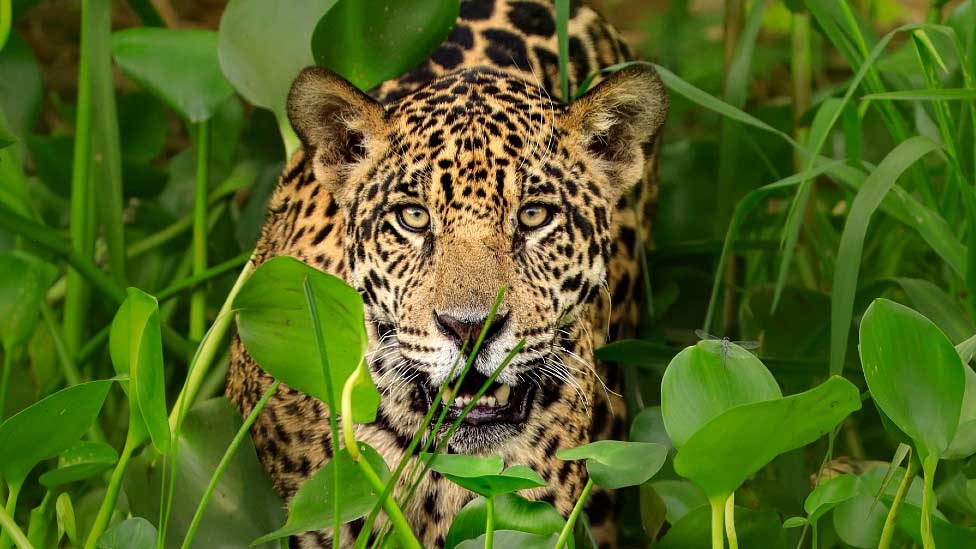
The jaguar (Panthera onca), the largest feline in the Americas, faces a growing threat in Bolivia due to habitat destruction and the rise of illegal trafficking. However, a recent judicial decision could change the course of its protection. For the first time, the Agricultural and Environmental Court has admitted a Direct Environmental Action for a Preventive Precautionary Measure, an unprecedented move aimed at ensuring the conservation of this emblematic species and its ecosystem.
This ruling marks a milestone in the defense of Bolivia’s biodiversity by establishing a judicial mechanism to curb environmental degradation that threatens the jaguar’s survival. As part of the process, the Court has scheduled a public hearing for April 23, 2025, in Sucre, where various stakeholders will present arguments in favor of preserving this species.
A JUDICIAL PRECEDENT FOR BIODIVERSITY
The ruling is based on powers granted by the Political Constitution of the State, as well as the constitutional framework, the Mother Earth Framework Law, and the Escazú Agreement, within the framework of conventionality control and direct application of Article 109.I of the Constitution. This legal action not only sets a precedent in Bolivian environmental jurisprudence but also paves the way for future initiatives to protect threatened ecosystems.
Bolivia is home to one of the world’s richest biodiversities, with twelve ecoregions and 123 protected areas at national, departmental, and municipal levels. However, these areas face increasing threats from extractive activities, environmental pollution, deforestation, wildfires, and agricultural expansion—factors that have led to an alarming loss of biodiversity.
THE JAGUAR IN BOLIVIA: GUARDIAN OF ECOSYSTEMS
The jaguar is the largest feline in the Americas and a key species for ecological balance. In Bolivia, it inhabits regions ranging from the Amazon to the Gran Chaco, with significant populations in national parks such as Madidi, Noel Kempff Mercado, and Kaa-Iya del Gran Chaco. However, its survival is increasingly at risk due to habitat destruction and the illegal trade of its fangs and skins, driven by demand in international markets.
MAIN CHARACTERISTICS OF THE JAGUAR IN BOLIVIA
- Size and Weight: It can reach up to 2.5 meters in length and weigh between 80 and 120 kg.
- Coloration: Its golden-yellow coat with rosette-shaped spots provides camouflage in the jungle. There are also melanistic (black) jaguars, though less common.
- Diet: It feeds on a variety of species, including capybaras, tapirs, deer, peccaries, and even caimans.
- Habitat: It adapts to various ecosystems, from humid rainforests to dry forests, and is an excellent swimmer.
- Behavior: It is a solitary and territorial animal, mostly active at night and dusk.
- Conservation Status: Threatened by poaching, deforestation, and illegal trafficking.
The expansion of agricultural lands and livestock farming has fragmented the jaguar’s habitat, leading to conflicts with local communities and increasing the risk of extinction in certain regions of the country. Given this scenario, the admission of the Direct Environmental Action by the Agricultural and Environmental Court is seen as a decisive step toward strengthening more effective protection policies.
CHALLENGES AND EXPECTATIONS
The April 23 hearing will be a key forum to discuss conservation strategies and define responsibilities in the defense of the jaguar and its habitat. This decision is expected to positively impact Bolivian environmental legislation and reinforce international commitments to biodiversity.
Protecting the jaguar is not only crucial for Bolivia’s ecological stability but also symbolizes the global fight against environmental degradation. The international community is closely following this process, which could serve as a model for other nations facing similar challenges in the conservation of endangered species.
Por Iván Ramos – Periodismo que Cuenta, Erbol:
CASO EN EL TRIBUNAL AGROAMBIENTAL
El jaguar (Panthera onca), el mayor felino de América, enfrenta una creciente amenaza en Bolivia debido a la destrucción de su hábitat y el auge del tráfico ilegal. Sin embargo, una reciente decisión judicial podría cambiar el rumbo de su protección. Por primera vez, el Tribunal Agroambiental ha admitido una Acción Ambiental Directa de Medida Cautelar Preventiva, un hecho sin precedentes que busca garantizar la conservación de esta especie emblemática y su ecosistema.
Esta resolución marca un hito en la defensa de la biodiversidad boliviana, al establecer un mecanismo judicial para frenar el deterioro ambiental que pone en riesgo la supervivencia del jaguar. Como parte del proceso, el Tribunal ha convocado una audiencia pública para el 23 de abril de 2025, en la ciudad de Sucre, donde distintos actores presentarán sus argumentos a favor de la preservación de esta especie.
UN PRECEDENTE JUDICIAL PARA LA BIODIVERSIDAD
El fallo se fundamenta en las atribuciones conferidas por la Constitución Política del Estado, así como en el bloque de constitucionalidad, la Ley Marco de la Madre Tierra y el Acuerdo de Escazú, en el marco del control de convencionalidad y aplicación directa del artículo 109.I de la CPE. Esta acción judicial no solo marca un hito en la jurisprudencia ambiental boliviana, sino que también abre la puerta a futuras iniciativas para la defensa de ecosistemas amenazados.
Bolivia alberga una de las mayores riquezas biológicas del planeta, con doce ecorregiones y 123 áreas protegidas distribuidas en los niveles nacional, departamental y municipal. No obstante, estas zonas enfrentan crecientes amenazas derivadas de actividades extractivas, contaminación ambiental, deforestación, incendios y expansión agrícola, factores que han generado una alarmante pérdida de biodiversidad.
EL JAGUAR EN BOLIVIA: GUARDÍAN DE LOS ECOSISTEMAS
El jaguar es el mayor felino de América y una especie clave para el equilibrio ecológico. En Bolivia, su distribución se extiende desde la Amazonía hasta el Gran Chaco, con importantes poblaciones en parques nacionales como Madidi, Noel Kempff Mercado y Kaa-Iya del Gran Chaco. Sin embargo, su supervivencia está cada vez más comprometida debido a la destrucción de su hábitat y el auge del tráfico ilegal de sus colmillos y pieles, impulsado por la demanda en mercados internacionales.
PRINCIPALES CARACTERÍSTICAS DEL JAGUAR EN BOLIVIA
• Tamaño y peso: Puede alcanzar los 2.5 metros de longitud y un peso de entre 80 y 120 kg.
• Coloración: Su pelaje es amarillo dorado con manchas en forma de rosetas, proporcionando camuflaje en la selva. Existen ejemplares melánicos (jaguares negros), aunque son menos frecuentes.
• Alimentación: Se alimenta de diversas especies, incluyendo capibaras, tapires, venados, pecaríes e incluso caimanes.
• Hábitat: Se adapta a distintos ecosistemas, desde selvas húmedas hasta bosques secos, y es un excelente nadador.
• Comportamiento: Es un animal solitario y territorial, con hábitos mayormente nocturnos y crepusculares.
• Estado de conservación: Se encuentra amenazado por la caza furtiva, la deforestación y el tráfico ilegal.
El incremento de la frontera agrícola y la ganadería ha fragmentado el hábitat del jaguar, generando conflictos con comunidades locales y aumentando el riesgo de extinción de la especie en ciertas regiones del país. Frente a este panorama, la admisión de la Acción Ambiental Directa por parte del Tribunal Agroambiental es vista como un paso determinante hacia la consolidación de políticas de protección más efectivas.
DESAFÍOS Y EXPECTATIVAS
La audiencia del 23 de abril será un espacio clave para discutir estrategias de conservación y definir responsabilidades en la defensa del jaguar y su hábitat. Se espera que esta decisión genere un impacto positivo en la legislación ambiental boliviana y refuerce los compromisos internacionales en materia de biodiversidad.
La protección del jaguar no solo es fundamental para la estabilidad ecológica de Bolivia, sino que también representa un símbolo de la lucha global contra la degradación ambiental. La comunidad internacional sigue de cerca este proceso, que podría convertirse en un modelo para otras naciones con desafíos similares en la conservación de especies en peligro de extinción.

 Bolivian Thoughts | Pensamientos Bolivianos (Bilingual/Bilingüe)