
By El Diario:
- The shortage of dollars will persist due to the Central Bank of Bolivia’s prioritization of fuel subsidies and external debt payments.
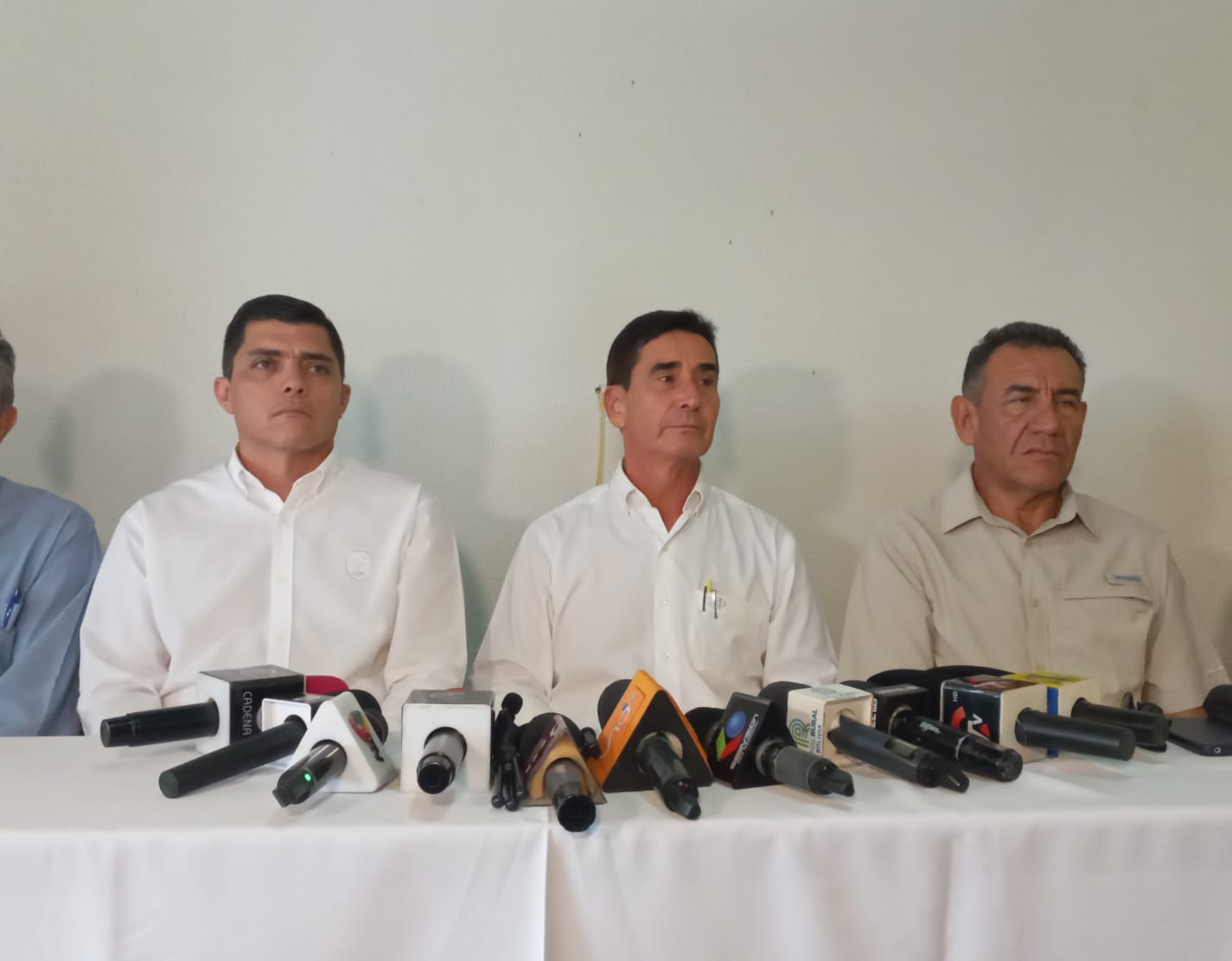
The government, instead of addressing issues affecting the national economy, such as the shortage of dollars and fuel, is moving in the opposite direction by hindering production, exports, and all activities in the production chains. These actions put the future supply of various products at risk, according to a statement from the National Agricultural Confederation (Confeagro).
The new president of the Eastern Agricultural Chamber (CAO), Klaus Frerking Adad, stated that the sector is experiencing difficult times due to unclear regulations for producers.
He criticized the export restrictions, noting that last year they targeted oil, now beef, and soon soybean grain. Additionally, the Seventh Provision of the 2025 General State Budget (PGE) has been described as a confiscatory measure that creates legal uncertainty.
“Now, the Seventh Provision does not provide the legal certainty the agricultural sector needs to continue producing,”lamented Frerking. He added that one of his main challenges this term is to overcome the economic crisis affecting both the country and the agricultural sector due to the restrictive policies imposed by the government.
“We need clear rules to be transparent and produce,” emphasized the CAO president, noting that the agricultural sector has the capacity and speed to boost the national economy.
He called for support to ensure that producers continue to believe in farming, sustain food production for all Bolivians, and export surpluses to generate foreign currency.
Concerns
Meanwhile, Confeagro expressed deep concern over the continued deterioration of Bolivian families’ economic situation, without any government action to mitigate the crisis.
“More than 12 months ago, we saw a disproportionate rise in the prices of imported goods, creating an imbalance between household income and the increasing cost of supplies,” the statement read.
Jean Pierre, president of the Santa Cruz Chamber of Industry, Commerce, and Services (Cainco), recently blamed the government for the country’s current situation, stating that its policies are strangling the economy and private enterprise.
Dollar Shortage
The dollar shortage began in early 2023 when the Central Bank of Bolivia (BCB) announced it would sell the currency at the official exchange rate, triggering long lines of people seeking to purchase dollars.
However, the BCB itself caused the crisis and the emergence of a parallel market by setting a preferential exchange rate for exporters. Initially, transaction amounts were publicly disclosed, but recent figures remain unknown.
Additionally, last year, the national fuel market experienced shortages due to the lack of dollars. Yacimientos Petrolíferos Fiscales Bolivianos (YPFB) attributed the problem to high tides at the Port of Arica, Chile, and previous blockades.
Nonetheless, long lines have returned to gas stations in recent weeks, accompanied by complaints about fuel quality.
Meanwhile, BCB President Edwin Rojas recently stated that transferring dollars into the financial system has been challenging since fuel subsidies remain the government’s priority.
Rising Prices
The inability to buy dollars at the official exchange rate of 6.97 bolivianos per dollar has led companies and individuals to turn to the parallel market, where the exchange rate exceeds 11 bolivianos per dollar.
Confeagro warns that “the unsustainable rise in production costs for producers and supply chain members” is driving up product prices.
They argue that these price increases stem from the ongoing dollar shortage, which remains unresolved. “Despite repeated complaints, the government remains indifferent and ignores the issue,” they stated.
Worse still, instead of addressing the problems affecting Bolivian families, the authorities impose measures that stifle production, exports, and the entire production chain—endangering future supply.
Examples include price bands, export restrictions, and the Seventh Additional Provision, which they demand be repealed immediately.
Given these concerns, “Bolivian agricultural producers, represented by Confeagro, call for a shift in economic management that recognizes the agricultural sector as a fundamental pillar of Bolivia’s economy. The current approach has led to the present crisis,” the statement concluded.
It is worth noting that non-traditional exports have surpassed gas sales to Brazil, and Bolivian food products have gained international market access. However, restrictive policies are stifling private sector initiatives.
Por El Diario:
- La falta de dólares continuará debido a la priorización del BCB, en la subvención de combustibles, así como para el pago de la deuda externa.
El Gobierno en vez de dar solución a los temas que afectan a la economía nacional, como lo falta de dólares y de combustibles, va en dirección contraria al frenar la producción, exportación y todas las actividades de las cadenas productivas, cuyas acciones ponen en riesgo el abastecimiento futuro de varios productos, de acuerdo al comunicado de la Confederación Agropecuaria Nacional (Confeagro).
El nuevo presidente de la Cámara Agropecuaria del Oriente (CAO), Klaus Frerking Adad, señala que el sector pasa momentos difíciles, debido a que las reglas no están claras para los productores.
Reclama por los cortes a la exportación, el año pasado fue el aceite, ahora la carne y sigue con el grano de soya, ahora se suma la disposición séptima del Presupuesto General del Estado (PGE) 2025, calificada como una norma confiscatoria que provoca inseguridad jurídica.
“Ahora la Disposición Séptima no da la seguridad jurídica que necesita el sector agropecuario para seguir produciendo”, lamentó el nuevo titular de la CAO a tiempo de indicar que uno de los desafíos que tiene para la presente gestión es salir de la crisis económica en la que se encuentra el país y los agropecuarios por las políticas restrictivas que aplica el Gobierno.
“Necesitamos reglas claras para poder sincerarnos y poder producir”, apunta el presidente de la CAO al indicar que el sector agropecuario tiene las condiciones y la velocidad para dinamizar la economía nacional, y lo puede hacer.
Apoya al sector para que el productor siga creyendo en el campo, seguir produciendo para todos los bolivianos y los excedentes exportar para que vengan las divisas.
Preocupación
Mientras tanto, en su comunicado la Confeagro ve con profunda preocupación el deterioro constante de la situación económica de las familias bolivianas sin que se vean acciones de parte de las autoridades que permitan a la población sobrellevar esta situación.
“Iniciamos hace más de 12 meses con el incremento desproporcionado en los precios de productos importados, esto ha generado un desequilibrio entre el ingreso de las familias y los nuevos costos de abastecimiento”, señala el comunicado.
El presidente de la Cámara de Industrias, Comercio e Industrias de Santa Cruz (Cainco), Jean Pierre, en declaraciones de principios de mes, responsabilizó al gobierno de la actual situación que vive el país, al aplicar medidas que asfixia la economía y a los empresarios.
Falta de dólares
Desde el 2023 empezó la falta de dólares, en las primeras semanas, el Banco Central de Bolivia (BCB) anunció que vendería la divisa a precio oficial, y las filas no tardaron, cada día la gente aumentaba.
Pero el que provocó esa situación y la creación de un mercado paralelo fue el BCB, al establecer un tipo de cambio preferencial para los exportadores, y que ellos puedan traer los dólares, en los primeros meses se conocía los montos de las transacciones, a la fecha se desconocen los resultados.
A eso, el año pasado se registró el desabastecimiento de combustibles en el mercado nacional, debido a la falta de dólares, aunque Yacimientos Petrolíferos Fiscales Bolivianos (YPFB) explicó que la situación obedecía a las altas mareas que se presentan en el puerto de Arica, Chile, y por el bloqueo que se registró la pasada gestión.
Sin embargo, desde hace una semanas las filas volvieron a las estaciones de servicio, a esto se sumó los reclamos por la calidad del combustible.
Entretanto, en declaraciones a medios de prensa, el titular del BCB, Edwin Rojas, indicó que existen dificultades en la transferencia de dólares al sistema financiero, debido a que deben priorizar la subvención de combustibles de la cual todos son beneficiados.
Incremento de precios
La falta de dólares al cambio oficial 6,97 bolivianos por dólares, ha provocado a que empresas y personas puedan acceder a la moneda extranjera en el mercado paralelo a un precio por encima de los 11 bolivianos.
La Confeagro sostiene que “el incremento de los costos de producción a niveles insostenibles para los productores y todos los integrantes de las cadenas de abastecimiento”, provoca el incremento de los precios de productos.
Asegura que esa subida de precios, se debe a la falta de dólares que hasta el momento no tiene una solución efectiva. “A pesar de los permanentes reclamos que se viene planteando, el Gobierno se muestra indiferente y lo pasan por alto”, dijo.
Lo que es peor, las autoridades en vez de dar solución a los problemas que afectan a la economía de las familias bolivianas, imponen medidas que frenan la producción, exportación y todas las actividades de las cadenas productivas y con esto se pone en riesgo el abastecimiento futuro de varios productos, alerta.
Como ejemplo de eso están las franjas de precio, restricción a las exportaciones y la Disposición Adicional Séptima, de la cual pedimos su derogación inmediata, plantean.
Por todo lo señalado, “los productores agropecuarios de Bolivia agrupados en Confeagro, solicitamos un cambio de rumbo en el manejo de la economía donde se incluya y reconozca al sector agropecuario como pilar fundamental de la economía de Bolivia, ya que la actual forma nos ha llevado a la crisis actual”, concluye.
Como se recordará, las exportaciones no tradicionales lograron pasar a la venta de gas al mercado de Brasil y los alimentos se abrieron mercados a nivel internacional, pero las restricciones frenan la iniciativa privada.

 Bolivian Thoughts | Pensamientos Bolivianos (Bilingual/Bilingüe)