
By ERBOL, El Dia:
Justice Tailored to Fit: The Manipulation of the Judicial System in Bolivia
The Bolivian judicial system is facing a structural crisis marked by corruption, politicization, and a lack of independence.
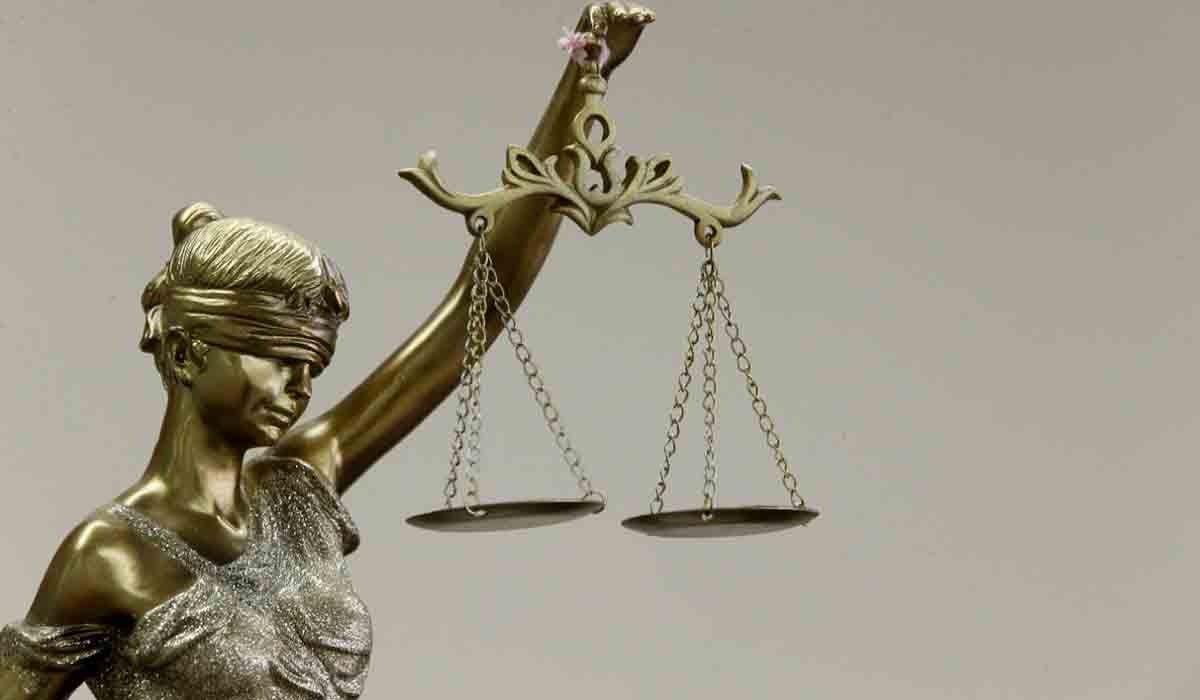
Illustration image. Photo: Internet.
The severe crisis of the Bolivian judicial system
The Bolivian judicial system faces a structural crisis that combines corruption, politicization, and lack of independence. According to reports from the Inter-American Commission on Human Rights (IACHR), this situation has led to serious human rights violations and profound public mistrust. Although reforms have been undertaken in recent years, such as the creation of courts and laws to promote transparency, progress has been limited.
The interference of political and economic interests continues to hinder judicial independence. During the 2023 Universal Periodic Review (UPR), it was highlighted that many of the 2019 recommendations on justice and human rights have not been implemented, perpetuating inequality. The National Coalition of Civil Society Organizations submitted an alternative report to the Human Rights Council in Geneva, denouncing the state’s failure to fulfill its international commitments, particularly regarding justice for vulnerable sectors.
The politicization of the judicial system: An obstacle to justice
One of the main problems is the lack of judicial independence. Over the years, the system has been subject to political interference, from the governments of Evo Morales to those of Jeanine Áñez and Luis Arce. The Plurinational Constitutional Court (TCP), responsible for safeguarding the Constitution and fundamental rights, has been accused of acting under political pressures. This politicization is reflected in the appointment of judges and prosecutors, who are often selected for their political alignment rather than professional merits. This process generates mistrust, as many believe that judicial decisions respond more to partisan interests than to impartiality.
The role of the Plurinational Constitutional Court: Paralyzed and under suspicion
A key testimony in this context is that of Natalie Patricia Flores, a candidate for the Plurinational Constitutional Court (TCP), who denounces the operational collapse of the country’s highest judicial body. According to Flores, the failure to meet the schedule for judicial elections is alarming. “In the history of justice, we are in the worst stage; by January 2024, we should already have new authorities,” she points out, but the lack of clear deadlines in constitutional rulings has allowed the process to be indefinitely delayed.
The decision of the Plurinational Constitutional Court (TCP) to extend mandates without establishing a clear time limit, according to Flores, reflects a worrying lack of direction and legitimacy. This institutional vacuum not only fuels public distrust but also hinders access to independent and timely justice. Furthermore, five of the nine extended magistrates will continue to control the Constitutional Court, further exacerbating the lack of renewal in five departments and limiting the capacity of the four elected magistrates to form the quorum necessary to issue rulings in full session.
The citizen oversight report conducted by the Citizen Observation Alliance for Democracy, led by UNITAS, highlights irregularities in the pre-selection of judicial magistrates for 2024. Deficiencies in the transparency of the process were identified, such as the late and incomplete publication of lists of candidates and resumes, as well as errors in the classification of eligible and ineligible candidates. These flaws not only affected the legitimacy of the process but also limited public access to key information.
Non-compliance with gender equity principles was observed, with only 26% female participation, underscoring the need to implement concrete measures to ensure fair and equitable representation. The report concludes with urgent recommendations to improve transparency, establish uniform criteria, and ensure that decisions are based on clear and objective standards.
Corruption: An endemic problem in the judicial system
Corruption in the Bolivian judicial system affects judges, prosecutors, and other key actors, fueling citizen mistrust. According to lawyer Hilda Mora Mora, “people no longer trust the judicial system because they feel their rights are not being adequately protected.” Despite initiatives such as the Citizen Transparency Observatory, the fight against corruption remains insufficient, perpetuating the delay of justice and widening inequalities in its access. Corruption also translates into unequal treatment, with some cases receiving immediate attention, while others, especially those involving the most vulnerable, are delayed for years without resolution.
Unjustified delays and the violation of due process
The politicization and delays in the judicial system are concerning, particularly when fundamental rights such as freedom of the press are violated. Journalist Roberto Méndez recalls the emblematic case of Las Londras, where six journalists were kidnapped and tortured. “We waited a year and a half due to excuses like lack of resources and notifications,” Méndez explains, highlighting the judiciary’s inability to guarantee justice promptly.
Preventive detention: A tool for political repression
The excessive use of preventive detention is another serious problem, especially against political opponents, activists, and journalists. According to the Fundación Construir, 66% of detainees in Bolivia are in preventive detention, leading to human rights violations. Human Rights Watch has criticized this practice, pointing out that it is used as political retaliation. Many accused individuals do not receive minimum conditions or adequate medical care for dignified detention. The Fundación Construir estimates that 66% of detainees in Bolivia are in preventive detention, evidencing the excessive use of this measure.
Prison conditions: Overcrowding and lack of medical care
Prisons in Bolivia face a severe crisis. Overcrowding and the lack of adequate medical care are recurring problems. A representative case is that of César Apaza, a coca grower leader who suffered a stroke while in prison, attributed to the lack of timely medical care. The situation led him to plead guilty to the charges he faced, solely to regain his freedom and access necessary treatment. This highlights deficiencies in both prison infrastructure and judicial administration.
The Zongo case: Environmental justice and indigenous rights
The rights of indigenous peoples are being systematically violated, especially concerning the protection of their territories. Edwin Limachi, a judge in the Cahua Chico-Zongo community, denounces that mining activities are carried out without the prior consultation established by the Constitution. Despite community intervention, which expelled a miner operating without proper consultation, authorities continue to judicially persecute the peasants, exposing corruption within the ordinary judicial system.
The UNITAS report presented for the Universal Periodic Review (UPR) underscores in paragraphs 12 and 13 the urgent need to strengthen guarantees for human rights defenders, such as César Apaza, and for indigenous communities like Cahua Chico in Zongo. These recommendations emphasize protection against reprisals and judicial persecutions, promoting a safe environment for social leaders and communities to exercise their right to defend their territories and natural resources. The report highlights the importance of implementing effective measures to ensure justice, access to reparation, and compliance with the right to prior consultation, particularly in cases related to environmental and extractive conflicts.
Paragraph 42 of the UNITAS report for the UPR addresses the situation of indigenous communities in the face of extractive activities and highlights the specific case of Cahua Chico in Zongo. It points out that mining activities in indigenous territories are carried out without prior consultation, violating the Constitution and international agreements such as ILO Convention 169. Furthermore, it denounces the judicialization of community leaders defending their lands and environmental rights, reflecting a pattern of criminalization against indigenous defenders. UNITAS recommends guaranteeing the legal security of communities and complying with the right to prior consultation, as well as halting the use of the judicial system as a tool of repression.
Conclusion: Justice as a pillar of the rule of law
Franco Albarracín, a lawyer and human rights activist, underscores the need for structural reforms in the judicial system to ensure its independence and efficiency. “Reforms cannot be superficial. We need real change in the judicial structure, allowing the selection of judges and prosecutors through transparent and meritocratic processes,” Albarracín states.
Amparo Carvajal, a human rights activist, also offered a critical view of public institutions and their ability to fulfill their fundamental functions. Carvajal highlighted how public powers and international organizations have lost credibility among the population, describing them as “pantomimes” that do not respond to the real needs of justice.
The UNITAS report for the Universal Periodic Review (UPR), in paragraph 28, addresses the case of Amparo Carvajal, a human rights activist, highlighting the difficulties and risks she faces in her defense work. The document emphasizes the state’s failure to comply with international regulations that guarantee the protection of human rights defenders. It also stresses the urgency of ensuring a safe environment for her work and that of other defenders as an indispensable condition for strengthening the exercise of fundamental rights in Bolivia.
The judicial crisis in Bolivia is not only an internal problem for the country but also affects Bolivia’s international image as a democratic state respectful of human rights. As Bolivia prepares for the Universal Periodic Review in February 2025, it is crucial for the government and civil society to work together to restore confidence in the judicial system.
Por ERBOL, El Dia:
Justicia a la Medida: La Manipulación del Sistema Judicial en Bolivia
El sistema judicial boliviano enfrenta una crisis estructural que combina corrupción, politización y falta de independencia.
Imagen de ilustración. Foto: Internet.
La grave crisis del sistema judicial boliviano
El sistema judicial boliviano enfrenta una crisis estructural que combina corrupción, politización y falta de independencia. Según informes de la Comisión Interamericana de Derechos Humanos (CIDH), esta situación ha dado lugar a graves violaciones de derechos humanos y una profunda desconfianza pública. Aunque se han realizado reformas en los últimos años, como la creación de tribunales y leyes para promover la transparencia, los avances han sido limitados.
La interferencia de intereses políticos y económicos sigue obstaculizando la independencia judicial. Durante el Examen Periódico Universal (EPU) de 2023, se destacó que muchas de las recomendaciones de 2019 sobre justicia y derechos humanos no se han implementado, perpetuando la desigualdad. la Coalición Nacional de Organizaciones de la Sociedad Civil presentó un informe alternativo al Consejo de Derechos Humanos en Ginebra, donde denunciaron el incumplimiento de los compromisos internacionales del Estado, particularmente en relación con la justicia para sectores vulnerables.
La politización del sistema Judicial: un obstáculo para la justicia
Uno de los principales problemas es la falta de independencia judicial. A lo largo de los años, el sistema ha sido objeto de interferencias políticas, desde los gobiernos de Evo Morales hasta los de JeanineÁñez y Luis Arce. El Tribunal Constitucional Plurinacional (TCP), encargado de velar por la Constitución y los derechos fundamentales, ha sido acusado de actuar bajo presiones políticas. Esta politización se refleja en la designación de jueces y fiscales, quienes a menudo son seleccionados por su alineación política, no por méritos profesionales. Este proceso genera desconfianza, ya que muchos consideran que las decisiones judiciales responden más a intereses partidarios que a la imparcialidad.
El rol del Tribunal Constitucional Plurinacional: Paralizado y Bajo Sospecha
Un testimonio clave en este contexto es el de Natalie Patricia Flores, postulante al Tribunal Constitucional Plurinacional (TCP), quien denuncia el colapso operativo del máximo órgano judicial del país. Según Flores, el incumplimiento del cronograma para las elecciones judiciales es alarmante. “En la historia de la justicia estamos en la peor etapa, en enero de 2024 ya deberíamos contar con nuevas autoridades”, señala, pero la falta de plazos claros en las sentencias constitucionales ha permitido que el proceso se dilate indefinidamente.
La decisión del Tribunal Constitucional Plurinacional (TCP) de prorrogar mandatos sin establecer un límite temporal claro, según Flores, refleja una preocupante falta de dirección y legitimidad. Este vacío institucional no solo alimenta la desconfianza de la población, sino que también obstaculiza el acceso a una justicia independiente y oportuna. Además, cinco de los nueve magistrados prorrogados continuarán controlando el Tribunal Constitucional, lo que agrava aún más la falta de renovación en cinco departamentos y limita la capacidad de los cuatro magistrados electos para conformar el quórum necesario para emitir sentencias en sala plena.
El informe de veeduría ciudadana realizado por la Alianza de Observación Ciudadana de la Democracia, liderada por UNITAS, destaca irregularidades en la preselección de magistrados judiciales para 2024. Se identificaron deficiencias en la transparencia del proceso, como la publicación tardía e incompleta de listas de postulantes y hojas de vida, así como errores en la clasificación de habilitados e inhabilitados. Estas fallas no solo afectaron la legitimidad del proceso, sino que también limitaron el acceso público a información clave.
Se observó un incumplimiento en los principios de equidad de género, con una participación femenina de solo el 26%, lo que evidencia la necesidad de implementar medidas concretas para garantizar una representación justa y equitativa. El informe concluye con recomendaciones urgentes para mejorar la transparencia, establecer criterios uniformes y garantizar que las decisiones se basen en estándares claros y objetivos.
La Corrupción: Un Mal Endémico en el Sistema Judicial
La corrupción en el sistema judicial boliviano afecta a jueces, fiscales y otros actores clave, alimentando la desconfianza ciudadana. Según la abogada Hilda Mora Mora, “la gente ya no cree en el sistema judicial porque siente que sus derechos no están siendo protegidos adecuadamente”. A pesar de iniciativas como el Observatorio Ciudadano de Transparencia, la lucha contra la corrupción sigue siendo insuficiente, lo que perpetúa la retardación de justicia y amplía las desigualdades en su acceso. La corrupción también se traduce en un trato desigual, con ciertos casos recibiendo atención inmediata, mientras que otros, especialmente los de personas más vulnerables, se demoran años sin resolución.
Retrasos injustificados y la violación del debido proceso
La politización y los retrasos en el sistema judicial son preocupantes, especialmente cuando se vulneran derechos fundamentales como la libertad de prensa. Roberto Méndez, periodista, recuerda el caso emblemático de Las Londras, donde seis periodistas fueron secuestrados y torturados. “Nos tuvieron un año y medio esperando por excusas como falta de recursos y notificaciones”, explica Méndez, subrayando la incapacidad del sistema judicial para garantizar justicia de manera oportuna.
Prisión preventiva: una herramienta para la represión política
El uso excesivo de la prisión preventiva es otro grave problema, especialmente contra opositores políticos, activistas y periodistas. Según la Fundación Construir, el 66% de los detenidos en Bolivia están en prisión preventiva, lo que genera violaciones de derechos humanos. Human RightsWatch ha criticado esta práctica, señalando que se utiliza como represalia política. Muchos acusados no reciben las condiciones mínimas ni la atención médica adecuada para una detención digna. La Fundación Construir estima que el 66% de los detenidos en Bolivia están en prisión preventiva, evidenciando el uso excesivo de esta medida.
Condiciones carcelarias: El hacinamiento y la falta de atención médica
Las cárceles en Bolivia enfrentan una grave crisis. El hacinamiento y la falta de atención médica adecuada son problemas recurrentes. Un ejemplo emblemático es el caso de César Apaza, un dirigente cocalero que sufrió una embolia cerebral mientras se encontraba en prisión, atribuida a la falta de atención médica oportuna. La situación lo llevó a declararse culpable de los cargos que enfrentaba, con la única intención de recuperar su libertad y acceder al tratamiento necesario. Esto resalta las deficiencias tanto en la infraestructura penitenciaria como en la administración de justicia.
El caso Zongo: Justicia Ambiental y Derechos Indígenas
Los derechos de los pueblos indígenas están siendo sistemáticamente vulnerados, especialmente en relación con la protección de sus territorios. Edwin Limachi, juez de la comunidad Cahua Chico-Zongo, denuncia que las actividades mineras se realizan sin la consulta previa establecida por la Constitución. A pesar de la intervención de las comunidades, que expulsaron a un minero que operaba sin la consulta adecuada, las autoridades siguen persiguiendo judicialmente a los campesinos, evidenciando la corrupción del sistema judicial ordinario.
El informe de UNITAS presentado para el Examen Periódico Universal (EPU) subraya en sus parágrafos 12 y 13 la necesidad urgente de fortalecer las garantías para defensores de derechos humanos, como César Apaza, y para comunidades indígenas como Cahua Chico de Zongo. Estas recomendaciones enfatizan la protección contra represalias y persecuciones judiciales, promoviendo un entorno seguro para que líderes sociales y comunidades puedan ejercer su derecho a la defensa de sus territorios y recursos naturales. Dicho informe destaca la importancia de implementar medidas efectivas que aseguren justicia, acceso a reparación y cumplimiento del derecho a la consulta previa, especialmente en casos relacionados con conflictos medioambientales y extractivismo.
El parágrafo 42 del informe de UNITAS para el EPU aborda la situación de las comunidades indígenas frente a actividades extractivas y destaca el caso específico de Cahua Chico de Zongo. Este señala que las actividades mineras en territorios indígenas se realizan sin consulta previa, violando la Constitución y acuerdos internacionales como el Convenio 169 de la OIT. Además, se denuncia la judicialización de los líderes comunitarios que defienden sus tierras y derechos ambientales, lo que refleja un patrón de criminalización contra defensores indígenas. UNITAS recomienda garantizar la seguridad jurídica de las comunidades y cumplir con el derecho a la consulta previa, además de detener el uso del sistema judicial como herramienta de represión.
Conclusión: la justicia como pilar del Estado de derecho
Franco Albarracín, abogado y activista en derechos humanos, subraya la necesidad de reformas estructurales en el sistema judicial para garantizar su independencia y eficiencia. “Las reformas no pueden ser superficiales. Necesitamos un cambio real en la estructura judicial, que permita la selección de jueces y fiscales a través de procesos transparentes y meritocráticos”, señala Albarracín.
Amparo Carvajal, activista de derechos humanos, también ofreció una visión crítica de las instituciones públicas y su capacidad para cumplir con sus funciones fundamentales. Carvajal destacó cómo los poderes públicos y organismos internacionales han perdido credibilidad ante la población, calificándolos de “pantomimas” que no responden a las necesidades reales de justicia.
El informe de UNITAS para el Examen Periódico Universal (EPU), en su parágrafo 28, aborda el caso de Amparo Carvajal, activista de derechos humanos, destacando las dificultades y riesgos que enfrenta en su labor de defensa. El documento resalta las limitaciones impuestas por el Estado, incluyendo el incumplimiento de las normativas internacionales que garantizan la protección de los defensores de derechos humanos. También subraya la urgencia de asegurar un entorno seguro para su labor y la de otros defensores, como una condición indispensable para fortalecer el ejercicio de los derechos fundamentales en Bolivia.
La crisis judicial en Bolivia no sólo es un problema interno del país, sino que también afecta la imagen internacional de Bolivia como un Estado democrático y respetuoso de los derechos humanos. A medida que Bolivia se prepara para el Examen Periódico Universal en febrero de 2025, es crucial que el gobierno y la sociedad civil trabajen en conjunto para restaurar la confianza en el sistema judicial.

 Bolivian Thoughts | Pensamientos Bolivianos (Bilingual/Bilingüe)