
By Mauricio Quiroz Terán, El Deber:
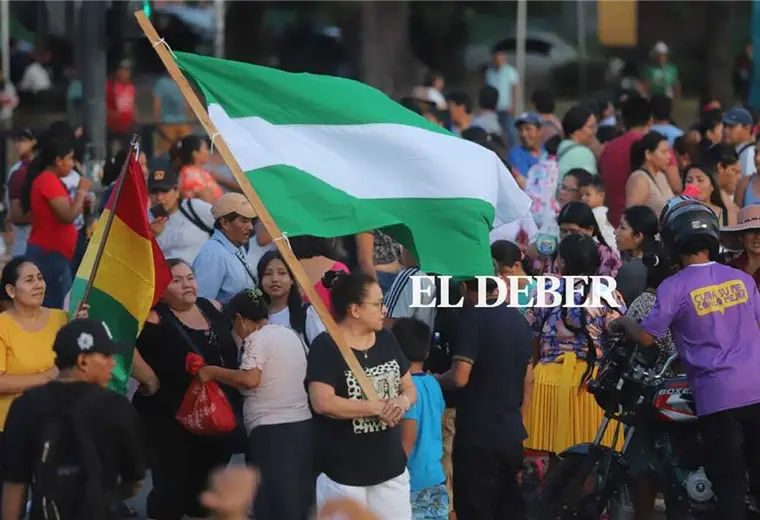
Thousands of Citizens Take the Streets of Santa Cruz to Protest the Economic Crisis
Thousands of citizens, including representatives of Santa Cruz institutions, took to the second ring road to express their discontent with the government of President Luis Arce and to demand urgent measures to address the growing economic and social crises affecting the country. A document released in the afternoon calls for early elections, currently scheduled for August 2025.
Under the slogan “For a New Bolivia,” the organizers emphasized the need for a profound shift in public policies, pointing out that the current political model has led the country into economic dependence, stagnation, and increased inequality, as stated in the “Citizen Public Manifesto” published on Tuesday.
Key Demands of the Protest
As part of the manifesto presented during the mobilization, citizens highlighted the following points:
- Elimination of YPFB’s Monopoly: Protesters demanded the opening of the hydrocarbons sector to private investment, promoting a competitive and sustainable market that guarantees fuel supply in the country.
- Economic Reforms: The lack of U.S. dollars, the fuel crisis, and the fiscal deficit were denounced as key symptoms of inefficient state administration.
- Early National Elections: The organizers argued that President Luis Arce’s government has demonstrated an inability to manage the State and called for early elections to allow for new leadership.
- Opposition Unity: Protesters urged political parties to prioritize the well-being of the people over personal interests, promoting a common agenda to rebuild the country.
Criticism of Supreme Decree 5271
Supreme Decree 5271 was also rejected during the ‘Anillazo’ protest. According to the manifesto read at the event, the decree lacks legal security and trust for investors, while evading the State’s constitutional responsibilities by transferring competencies to the private sector without ensuring proper implementation.
The decree, issued by the Bolivian government, exceptionally authorizes the private import and commercialization of gasoline and diesel for one year.
This measure allows individuals and businesses to import these fuels, not only for personal use but also for resale in the domestic market.
The main objective is to address the demands of productive sectors and encourage market competition, which is expected to reduce costs and improve the availability of these products. However, despite this flexibility, Yacimientos Petrolíferos Fiscales Bolivianos (YPFB) will continue importing subsidized fuel to balance the market.
A Cry of Hope, Not Defeat
At the conclusion of the event, the organizers emphasized that this mobilization is a call for hope, not an act of resignation. “Today marks the beginning of building a new Bolivia, a Bolivia that prioritizes its people and their future,” concluded the protest’s spokespersons.
The ‘Anillazo’ marked a pivotal moment in the expression of citizen discontent, bringing together diverse sectors of society, from civil organizations to entrepreneurs and entire families, united in their demand for real change to restore the country’s stability and progress.
What Does the Manifesto Say?
1. Diagnosis of the Current Situation
Bolivia faces a failed, obsolete, and abusive political project that has plunged the country into:
- Economic Dependence and Stagnation: Nationalization has stifled investments and increased public spending, leading to an unsustainable fiscal deficit.
- Inequality and Hunger: The socialist model has enriched a few while the people suffer from basic shortages.
- Fuel Crisis: Diesel and gasoline shortages threaten food security and limit the daily activities of Bolivians.
- Dollar Shortage: The economy is locked in, driving the country toward poverty.
This situation is not new but rather the result of years of poor state administration.
2. Denouncement of Supreme Decree 5271
The decree fails to provide:
- Legal Security or Trust: It does not guarantee the necessary conditions for investment.
- State Responsibility: It shirks the State’s constitutional obligations by transferring responsibilities to the private sector without structural solutions.
3. Citizen Demands
As citizens, we demand from the Plurinational Legislative Assembly:
- Elimination of YPFB’s Monopoly: Allow private companies to participate in the hydrocarbons sector to create a competitive and dynamic market.
- Promotion of New Technologies: Incorporate innovations to ensure a medium- and long-term fuel supply.
- Guarantees for Food and Energy Security: Establish policies to prevent future fuel crises.
4. Call to President Luis Arce Catacora
Mr. President, your inability to govern the State has led the country to collapse. Therefore:
- We demand early national elections: So that the Bolivian people can elect leadership capable of adopting effective measures and bringing hope for better days.
5. Call for Opposition Unity
We urge opposition parties to:
- Work for National Unity: Set aside personal interests and focus on the people’s well-being.
- Push for the urgent changes society demands: Bolivia needs actions that produce tangible results and restore citizens’ trust.
6. Final Message
This manifesto is not a cry of defeat but a call for hope. Today begins the construction of a new Bolivia, with firm actions and real solutions to overcome the current crises.
Por Mauricio Quiroz Terán, El Deber:
Miles de ciudadanos tomaron las calles de Santa Cruz para reclamar por los efectos de la crisis económica marcada por la falta de combustibles y la ausencia de dólares en el mercado regular
Miles de ciudadanos entre los que figuran representantes de instituciones de Santa Cruz tomaron el segundo anillo para expresar su descontento con la administración gubernamental del presidente Luis Arce y exigir medidas urgentes para enfrentar las crecientes crisis económicas y sociales que afectan al país. El documento divulgado al final de la tarde pide adelantar las elecciones previstas para agosto de 2025.
Bajo el lema “Por una nueva Bolivia”, los organizadores destacaron la necesidad de un cambio profundo en las políticas públicas, señalando que el modelo político vigente ha llevado al país a la dependencia económica, el estancamiento y el incremento de la desigualdad, según se lee en el “Manifiesto Publico Ciudadano” divulgado este martes.
Demandas clave de la protesta
En el marco del manifiesto presentado durante la movilización, los ciudadanos hicieron énfasis en los siguientes puntos:
– Eliminación del monopolio de YPFB: Los manifestantes exigieron la apertura del sector hidrocarburos a la inversión privada, promoviendo un mercado competitivo y sostenible que garantice el abastecimiento de combustibles en el país.
– Reformas económicas: Se denunció la falta de dólares, la crisis de combustibles y el déficit fiscal como principales síntomas de una administración estatal deficiente.
– Adelanto de elecciones nacionales: Los organizadores consideran que el gobierno del presidente Luis Arce ha demostrado incapacidad para administrar el Estado y demandan que se convoque a elecciones anticipadas para dar paso a un nuevo liderazgo.
– Unidad de la oposición: Instaron a los partidos políticos a priorizar el bienestar del pueblo por encima de intereses personales, promoviendo una agenda común para reconstruir el país.
Críticas al Decreto Supremo 5271
El Decreto Supremo 5271 también fue objeto de rechazo durante el ‘Anillazo’. Según el manifiesto leído, esta norma carece de seguridad jurídica y confianza para los inversores, al tiempo que evade las responsabilidades constitucionales del Estado al transferir competencias al sector privado sin establecer garantías para su correcta implementación.
El Decreto Supremo 5271, emitido por el Gobierno de Bolivia, autoriza de manera excepcional la importación y comercialización privada de gasolina y diésel durante un año.
Esta medida permite a personas naturales y jurídicas importar estos combustibles, no solo para uso personal sino también para su venta en el mercado interno.
El objetivo principal es responder a las demandas de los sectores productivos y fomentar la competencia en el mercado, lo que se espera que reduzca costos y mejore la disponibilidad de estos productos. A pesar de esta flexibilización, Yacimientos Petrolíferos Fiscales Bolivianos (YPFB) continuará importando combustible subvencionado para equilibrar el mercad
Un grito de esperanza, no de derrota
En el cierre del evento, los organizadores recalcaron que esta movilización es un llamado a la esperanza y no un acto de resignación. “Hoy comienza la construcción de una nueva Bolivia, una Bolivia que priorice al pueblo y a su futuro”, concluyeron los voceros de la protesta.
El ‘Anillazo’ marcó un momento clave en la manifestación del descontento ciudadano, con una convocatoria que reunió a diversos sectores de la sociedad, desde organizaciones civiles hasta emprendedores y familias completas, unidos en la exigencia de cambios reales que devuelvan al país la estabilidad y el progreso.
¿Qué dice el Manifiesto?
1. Diagnóstico de la situación actual
Bolivia enfrenta un proyecto político fracasado, obsoleto y abusivo, que ha sumido al país en:
– Dependencia económica y estancamiento: La nacionalización ha frenado inversiones y aumentó el gasto público, provocando un déficit fiscal insostenible.
– Desigualdad y hambre: El modelo socialista ha enriquecido a unos pocos, mientras el pueblo sufre carencias básicas.
– Crisis de combustibles: La escasez de diésel y gasolina amenaza la seguridad alimentaria y limita las actividades cotidianas de los bolivianos.
– Falta de dólares: La economía está enclaustrada, llevando al país hacia la miseria.
Esta situación no es nueva, sino resultado de años de mala administración estatal.
2. Denuncia del Decreto Supremo 5271
El Decreto 5271 no ofrece:
– Seguridad jurídica ni confianza: No asegura las condiciones necesarias para la inversión.
– Responsabilidad estatal: Deslinda al Estado de su obligación constitucional, transfiriendo competencias al sector privado sin soluciones estructurales.
3. Exigencias ciudadanas
Como ciudadanos, exigimos a la Asamblea Legislativa Plurinacional:
– Eliminación del monopolio de YPFB: Que se permita la participación de empresas privadas en el sector hidrocarburos para crear un mercado competitivo y dinámico.
– Promoción de nuevas tecnologías: Incorporar innovaciones que garanticen el abastecimiento de hidrocarburos a mediano y largo plazo.
– Garantías para la seguridad alimentaria y energética: Establecer políticas que eviten futuras crisis de combustibles.
4. Llamado al presidente Luis Arce Catacora
Señor Presidente, su incapacidad para administrar el Estado ha llevado al país al colapso. Por ello:
– Exigimos el adelanto de elecciones nacionales: Para que el pueblo boliviano pueda elegir un liderazgo que adopte medidas efectivas y brinde esperanza de mejores días.
5. Llamado a la unidad de la oposición
Instamos a los partidos de oposición a:
– Trabajar por la unidad nacional: Dejar de lado los intereses personales y enfocarse en el bienestar del pueblo.
– Impulsar los cambios urgentes que demanda la sociedad: Bolivia necesita acciones que den resultados tangibles y restauren la confianza ciudadana.
6. Mensaje final
Este manifiesto no es un grito de derrota, sino un llamado a la esperanza. Hoy comienza la construcción de una nueva Bolivia, con acciones firmes y soluciones reales para superar las crisis actuales.

 Bolivian Thoughts | Pensamientos Bolivianos (Bilingual/Bilingüe)