
By Brújula Digital, Eju.tv:
Fundación Milenio: The food balance in Bolivia faces serious challenges
The figures reflect a complex scenario: adverse climatic conditions, exchange rate instability, and growing urbanization have negatively impacted agricultural production, hindering sustained growth and increasing vulnerabilities in food security.
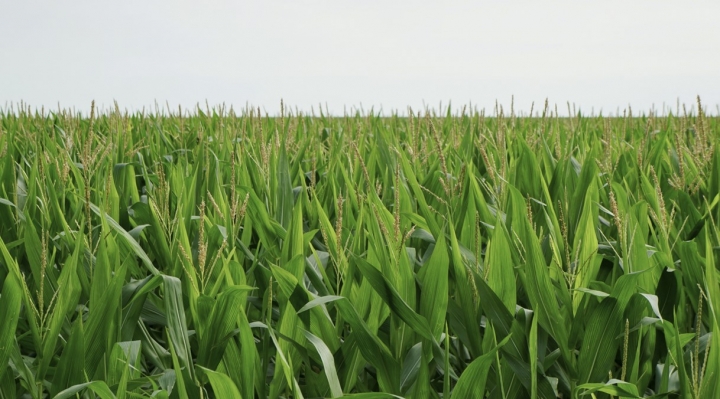 Thomas Park/Unsplash
The food balance in Bolivia faces serious challenges due to multiple factors that are placing considerable pressure on the system.
In this context, food imports have continued to increase, even with the economic challenges of 2023. Dependence on imported food products remains high, highlighting the urgent need to strengthen national production and reduce vulnerability to external factors.
According to a study by Fundación Milenio, in a macroeconomic environment characterized by uncertainty and the increase in food imports, high dependence on imported products becomes a significant risk to the population’s food security.
Although oilseed exports, especially soybeans, have been a crucial source of foreign exchange, 2023 saw a notable drop in production, attributed to the stabilization of international prices and reduced crop yields.
While sunflower production remains positive due to growing industrial demand, the overall situation of agri-food chains calls for urgent modernization through biotechnology to improve agricultural productivity.
The livestock sector shows signs of growth, driven by the opening of new markets in Asia and Africa. In 2022, Bolivia had more than 10.7 million head of cattle, marking a 3.4% growth compared to the previous year. On the other hand, the sugar-alcohol chain faces uncertainties, with a mismatch between the supply and demand for biofuels, affecting investment in crops for this purpose.
The Milenio report notes that, in terms of crops, there was a 30% decrease in cereal volumes, with sorghum and corn being the most affected. Banana production has begun to recover after a period of crisis, although the lack of payments from Argentine importers has limited its growth.
The figures reflect a complex scenario: adverse climatic conditions, exchange rate instability, and growing urbanization have negatively impacted agricultural production, hindering sustained growth and increasing vulnerabilities in food security.
BD/RED
Por Brújula Digital, Eju.tv:
Fundación Milenio: El balance alimentario en Bolivia enfrenta serios desafíos
Las cifras reflejan un escenario complejo: las condiciones climáticas adversas, la inestabilidad del tipo de cambio y la urbanización creciente han impactado negativamente en la producción agrícola, dificultando el crecimiento sostenido y aumentando las vulnerabilidades en la seguridad alimentaria.
Thomas Park/Unsplash
El balance alimentario en Bolivia enfrenta serios desafíos debido a múltiples factores que están ejerciendo una presión considerable sobre el sistema.
En este contexto, la importación de alimentos ha seguido en aumento, incluso con los desafíos económicos de 2023. La dependencia de productos alimenticios importados sigue siendo alta, lo que pone en evidencia la necesidad urgente de fortalecer la producción nacional y reducir la vulnerabilidad frente a factores externos.
Según un estudio de la fundación Milenio, en un entorno macroeconómico caracterizado por la incertidumbre y el incremento de las importaciones de alimentos, la alta dependencia de productos importados se convierte en un riesgo significativo para la seguridad alimentaria de la población.
A pesar de que las exportaciones de oleaginosas, especialmente la soya, han representado una fuente crucial de divisas, en 2023 se registró una caída notable en su producción, atribuida a la estabilización de los precios internacionales y a la reducción en el rendimiento de los cultivos.
Aunque la producción de girasol se mantiene positiva gracias a la creciente demanda industrial, la situación general de las cadenas agroalimentarias exige una urgente modernización mediante biotecnología para mejorar la productividad agrícola.
El sector ganadero muestra signos de crecimiento, impulsado por la apertura de nuevos mercados en Asia y África. En 2022, Bolivia contaba con más de 10,7 millones de cabezas de ganado, marcando un crecimiento del 3,4% respecto al año anterior. Por otra parte, la cadena sucroalcoholera enfrenta incertidumbres, con un desajuste entre la oferta y la demanda de biocombustibles, lo que afecta la inversión en cultivos destinados a este fin.
El informe de Milenio señala que, en cuanto a los cultivos, se observó una disminución del 30% en el volumen de cereales, siendo el sorgo y el maíz los más afectados. La producción de plátano ha comenzado a recuperarse tras un periodo de crisis, aunque la falta de pagos por parte de importadores argentinos ha limitado su crecimiento.
Las cifras reflejan un escenario complejo: las condiciones climáticas adversas, la inestabilidad del tipo de cambio y la urbanización creciente han impactado negativamente en la producción agrícola, dificultando el crecimiento sostenido y aumentando las vulnerabilidades en la seguridad alimentaria.
BD/RED
https://eju.tv/2024/09/fundacion-milenio-el-balance-alimentario-en-bolivia-enfrenta-serios-desafios/

 Bolivian Thoughts | Pensamientos Bolivianos (Bilingual/Bilingüe)