
El Diario:
Charging commissions for overseas money transfers is a counterproductive measure
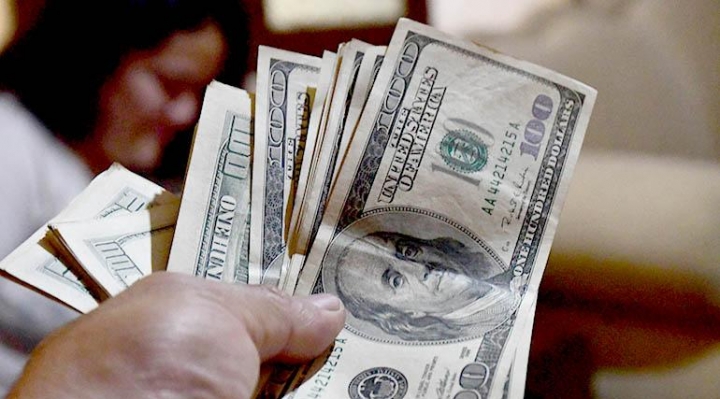
Following the decision of the Financial System Supervisory Authority (ASFI) to adjust commissions for overseas transfers, economic analysts Gabriel Espinoza and Fernando Romero consider the measure counterproductive and believe it will worsen the situation instead of improving it.
ASFI modified the regulation of interest rates, commissions, and fees, establishing free transfers abroad for amounts less than $1,000 and setting a commission of between 5% and 10% for amounts exceeding this figure.
Additionally, it set a commission of up to 20% for transfers in other foreign currencies.
Economist Espinoza believes that such measures show ASFI’s “complete lack of understanding of how the market is functioning” and fails to recognize the problem’s origin.
“So, when ASFI tries to regulate these rates, it disregards the problem’s origin and will now deepen it.”
Espinoza believes the situation will worsen because ASFI implements regulations “without considering” that the provision of dollars from the Central Bank of Bolivia to financial entities “is practically zero,” leading banks to be unable to obtain US dollars at the official exchange rate and meet their clients’ needs.
“On the other hand, the export sector, which is the other source of foreign currency for the financial system, no longer liquidates its dollars at the official exchange rate, as it is not legally obliged to do so; therefore, they can demand whatever price they want.” “And besides that, we have a significant drop in exports.”
Due to this situation, banks must buy dollars well above the official exchange rate.
Fernando Romero, president of the College of Economists of Tarija, also believes the measure will be detrimental rather than beneficial.
“With such measures, it is influencing (…) more negatively than positively because, although they (the government) claim there has been a reduction (in dollar transfers) and it is true (…) simply because there are no dollars, so how are they going to transfer,” Romero told Brújula Digital.
Additionally, transfer commissions in dollars “are low” for banks, making it “unprofitable for them to do so.”
He added that the authorities are not being honest about why they decided to adjust currency transfers.
“They are not being very sincere; it is clearly due to the dollar shortage that has dropped from 95% and reduced to 37% (…) there has been a decrease in transfers from December 2023 to July 2024, not because the dollar has less weight in the global or local economy but because there is a shortage, that there are no dollars for transfers,” Romero said.
At a press conference on Tuesday, ASFI Director Ivette Espinoza indicated that the regulatory changes were applied because the use of the dollar in transfers decreased from 95% in December 2023 to 37% in July this year, leading to the use of other currencies.
Economist Jaime Dunn believes this measure by ASFI will cause banks to sell dollars and other currencies to achieve a maximum commission of 30%, leading to the disappearance not only of the dollar but also of other foreign currencies.
“The banks’ exchange commission is the difference between the price at which they obtain dollars and the official exchange rate. I warned that by setting a 10% cap on commissions, a maximum price of $7.65 per dollar was established. As a result, dollars disappeared from banks. Now, ASFI sets a maximum of 20% for commissions for other currencies. This will lead banks to sell you dollars and then another currency to achieve a maximum commission of 30%, i.e., $9.0 per dollar. At that price, dollars and other foreign currencies will disappear from banks,” Dunn wrote on his X account.
El Diario:
Cobro de comisiones por transferencia de dinero al exterior es medida contraproducente
Tras la decisión de la Autoridad de Supervisión del Sistema Financiero (ASFI) de ajustar las comisiones por transferencias al exterior, los analistas económicos Gabriel Espinoza y Fernando Romero consideraron que la medida es contraproducente y que en vez de mejorar, empeorará la situación.
La ASFI modificó el reglamento de tasas de interés, comisiones y tarifas y estableció la gratuidad para transferencias al exterior de menos de 1.000 dólares y fijó que para los montos que superen esta cifra se pague entre 5% y 10% de comisión.
Además, definió una comisión de hasta el 20% para las transferencias en otras monedas extranjeras.
El economista Espinoza considera que tales medidas muestran que la ASFI tiene “una completa falta de conocimiento de cómo está funcionando el mercado” y no reconoce el origen del problema.
“Entonces cuando la ASFI intenta regular estas tasas, desconoce el origen del problema y ahora lo va a profundizar”.
Espinoza considera que la situación empeorará debido a que la ASFI lanza las regulaciones “sin tomar en cuenta” que la provisión de dólares del Banco Central de Bolivia a las entidades financieras “es prácticamente cero”, lo que deriva en que los bancos no puedan conseguir la divisa estadounidense al tipo de cambio oficial y así cumplir con sus clientes.
“Por otro lado, el sector exportador, que es la otra fuente de divisas que tiene el sistema financiero, hoy día ya no liquida sus dólares a tipo de cambio oficial, no está obligado a hacerlo por ley, por lo tanto pueden exigir el precio que quieran”. “Y además de eso tenemos una caída muy fuerte en las exportaciones”.
Debido a la situación, los bancos deben comprar dólares muy por encima del tipo de cambio oficial.
Fernando Romero, presidente del Colegio de Economistas de Tarija, también considera que la medida perjudicará antes de ser beneficiosa.
“Con ese tipo de medidas está influyendo (…) más negativa que positivamente porque, aunque ellos (el Gobierno) afirmen de que ha habido una reducción (de las transferencias en dólares) y es cierto (…) por el simple hecho de que no hay dólares entonces cómo van a transferir”, dijo Romero a Brújula Digital.
A eso se suma que las comisiones por transferencias en dólares “están bajas” para los bancos y para ellos “no es negocio hacerlas”.
Añadió que las autoridades no están siendo sinceras del porqué tomaron la decisión de ajustar las transferencias de divisas.
“Es que ellos no están siendo muy sinceros es claramente por la escasez de dólares que ha bajado de un 95% y se ha reducido a un 37% (…) ha habido de diciembre de 2023 a julio del 2024 un descenso en las transferencias, no porque el dólar tenga menos peso en la economía mundial o local sino porque hay una escasez, que no hay dólares para hacer transferencias”, indicó Romero.
En conferencia de prensa el martes, la directora de la ASFI, Ivette Espinoza, indicó que las modificaciones al reglamento se aplicaron porque el empleo del dólar en transferencias disminuyó del 95%, en diciembre de 2023, a 37% a julio de este año, lo que dio paso al uso de otras monedas.
Para el economista Jaime Dunn, esta medida asumida por la ASFI provocará que los bancos vendan dólares y otras divisas para lograr alcanzar una comisión máxima del 30% y que eso significará la desaparición no solo del dólar, sino de otras monedas extranjeras.
“La comisión cambiaria de los bancos es la diferencia entre el precio al que consiguen los dólares y el tipo de cambio oficial. Advertí que, al fijar un tope del 10% a las comisiones, se ponía un tope máximo al precio del dólar (Bs7,65). Como resultado, los dólares desaparecieron de los bancos. Ahora, ASFI establece un máximo del 20% a comisiones para otras divisas. Esto llevará a que los bancos te vendan dólares y luego otra divisa para alcanzar una comisión máxima del 30%, es decir, Bs9,0 por dólar. A ese precio, en los bancos no solo desaparecerán los dólares, sino también las demás divisas extranjeras”, escribió Dunn en su cuenta de X. (Brújula Digital)

 Bolivian Thoughts | Pensamientos Bolivianos (Bilingual/Bilingüe)