
By The Economist:
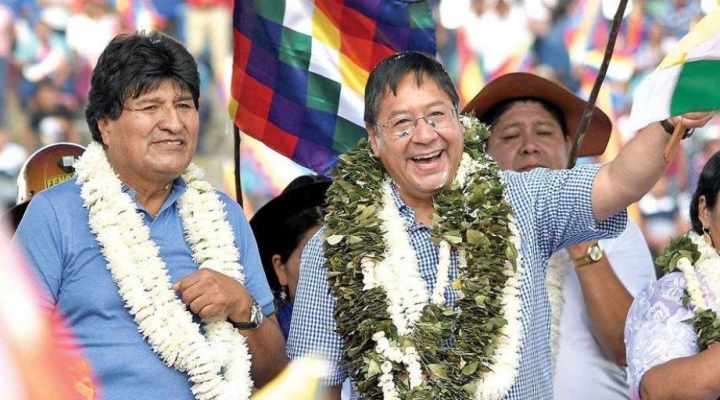
Evo Morales and Luis Arce. Photo: EFE
Meetings of the Movement for Socialism (MAS) used to be boring affairs. Not anymore. Nowadays, they explode into brawls, with bottles and chairs flying overhead before being dispersed with tear gas.
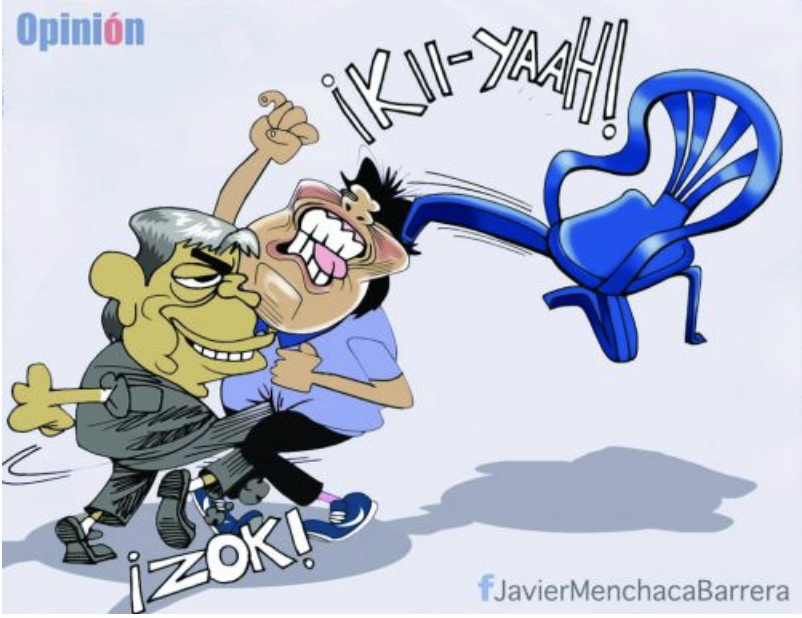
This change reflects a rift at the top of Bolivia’s ruling party, where President Luis Arce and former President Evo Morales are vying to lead MAS into next year’s elections. This has paralyzed the government, divided the indigenous and labor groups that form the party’s base, and given the opposition its first real chance at power in almost 20 years.
In 2005, Morales led MAS to win the first majority in Bolivian politics since the country returned to democracy in 1982. In the following election, he won a supermajority in congress. MAS has governed Bolivia for all but one year since then. Morales, a former coca grower who expelled the United States Drug Enforcement Agency (DEA) from Bolivia, became an icon of the left.
This dominance cracked in 2019 when Morales ran for an unconstitutional third consecutive term. He won, but allegations of fraud sparked protests. The military asked Morales to resign, which he did, and he went into exile. An interim government took control for a year—a power transition that MAS now views as a coup—before MAS returned to power under Arce, Morales’s chosen candidate, in 2020. Morales returned to Bolivia with his eyes on the 2025 elections.
It soon became clear that Arce wanted to stay in power. Morales has the support of his former ministers and rural worker unions. Arce, lacking Morales’s charisma, controls the state and its largesse. Until recently, many Bolivians saw Arce as the economically prudent choice due to strong growth during his tenure as finance minister under Morales and low inflation since he became president. But a faltering economy is changing that.
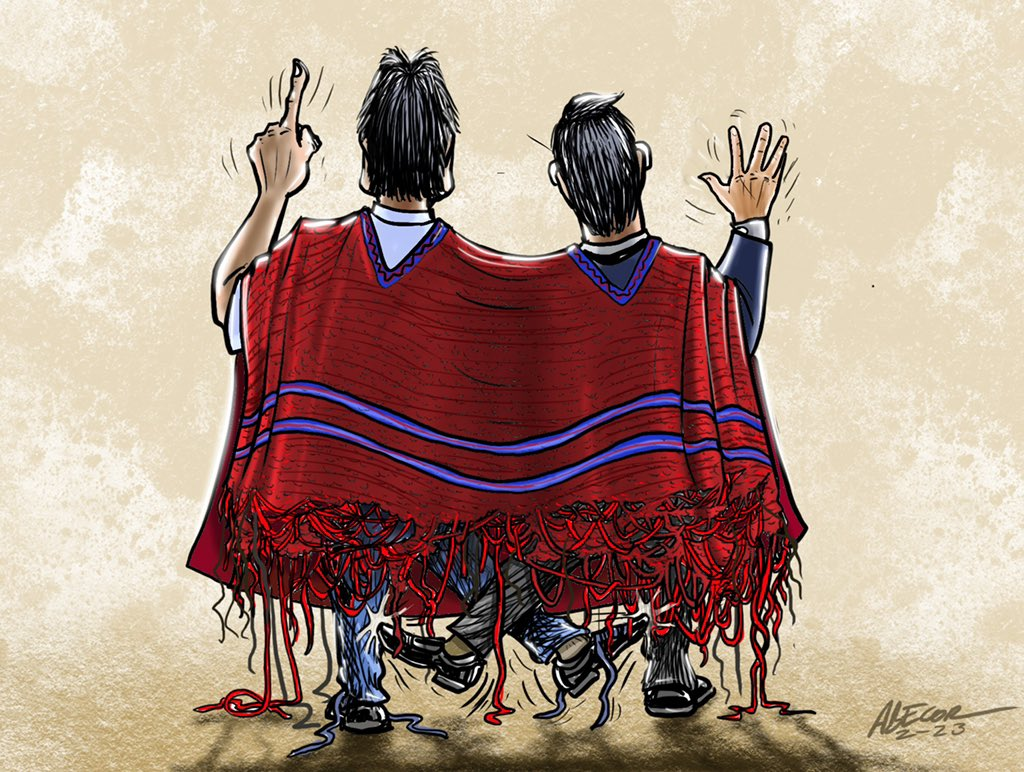
The infighting has paralyzed the government. Arce cannot count on the votes of legislators loyal to Morales. This limits his response to an economic crisis stemming from the depletion of Bolivia’s foreign currency reserves. He has struggled to secure legislative approval for loans from multilateral development banks and cannot pass a law allowing foreign companies to extract Bolivian lithium. A collapse would destroy Arce’s reputation.
Attempts at reconciliation, such as holding a national party congress, have failed; Arce and Morales each held their own congress and denied the other’s legitimacy. Morales has challenged Arce to compete with him in primaries, but the government insists that the constitution bars Morales from running. Morales warns of “convulsion” in Bolivia if he is disqualified.
The opposition smells an opportunity. Carlos Mesa, a former president, might run again for Comunidad Ciudadana, a coalition of centrists. Luis Fernando Camacho, in preventive detention for his alleged role in the 2019 “coup,” might run for Creemos, a right-wing party. Many others have joined the race, all calling to unite the opposition. None of them seem to excite voters. Only Morales and Arce can keep MAS out of power.
© 2024, The Economist Newspaper Limited. All rights reserved.
Por The Economist:
Evo Morales y Luis Arce. Foto: EFE
Las reuniones del Movimiento al Socialismo(MAS) solían ser asuntos soporíferos. Ya no más. Hoy en día estallan en peleas, con botellas y sillas volando por encima de la refriega, antes de ser dispersadas con gas lacrimógeno.
El cambio refleja una grieta en la cúpula del partido gobernante de Bolivia, donde el presidente Luis Arce y Evo Morales, un ex mandatario, están luchando por liderar el MAS en las elecciones del próximo año. Ha paralizado al gobierno, dividido a los grupos indígenas y laborales que forman la base del partido y ofrecido a la oposición su primera oportunidad de poder real en casi 20 años.
En 2005, Morales llevó al MAS a ganar la primera mayoría en la política boliviana desde que el país regresó a la democracia en 1982. En la siguiente elección ganó una supermayoría en el congreso. El MAS ha gobernado Bolivia durante todos los años, excepto uno, desde entonces. Morales, un ex productor de coca que expulsó a la Agencia Antidrogas de Estados Unidos (DEA) de Bolivia, se convirtió en un ícono de la izquierda.
La hegemonía se resquebrajó en 2019 cuando Morales se postuló para un tercer mandato consecutivo inconstitucional. Ganó, pero las acusaciones de fraude desencadenaron protestas. El ejército pidió a Morales que renunciara, lo cual hizo, y se exilió. Un gobierno interino tomó el control durante un año —una transición de poder que el MAS ahora ve como un golpe— antes de que el MAS regresara al poder bajo el mando de Arce, el candidato elegido por Morales, en 2020. Morales regresó a Bolivia, con la vista puesta en las elecciones de 2025.
Pronto quedó claro que Arce quería permanecer en el poder. Morales cuenta con el apoyo de sus exministros y sindicatos de trabajadores rurales. Arce, que carece del carisma de Morales, controla el estado y su generosidad. Hasta hace poco, muchos bolivianos consideraban a Arce la elección económica prudente, debido al fuerte crecimiento mientras fue ministro de finanzas bajo el mando de Morales y a la baja inflación desde que se convirtió en presidente. Pero una economía tambaleante está cambiando eso.
La lucha ha paralizado al gobierno. Arce no puede contar con los votos de los legisladores leales a Morales. Esto limita su respuesta a una crisis económica derivada del agotamiento de las reservas de divisas de Bolivia. Ha tenido dificultades para obtener la aprobación legislativa para tomar préstamos de bancos multilaterales de desarrollo, y no puede aprobar una ley que permita a empresas extranjeras extraer litio boliviano. Un colapso destruiría la reputación de Arce.
Los intentos de reconciliación, como la realización de un congreso nacional del partido, han fracasado; Arce y Morales celebraron cada uno su propio congreso y negaron la legitimidad del otro. Morales ha desafiado a Arce a competir con él en primarias, pero el gobierno insiste en que la constitución prohíbe a Morales postularse. Morales advierte de una “convulsión” en Bolivia si es descalificado.
La oposición huele una oportunidad. Carlos Mesa, un expresidente, bien podría postularse nuevamente por Comunidad Ciudadana, una coalición de centristas. Luis Fernando Camacho, en detención preventiva por un presunto papel en el “golpe” de 2019, podría postularse por Creemos, un partido de derecha. Muchos otros se han unido a la carrera, todos llamando a unir a la oposición. Ninguno de ellos parece entusiasmar a los votantes. Solo Morales y Arce pueden mantener al MAS fuera del poder.
© 2024, The Economist Newspaper Limited. All rights reserved.

 Bolivian Thoughts | Pensamientos Bolivianos (Bilingual/Bilingüe)