
Editorial, El Deber:
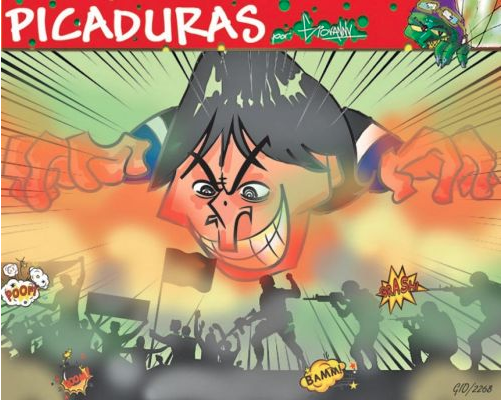
In the complex political landscape of Bolivia, the figure of former president Evo Morales has become a prominent protagonist and opponent, since his former Minister of Economy Luis Arce assumed the Presidency. The recent decision of the Plurinational Constitutional Court (TCP) to annul the indefinite presidential re-election has marked a milestone, leaving Morales out of the electoral race for 2025, which has triggered a series of protests, announcements of blockades and seizures of headquarters that have shaken stability.
Evo Morales, who ruled Bolivia for almost 14 years, has been a polarizing figure from the beginning. His leadership was marked by significant advances in terms of social inclusion and economic development, but also by accusations of authoritarianism, corruption, violation of human rights and manipulation of the electoral and judicial system to perpetuate himself in power. The TCP’s decision to end indefinite reelection has led Morales to adopt more aggressive tactics in his quest to return to power, generating tensions that deeply affect the country’s stability.
Morales’ followers want to go beyond simple political opposition, without taking into account that they provoke a climate of confrontation that threatens the social peace of all Bolivians, not just those close to Arce. It is crucial to highlight that, although protest is a fundamental right in any democracy, its excessive instrumentalization can undermine stability and governability, affecting citizens and hindering the development of the country, which is going through a complicated economic situation due to lack of resources.
Limiting presidential re-election seeks to preserve democratic principles and avoid the consolidation of power concentrated in a single figure. However, Morales’ reaction highlights the resistance of some political leaders to accepting the end of his stay in power. It is essential that the Bolivian political class, as a whole, seek peaceful and constructive ways to resolve these differences, without compromising the stability of the country or undermining confidence in democratic institutions.
Bolivia’s political history has been marked by moments of turbulence and change, and the current situation is no exception. However, it is imperative that political leaders prioritize the well-being of the country over their personal ambitions. Building consensus and respect for democratic institutions are essential to guarantee a stable and prosperous future.
Bolivia faces a crucial period of political redefinition and it is necessary for the actors involved, both from the ruling party and the opposition, to seek genuine dialogue to find solutions that benefit the entire society. Citizens deserve a fair, transparent and conflict-free electoral process, where the popular will can be expressed without obstacles or pressure, in which proposals and constructive debate flow without fear.
Evo Morales, who always confesses himself concerned about the development of the country, should think that Bolivians need peace to work and get ahead, not continue to witness the constant confrontation that scares away investments and ventures, plunging people even further into poverty. which he claims to represent.
En el complejo panorama político de Bolivia, la figura del exmandatario Evo Morales se ha convertido en un protagonista y opositor destacado, desde que asumiera su exministro de Economía Luis Arce la Presidencia. La reciente decisión del Tribunal Constitucional Plurinacional (TCP) de anular la reelección presidencial indefinida ha marcado un hito, dejando a Morales fuera de la contienda electoral para 2025, lo que ha desencadenado una serie de protestas, anuncios de bloqueos y tomas de sedes que han agitado la estabilidad.
Evo Morales, quien gobernó Bolivia durante casi 14 años, ha sido una figura polarizante desde el principio. Su liderazgo estuvo marcado por avances significativos en términos de inclusión social y desarrollo económico, pero también por acusaciones de autoritarismo, corrupción, vulneración de derechos humanos y manipulación del sistema electoral y judicial para perpetuarse en el poder. La decisión del TCP de poner fin a la reelección indefinida ha llevado a Morales a adoptar tácticas más agresivas en su búsqueda por retornar al poder, generando tensiones que afectan profundamente la estabilidad del país.
Los seguidores de Morales quieren ir más allá de la simple oposición política, sin tomar en cuenta que provocan un clima de confrontación que amenaza la paz social de todos los bolivianos, no solo de los afines a Arce. Es crucial destacar que, si bien la protesta es un derecho fundamental en cualquier democracia, su instrumentalización excesiva puede socavar la estabilidad y la gobernabilidad, afectando a la ciudadanía y obstaculizando el desarrollo del país, que atraviesa una complicada situación económica por falta de recursos.
Limitar la reelección presidencial busca preservar los principios democráticos y evitar la consolidación de un poder concentrado en una sola figura. Sin embargo, la reacción de Morales pone de manifiesto la resistencia de algunos líderes políticos a aceptar el fin de su permanencia en el poder. Es esencial que la clase política boliviana, en su conjunto, busque vías pacíficas y constructivas para resolver estas diferencias, sin comprometer la estabilidad del país ni socavar la confianza en las instituciones democráticas.
La historia política de Bolivia ha estado marcada por momentos de turbulencia y cambio, y la actual coyuntura no es una excepción. Sin embargo, es imperativo que los líderes políticos prioricen el bienestar del país sobre sus ambiciones personales. La construcción de consensos y el respeto a las instituciones democráticas son fundamentales para garantizar un futuro estable y próspero.
Bolivia se enfrenta a un periodo crucial de redefinición política y es necesario que los actores involucrados, tanto del oficialismo como de la oposición, busquen un diálogo genuino para encontrar soluciones que beneficien a toda la sociedad. La ciudadanía merece un proceso electoral justo, transparente y libre de conflictos, donde la voluntad popular pueda expresarse sin obstáculos ni presiones,en el que las propuestas y el debate constructivo fluya sin temor.
Evo Morales que siempre se confiesa preocupado por el desarrollo del país, debiera pensar que los bolivianos necesitan paz para trabajar y salir adelante, no continuar siendo testigos de la confrontación constante que ahuyenta las inversiones y emprendimientos, sumiendo todavía más en la pobreza a la gente que él dice representar.
https://eldeber.com.bo/edicion-impresa/esta-evo-morales-contra-el-pais_353542


 Bolivian Thoughts | Pensamientos Bolivianos (Bilingual/Bilingüe)