By Oscar Antezana:
Bolivia seems condemned to search for its future beneath the ground. When one resource runs out, we hope to find another. When dollars are scarce, we dream of new deposits. And when we urgently need jobs, investment, and exports, we turn our eyes underground once again. As if economic development depended on a drilling rig!
On Friday, October 9, in Tarija, President Rodrigo Paz stated that Bolivia has extraordinary gas reserves. The news appeared the following day in El Día, a newspaper published in Santa Cruz. Perhaps the President has no message to convey to the public because there is nothing to say—in other words, no results to show. All we hear are announcements of future projects and reports about meetings, but nothing concrete that benefits the country. To make matters worse, the announcement about gas sounds like demagoguery taken to the extreme: Extraordinary reserves? Where are they? How many trillion cubic feet? Who certified them? How much would it cost to extract them? When would we start receiving dollars?
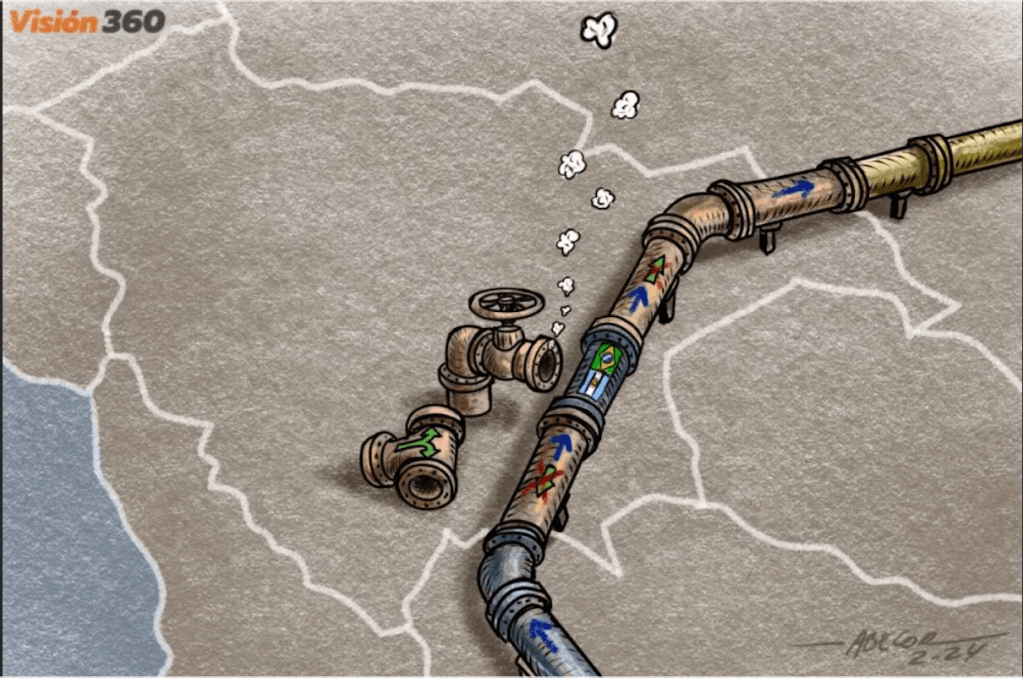
What is pathetic is not that Bolivia is looking for gas. It is that, after so many decades of dependence on extractive industries, its President is once again presenting what lies beneath the ground as a great promise of prosperity. One thing is to suspect that gas exists; another is to discover it; another is to prove that it can be extracted profitably; and quite another is to turn it into exports. Exploration, drilling, and infrastructure can take five, seven, or more years. That is assuming we find enough gas in the first place. And what do we do in the meantime? Sit around waiting beside an empty gas pipeline?
Our economic history sounds like a broken record. First silver, then tin, and later gas. The resources, governments, and speeches change, but we keep repeating the same hope: that the next natural resource windfall will lift us out of poverty. Gas brought us billions of dollars. And what did we do with them? We failed to diversify our economy sufficiently. We did not build an export base capable of replacing that income. When the boom ended, we discovered that we were still vulnerable.
What is truly worrying is not the shortage of gas. It is the shortage of an economic vision that goes beyond gas. A statesman does not wait for geology to solve his country’s problems. He creates opportunities, mobilizes investment, opens markets, and turns productive capabilities into wealth.
Bolivia has extraordinary tourist destinations. The Uyuni Salt Flats, the Amazon, the Jesuit missions, and our cultures are waiting for visitors. Tourism can generate foreign currency and jobs, from small businesses to major investments. We do not need to discover another salt flat! We already have an agro-industrial sector with experience, productive land, and opportunities to export higher-value processed foods. We have rivers and lakes with the potential to develop commercial fish farming, produce food, and enter new markets. We do not need to drill three thousand meters underground to find fish, either! These sectors require infrastructure, investment, and clear rules. But many measures can begin tomorrow: removing bureaucratic obstacles, facilitating private investment, opening markets, and promoting our products and destinations internationally.
I am not proposing that we abandon gas. If commercially viable deposits exist, let us explore them. What we must abandon is the mindset of waiting for another extractive miracle.
President Paz, Bolivia does not need another extraordinary announcement about wealth buried underground. It needs extraordinary results in tourism, agro-industry, fish farming, and new exports.
Gas may lie beneath our feet. But Bolivia’s economic future must not remain buried with it.
Por Oscar Antezana Malpartida:
Bolivia parece condenada a buscar su futuro debajo de la tierra. Cuando se agota un recurso, esperamos encontrar otro. Cuando faltan dólares, soñamos con nuevos yacimientos. Y cuando necesitamos urgentemente empleos, inversiones y exportaciones, volvemos a mirar hacia el subsuelo. ¡Como si el desarrollo económico dependiera de una perforadora!
El viernes 9 de octubre, en Tarija, el presidente Rodrigo Paz afirmó que Bolivia tiene reservas extraordinarias de gas. La noticia apareció al día siguiente en El Día de Santa Cruz. Será que el Presidente no tiene ningún mensaje que transmitir a la población porque no hay nada que decir; es decir, no hay resultados. Todos son anuncios de proyectos para el futuro, noticas sobre reuniones, pero nada en concreto que beneficie al país. Para colmo, la noticia sobre el gas parecería demagogia al extremo: ¿Reservas extraordinarias? ¿Dónde están? ¿Cuántos trillones de pies cúbicos? ¿Quién las certificó? ¿Cuánto costaría extraerlas? ¿Cuándo comenzaríamos a recibir dólares?
Lo patético no es que Bolivia busque gas. Es que, después de tantas décadas de dependencia extractiva, su Presidente vuelva a presentar el subsuelo como una gran promesa de prosperidad. Una cosa es sospechar que existe gas; otra, descubrirlo; otra, demostrar que puede explotarse rentablemente; y otra muy distinta, convertirlo en exportaciones. Entre exploración, perforaciones e infraestructura pueden transcurrir cinco, siete o más años. Eso, suponiendo que encontremos suficiente gas. ¿Y mientras tanto? ¿Esperamos sentados sobre un gasoducto vacío?
Nuestra historia económica parece un disco rayado. Primero la plata, después el estaño, luego el gas. Cambian los recursos, los gobiernos y los discursos, pero repetimos la misma esperanza: que la próxima riqueza natural nos saque de la pobreza. El gas nos proporcionó miles de millones de dólares. ¿Y qué hicimos? No diversificamos suficientemente nuestra economía. No construimos una base exportadora capaz de sustituir esos ingresos. Cuando se acabó la bonanza, descubrimos que seguíamos siendo vulnerables.
Lo verdaderamente preocupante no es la escasez de gas. Es la escasez de una visión económica que vaya más allá del gas. Un estadista no espera que la geología resuelva los problemas de su país. Construye oportunidades, moviliza inversiones, abre mercados y transforma capacidades productivas en riqueza.
Bolivia tiene destinos turísticos extraordinarios. El Salar de Uyuni, la Amazonía, las misiones jesuíticas y nuestras culturas están esperando visitantes. El turismo puede generar divisas y empleos desde pequeños emprendimientos hasta grandes inversiones. ¡No necesitamos descubrir otro Salar! Tenemos una agroindustria con experiencia, tierras productivas y oportunidades para exportar alimentos procesados de mayor valor agregado. Tenemos ríos y lagunas con potencial para desarrollar piscicultura comercial, producir alimentos y abrir nuevos mercados. ¡Tampoco necesitamos perforar tres mil metros para encontrar peces! Estos sectores requieren infraestructura, inversión y reglas claras. Pero muchas medidas pueden comenzar mañana: eliminar trabas, facilitar inversiones privadas, abrir mercados y promover internacionalmente nuestros productos y destinos.
No propongo abandonar el gas. Si existen yacimientos rentables, que se exploren. Lo que debemos abandonar es la mentalidad de esperar otro milagro extractivo.
Presidente Paz: Bolivia no necesita otro anuncio extraordinario sobre riquezas enterradas. Necesita resultados extraordinarios en turismo, agroindustria, piscicultura y nuevas exportaciones.
El gas puede estar bajo nuestros pies. Pero el futuro económico de Bolivia no puede seguir enterrado con él.


Leave a Reply