By El Deber:

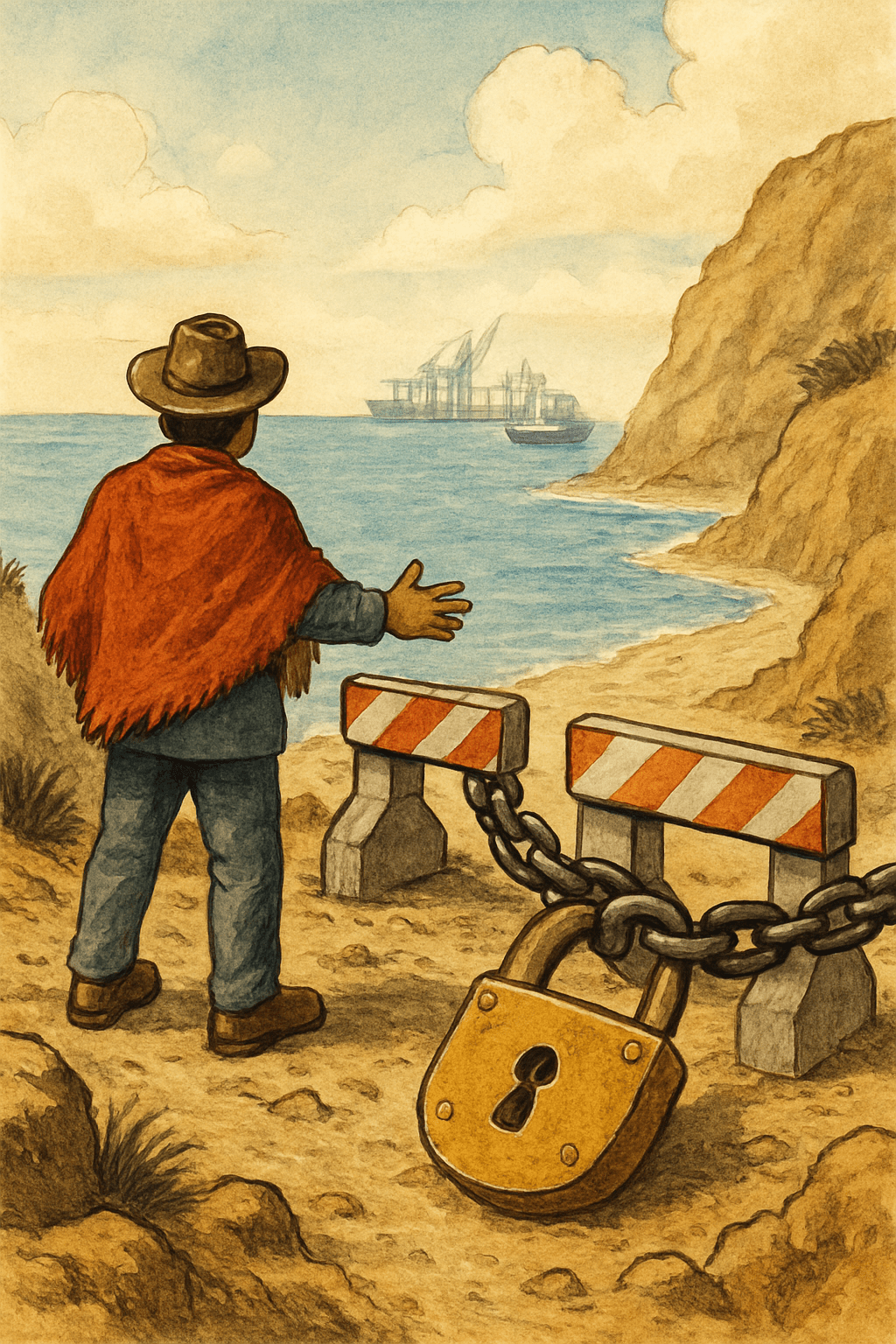
The dispute over Bolivian timber detained in Chile has gone on for nearly four months without a final resolution. Photo: Internet
Business leaders warn of losses and shrinking markets. The Foreign Ministry reports diplomatic efforts; Hernani calls for consular protection, while Quiroga demands compensation for damages caused to Bolivia
Following the latest burning of Bolivian timber detained in Chile, exporters have warned about the impact on sales, markets, and jobs. Fernando Calderón, director of the La Paz Exporters Chamber, stated that as much as 90% of timber exports have been halted since March. Gisela Morales, manager of the National Chamber of Exporters of Bolivia, reported losses exceeding US$30 million between January and July, along with a reduction in export markets from 32 to 10. These estimates include commercial damages and do not correspond solely to the value of the destroyed shipments.
Business leaders are asking that the timber not be destroyed before new expert examinations can be carried out to determine whether it was actually impregnated with drugs. Although Chilean prosecutors maintain that their analyses detected illicit substances, exporters argue that this finding does not prove deliberate contamination of the shipments.
Gary Rodríguez, general manager of the Bolivian Institute of Foreign Trade (IBCE), called for international legal and diplomatic intervention. He denounced that companies were unable to obtain samples for independent testing and claimed that incineration continued despite a prosecutorial order suspending it.
“What they are doing in Chile with Bolivian timber is an injustice,” he said. The institution estimates damages of US$15 million and impacts on 20 export markets. Rodríguez invoked the 1904 Treaty and the World Trade Organization’s Trade Facilitation Agreement, arguing that export goods in transit should be protected.
In response to reports of timber burnings on September 30, Bolivia’s Foreign Ministry issued a statement. It reported that the Regional Prosecutor’s Office of Arica and Parinacota had ordered a temporary halt to the destruction of the seized and already analyzed timber while pending requests concerning certain shipments are resolved.
The ministry requested that samples be preserved for additional testing and stated that it is carrying out diplomatic efforts. However, it did not explain what happened after the suspension order, whether compliance had been verified, or what response had been received from Chile. It also did not detail any consular protection measures or confirm the new burnings reported by exporters.
Diplomat Windsor Hernani criticized that response.
“The Foreign Ministry should react firmly, in accordance with the law, and in a timely manner,” he said. He proposed consular protection for those affected and state-to-state diplomatic action to obtain official information regarding the shipments and the suspension order.
Hernani warned that a lack of action could damage bilateral relations. He also suggested that international avenues might be available in the event of documented rights violations and damages. However, he did not announce that any lawsuit had been filed, nor that state responsibility had been established.
Jorge “Tuto” Quiroga, national leader of Libre, expressed support for the parliamentary delegation investigating the case in Arica. He cited reports by James Craig Kuykendall and Scott Richard Oulton to question the feasibility of impregnating timber with drugs, discrepancies among analyses, and the accreditation of the laboratory involved. These concerns do not constitute judicial conclusions.
Quiroga called for the accusations to be substantiated and for those responsible to be prosecuted if evidence of drug trafficking exists.
“If any Bolivian sent even one gram of cocaine, I would be the first to demand prosecution,” he said.
If the reports questioning the evidence are confirmed and the accusations prove unsupported, he demanded a correction, the return of the timber, public apologies, and financial compensation. He also called for guarantees from the Chilean state.
His demand for compensation is conditional. Exporters continue to call for preservation of the timber so that testing results can be compared and for clarity on how the government will protect their rights.
Por El Deber:
El conflicto por la madera boliviana retenida en Chile lleva casi cuatro meses sin una salida final. Foto: Internet
Empresarios alertan por pérdidas y mercados cerrados. Cancillería informa gestiones; Hernani pide protección consular y Quiroga exige reparar el daño a Bolivia
Tras la última quema de madera retenida en Chile, los exportadores bolivianos alertan sobre el daño a sus ventas, mercados y empleos. Fernando Calderón, director de la Cámara de Exportadores de La Paz, afirmó que hasta un 90% de las exportaciones se frenó desde marzo. Gisela Morales, gerente de la Cámara Nacional de Exportadores de Bolivia, reportó pérdidas superiores a $us 30 millones entre enero y julio y una reducción de mercados de 32 a 10. Son estimaciones que incluyen perjuicios comerciales y no equivalen solo al valor de las cargas destruidas.
Los empresarios piden que la madera no sea destruida antes de realizar nuevas pericias que permitan esclarecer si fue impregnada con droga. Aunque la Fiscalía chilena asegura que sus análisis detectaron sustancias ilícitas, los exportadores sostienen que ese hallazgo no demuestra una impregnación deliberada de los cargamentos.
El gerente general del Instituto Boliviano de Comercio Exterior, Gary Rodríguez, pidió una intervención jurídica internacional y diplomática. Denunció que las empresas no pudieron obtener muestras para peritajes independientes y aseguró que continuó la incineración pese a una disposición fiscal de suspensión.
“Lo que están haciendo en Chile con las maderas bolivianas es una iniquidad”, afirmó. La entidad estima un daño de $us 15 millones y afectación de 20 mercados. Rodríguez invocó el Tratado de 1904 y el Acuerdo de Facilitación del Comercio de la Organización Mundial del Comercio, al reclamar garantías para las exportaciones en tránsito.
Ante las denuncias de quemas del 30 de septiembre, la Cancillería respondió con un comunicado. Informó que la Fiscalía Regional de Arica y Parinacota había dispuesto detener temporalmente la destrucción de la madera incautada y ya analizada, mientras resuelve solicitudes pendientes sobre algunas cargas.
El ministerio pidió conservar las muestras para nuevas verificaciones y aseguró que realiza gestiones diplomáticas. Pero no explicó qué ocurrió después de esa suspensión, si comprobó que se cumple ni qué respuesta recibió de Chile. Tampoco detalló medidas de protección consular ni confirmó las nuevas quemas denunciadas por los empresarios.
El diplomático Windsor Hernani cuestionó esa respuesta. “La Cancillería debería reaccionar de manera firme, apegada al derecho, de manera oportuna”, sostuvo. Planteó protección consular para los afectados y una gestión de Estado a Estado que obtenga información oficial sobre las cargas y la suspensión.
Hernani advirtió que la falta de acción puede deteriorar las relaciones bilaterales. También consideró posibles vías internacionales por eventuales vulneraciones de derechos y daños documentados. No anunció una demanda presentada ni una responsabilidad estatal ya establecida.
Jorge Tuto Quiroga, jefe nacional de Libre, respaldó a la delegación parlamentaria que investiga el caso en Arica. Citó los informes de James Craig Kuykendall y Scott Richard Oulton, para cuestionar la posibilidad de impregnar la madera, discrepancias entre análisis y la acreditación del laboratorio. Son cuestionamientos que no constituyen conclusiones judiciales.
Quiroga pidió sustentar la acusación y procesar a los responsables si existe evidencia de narcotráfico. “Si algún boliviano mandó un gramo de cocaína, soy el primero en pedir que se lo procese”, afirmó. Si se corroboran los informes que cuestionan las pruebas y no hay sustento, exigió rectificación, devolución de la madera, disculpas y resarcimiento económico. También demandó garantías al Estado chileno.
Su reclamo de reparación es condicional. Los exportadores piden conservar el material para contrastar las pruebas y conocer cómo el Gobierno protegerá sus derechos.
https://eldeber.com.bo/economia/dano-exportadores-madera-activa-reclamos-chile-gobierno_1790938728


Leave a Reply