By ABI:
Oruro’s La Diablada Launches Plan to Defend Its History and Heritage Against Cultural Appropriation
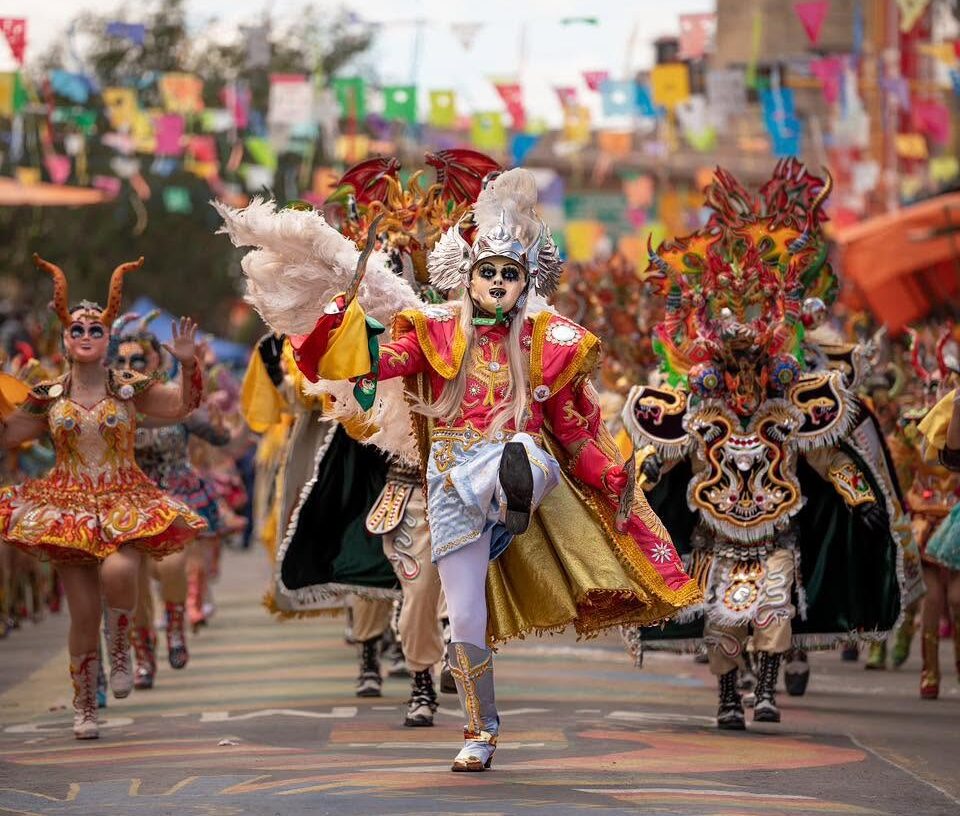
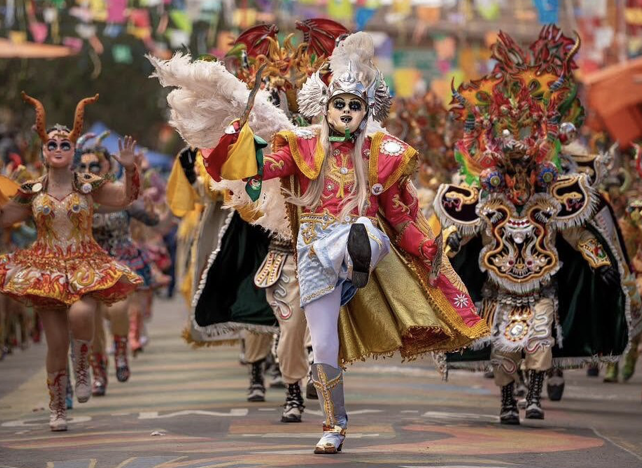
The Diablada dance during the Oruro Carnival, recognized by UNESCO as a Masterpiece of the Oral and Intangible Heritage of Humanity. | Photo: FALCDS.
Oruro, November 3, 2026 (ABI).– Amid masks with fiery eyes, twisted horns, elaborate embroidery that tells stories, and dance steps repeated to the rhythm of music, the Diablada preserves centuries of cultural memory and identity. To protect this legacy against attempts at cultural appropriation, the Artistic and Cultural Fraternity “La Diablada” (FALCD) has begun developing a Safeguarding Plan that will document its history and contributions to one of the emblematic dances of the Oruro Carnival.
The initiative seeks to bring together the various people involved in this folkloric tradition to identify the risks it faces, substantiate its historical background, and establish concrete protection measures. The effort also aims to contribute to the collective safeguarding process of the Oruro Carnival, recognized by the United Nations Educational, Scientific and Cultural Organization (UNESCO) as a Masterpiece of the Oral and Intangible Heritage of Humanity.
“We believe it is necessary to develop our own plan, not as an isolated effort, but as a contribution to the collective safeguarding process. Our goal is to recognize our cultural richness, identify the challenges it faces, and establish concrete actions to ensure this legacy is passed on to future generations, keeping its essence and its connection to devotion to the Virgin of Socavón alive,” explained Miguel Ángel Foronda, head of the fraternity’s Cultural Unit.
The historian and researcher recalled that the institution was among those that contributed to the process of having the Oruro Carnival proclaimed a World Heritage event. Now, under the presidency of Edson Orellana Castillo, it has taken on the responsibility of promoting this new initiative through its Cultural Unit.
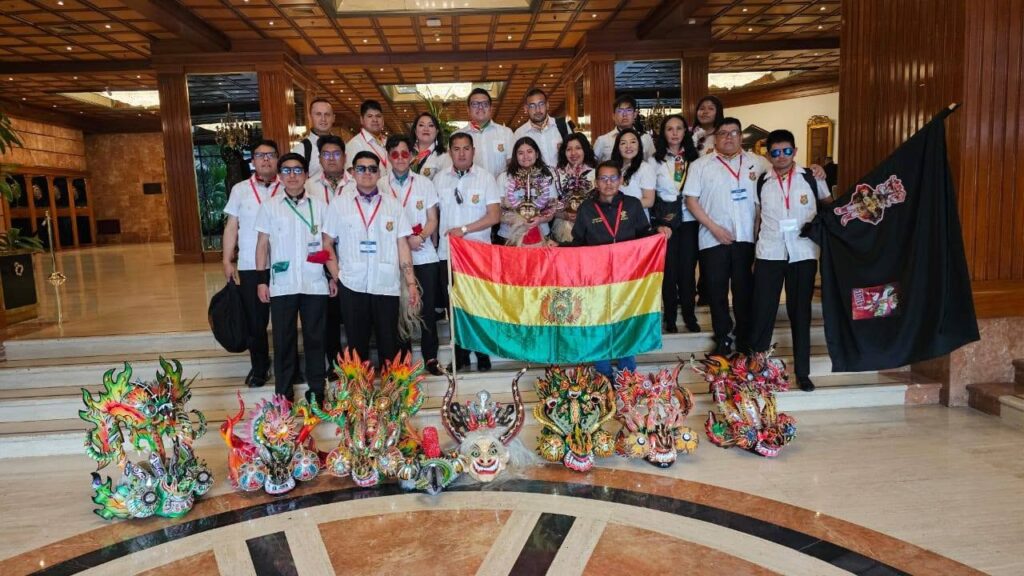
The proposal is based on the principles of UNESCO’s 2003 Convention for the Safeguarding of the Intangible Cultural Heritage. Its development includes identifying, documenting, researching, protecting, promoting, and transmitting the knowledge and practices that sustain the dance.
A history that needs to be documented
The FALCD, which has an 82-year history, considers one of its main challenges to be gathering the evidence needed to reconstruct and understand the evolution of the Diablada, recognize the contributions of those who shaped it, and preserve the knowledge passed down from generation to generation.
To achieve this, it plans to conduct fieldwork involving dancers, current and former leaders, researchers, mask makers, embroiderers, musicians, and other people associated with the institution.
The preliminary stage has already begun with a virtual discussion that brought together researcher David Aruquipa and anthropologist and researcher Johnny Guerreros. Their exchange helped strengthen the initial guidelines that will guide the process.
Following consultations and the collection of testimonies, the institution plans to organize the information, draft the document, and present it to its members for consideration and approval.
The research will also seek to explore the various cultural influences behind the dance. Its history reflects a complex process in which the ritual practices of the region’s Indigenous peoples, transformations during the colonial period, and elements of Catholic tradition came together.
Among the stories that form part of Oruro’s cultural and religious imagination are the legend of the four plagues — the ant, lizard, snake, and toad — and the accounts associated with Chiru Chiru and Nina Nina. These stories reflect the cultural encounters and transformations that helped shape the identity of the Diablada and its connection to the Virgin of Socavón.
Foronda noted that several sources can help deepen understanding of this history, including historical artifacts at the Eduardo López Rivas Anthropological Museum, artisans’ collections, and documents, photographs, costumes, and relics preserved by families connected to the tradition.
“One of the challenges of safeguarding this heritage is to gather, document, and study this evidence so that we can better understand the dance’s evolution, recognize the contributions of its participants, and pass this legacy on to new generations,” he added.
The contributions that shaped the dance’s identity
The fraternity maintains that the Diablada is a living heritage that has evolved alongside social, economic, and cultural changes without losing the elements that define its identity.
In the case of this institution, Foronda highlighted three fundamental aspects: ritual practices, devotion to the Virgin of Socavón, and the portrayal of the story of the seven deadly sins. The latter follows its own script, which has been used since the 1940s and was developed based on the narrative already performed by the Gran Tradicional Auténtica Diablada Oruro.
The institution also introduced choreographic contributions to the traditional structure of the dance, incorporating both stationary sequences and movements across the performance area. During the second half of the 20th century, it added elements such as stylized cueca, cacharpaya, and the so-called carnavalito.
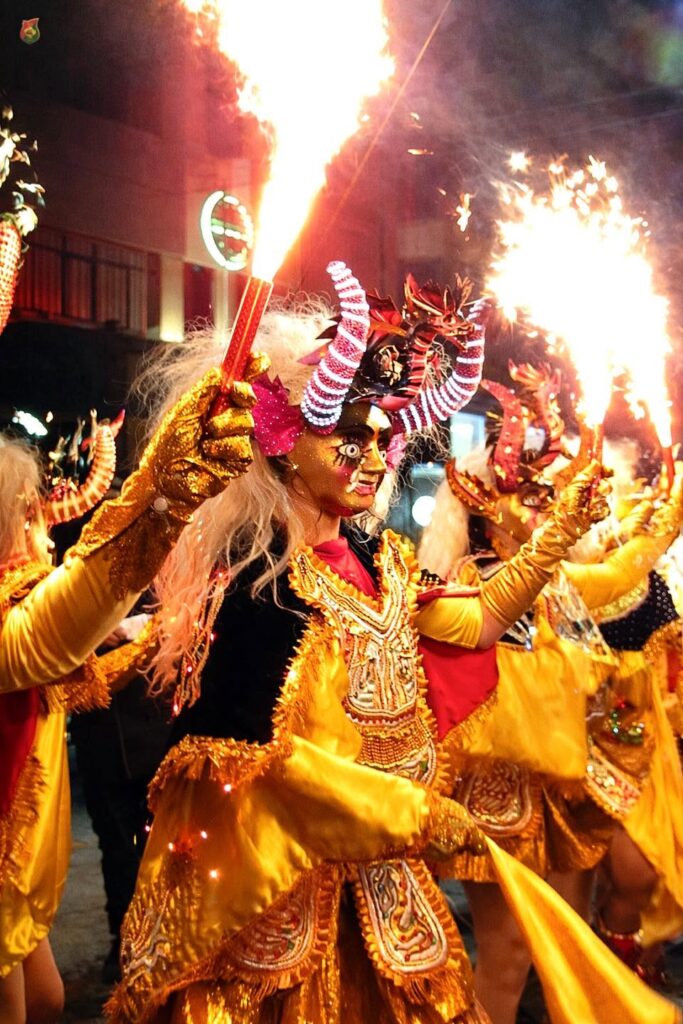
Social changes and the increased participation of women led to the introduction of characters such as the diablesa (female devil) and china diabla. Other figures, including the ñaupa diablo and the tío de la mina (mine uncle), were also incorporated.
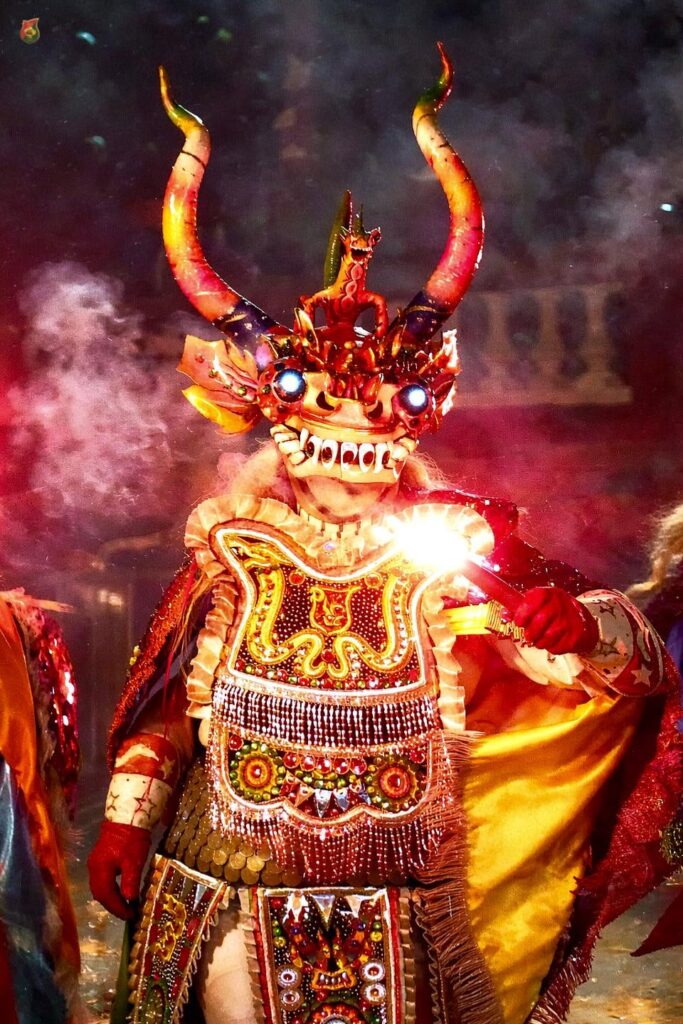
The costumes likewise reflect this evolution, featuring elements such as embroidered central handkerchiefs and double-sided handkerchiefs on the sides, masks with twisted horns, the revival of the traditional face mask, and the addition of spurs to the chinas diablas.
These contributions and transformations are among the elements the fraternity seeks to collect and document through its Safeguarding Plan.
Research as a response to cultural appropriation
Foronda believes that disputes over intellectual property and international cultural appropriation pose challenges to preserving the Diablada, particularly when its historical development and connection to Oruro and the carnival are overlooked or misrepresented.
These controversies can involve the origins of the dance, its characters, music, costumes, and other elements that form part of its identity. In response, the institution considers it essential to strengthen historical research, gather documentation, and disseminate sources that substantiate the dance’s historical background and cultural contributions.
The researcher also emphasized the need to promote recognition of the origins of cultural expressions and respect for the communities and groups that keep them alive.
From this perspective, he stressed that safeguarding efforts should contribute to recognizing historical traditions and protecting cultural heritage, rather than becoming an instrument of confrontation between peoples.
“As the Artistic and Cultural Fraternity La Diablada, we accept the challenge of documenting and sharing our history, contributing to the safeguarding of one of the most emblematic expressions of the Oruro Carnival,” Foronda added.
//MPC/EO
Por ABI:
La Diablada de Oruro activa un plan para defender su historia y patrimonio frente a la apropiación cultural
La danza de la diablada en el Carnaval de Oruro, reconocido por la Unesco como Obra Maestra del Patrimonio Oral e Intangible de la Humanidad. | Foto: FALCDS.
Oruro, 3 de noviembre de 2026 (ABI).– Entre máscaras de ojos encendidos, cuernos retorcidos, bordados que cuentan historias y pasos que se repiten al ritmo de la música, la diablada guarda siglos de memoria e identidad cultural. Para proteger ese legado de los intentos de apropiación cultural, la Fraternidad Artística y Cultural “La Diablada” (FALCD) emprendió la elaboración de un Plan de Salvaguardia que documentará su historia y sus aportes a una de las danzas emblemáticas del Carnaval de Oruro.
La iniciativa busca reunir a los diversos protagonistas de esta manifestación folklórica para identificar los riesgos que enfrenta, respaldar sus antecedentes históricos y establecer acciones concretas de protección. El trabajo también pretende aportar al proceso colectivo de salvaguardia del Carnaval de Oruro, reconocido por la Organización de las Naciones Unidas para la Educación, la Ciencia y la Cultura (Unesco) como Obra Maestra del Patrimonio Oral e Intangible de la Humanidad.
“Consideramos necesario desarrollar nuestro propio plan, no como un esfuerzo aislado, sino como una contribución al proceso colectivo de salvaguardia. El propósito es reconocer nuestra riqueza cultural, identificar los desafíos que enfrenta y establecer acciones concretas que permitan transmitir este legado a las futuras generaciones, manteniendo viva su esencia y su vínculo con la devoción a la Virgen del Socavón”, explicó el responsable de la Unidad de Cultura de la fraternidad, Miguel Ángel Foronda.
El historiador e investigador recordó que la institución fue una de las que contribuyó al proceso de proclama del Carnaval de Oruro como patrimonio de la humanidad. Ahora, bajo la presidencia de Edson Orellana Castillo, asumió la responsabilidad de impulsar este nuevo proceso, a cargo de su Unidad de Cultura.
La propuesta se enmarca en los principios de la Convención de la Unesco de 2003 para la Salvaguardia del Patrimonio Cultural Inmaterial. Su elaboración contempla la identificación, documentación, investigación, protección, promoción y transmisión de los conocimientos y prácticas que sostienen la danza.
Una historia que necesita documentación
La FALCD, que cuenta con 82 años de trayectoria, considera que uno de los principales desafíos consiste en reunir las evidencias que permitan reconstruir y comprender la evolución de la Diablada, reconocer los aportes de sus protagonistas y preservar los conocimientos que se transmiten de generación en generación.
Para ello, prevé desarrollar un trabajo de campo con danzarines, directivos y exdirectivos, investigadores, mascareros, bordadores, músicos y otros actores vinculados con la institución.
La etapa preliminar ya comenzó con un conversatorio virtual que reunió al investigador David Aruquipa y al antropólogo e investigador Johnny Guerreros. El intercambio permitió fortalecer las primeras líneas de acción que orientarán el proceso.
Después de las consultas y la recopilación de testimonios, la institución prevé sistematizar la información, redactar el documento y socializarlo con sus integrantes para su consideración y aprobación.
La investigación también buscará profundizar en los distintos antecedentes culturales de la danza. Su historia responde a un proceso complejo en el que confluyen las prácticas rituales de los pueblos indígenas de la región, las transformaciones de la época colonial y la incorporación de elementos de la tradición católica.
Entre las narraciones que forman parte del imaginario cultural y religioso de Oruro destacan la leyenda de las cuatro plagas —la hormiga, el lagarto, la víbora y el sapo— y los relatos vinculados al Chiru Chiru y al Nina Nina. Estas historias expresan los encuentros y las transformaciones culturales que contribuyeron a configurar la identidad de la diablada y su vínculo con la Virgen del Socavón.
Foronda señaló que existen distintas fuentes para profundizar en esa trayectoria, como las piezas antiguas del Museo Antropológico Eduardo López Rivas, las colecciones de artesanos y los documentos, fotografías, vestimentas y reliquias que conservan familias vinculadas con la tradición.
“Uno de los desafíos de la salvaguardia consiste en reunir, documentar y estudiar estas evidencias para comprender mejor la evolución de la danza, reconocer los aportes de sus protagonistas y transmitir este legado a las nuevas generaciones”, añadió.
Los aportes que dieron identidad a la danza
La fraternidad sostiene que la diablada es un patrimonio vivo que evolucionó de acuerdo con los cambios sociales, económicos y culturales, sin perder los elementos que sostienen su identidad.
En el caso de esta institución, Foronda destacó tres aspectos fundamentales: la ritualidad, la devoción a la Virgen del Socavón y la representación del relato de los siete pecados capitales. Este último cuenta con un guion propio, utilizado desde la década de 1940 y elaborado sobre la base del relato que ya practicaba la Gran Tradicional Auténtica Diablada Oruro.
La institución también incorporó aportes coreográficos a la estructura tradicional de la danza, con secuencias estacionarias y de desplazamiento. Durante la segunda mitad del siglo XX sumó elementos como la cueca estilizada, la cacharpaya y el denominado carnavalito.
Los cambios sociales y la mayor participación de las mujeres dieron paso a personajes como la diablesa y la china diabla. A ellos se sumaron figuras como el ñaupa diablo y el tío de la mina.
La vestimenta también refleja esa evolución, con elementos como los pañuelos centrales bordados y los de doble cara en los laterales, las caretas con cuernos retorcidos, la recuperación de la mascarilla y la incorporación de espuelas en las chinas diablas.
Estos aportes y transformaciones forman parte de los conocimientos que la Fraternidad busca recoger y documentar mediante su Plan de Salvaguardia.
Investigación frente a la apropiación cultural
Para Foronda, los conflictos relacionados con la propiedad intelectual y la apropiación cultural internacional representan desafíos para la preservación de la diablada, especialmente cuando se desconoce o distorsiona su trayectoria histórica y su vínculo con Oruro y el carnaval.
Las controversias pueden alcanzar el origen de la danza, sus personajes, música, vestimenta y otros elementos que forman parte de su identidad. Frente a este escenario, la institución considera fundamental fortalecer la investigación histórica, reunir documentación y difundir fuentes que respalden sus antecedentes y aportes culturales.
El investigador también planteó la necesidad de promover el reconocimiento de la procedencia de las expresiones culturales y el respeto a las comunidades y colectivos que las mantienen vivas.
Desde esa perspectiva, enfatizó que la salvaguardia debe contribuir al reconocimiento de las trayectorias históricas y a la protección del patrimonio, no convertirse en un instrumento de confrontación entre pueblos.
“Como Fraternidad Artística y Cultural La Diablada, asumimos el desafío de documentar y difundir nuestra historia, contribuyendo a la salvaguardia de una de las expresiones más emblemáticas del Carnaval de Oruro”, agregó Foronda.
//MPC/EO


Leave a Reply