By Tanya Imaña, El Deber:
Sajama National Park Celebrates 87 Years as a Protected Area

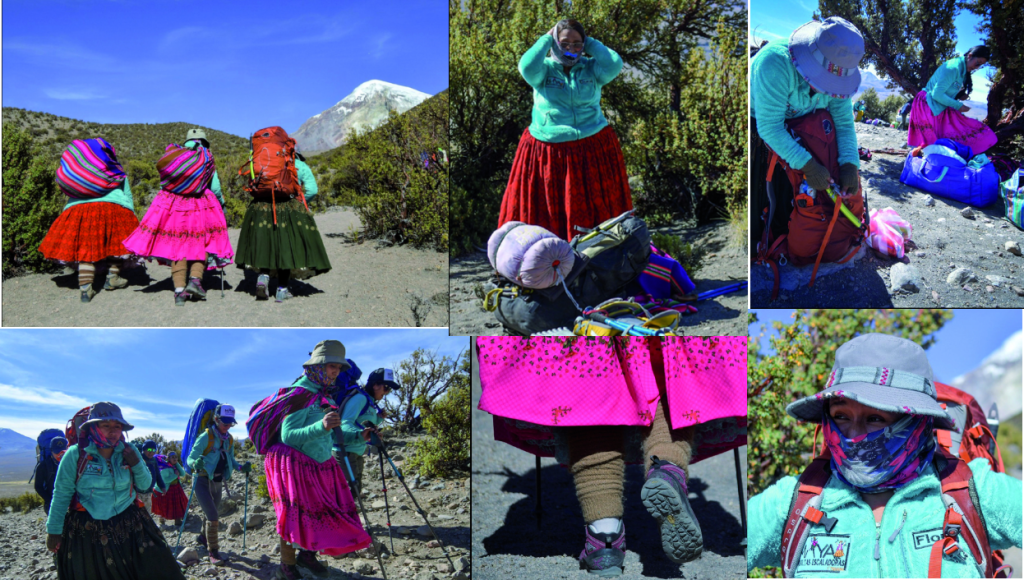
The majestic Sajama snow-capped mountain is one of the park’s main attractions
Bolivia’s first protected area is celebrating 87 years of safeguarding the country’s highest mountain, the world’s highest-altitude queñua forests, and a unique biodiversity
Sajama National Park, the first protected area established in Bolivia, commemorated the 87th anniversary of its creation on August 2. Located in the municipality of Curahuara de Carangas, in the department of Oruro, this natural sanctuary protects some of the Altiplano’s most representative ecosystems and is home to the country’s highest peak.
The park was created on August 2, 1939, during the government of President Germán Busch. Through a supreme decree, the State declared the Sajama queñua forest (Polylepis tarapacana) a National Park and prohibited the logging of this and other native species, marking one of Bolivia’s earliest environmental conservation measures.
Six years later, on November 5, 1945, President Gualberto Villarroel expanded the protection through a decree-law that declared the Mirikiri and Sajama mountains National Park territory, “with all their natural treasures,” excluding only mineral resources.
Since then, the protected area has become a national benchmark for the conservation of semi-arid high-Andean ecosystems. Its primary objective is to preserve the queñua forests, considered the highest-altitude forests in the world, capable of growing at elevations of up to 5,100 meters above sea level.
A Refuge for Biodiversity
Covering 100,517 hectares, Sajama National Park protects a remarkable biological diversity adapted to the extreme conditions of the Altiplano.
Among its most representative species are the vicuña, llama, Andean condor, suri (Andean rhea), and Andean cat. According to official park data, its wildlife is composed of 41.2% birds, 41.2% mammals, 11.8% fish, and 5.8% amphibians.
One of its most emblematic inhabitants is the Andean armadillo (Chaetophractus vellerosus), a species classified as “Endangered” in Bolivia’s Red Book of Wild Vertebrate Fauna. For years, it was hunted for the production of rattles used in various celebrations, a practice that led to the 2015 ban on manufacturing and selling new instruments made from its shell.
The park’s flora is also notable for the presence of yareta and extensive high-Andean wetlands known as bofedales, ecosystems that play a vital role in water regulation and provide habitat for numerous wildlife species.
Unique Altiplano Landscapes
Beyond its biological richness, Sajama offers some of the country’s most spectacular landscapes. Hot springs, geysers, lagoons, and high-altitude wetlands are among the attractions of this protected area, dominated by the imposing Sajama Mountain, which at 6,542 meters above sea level is the highest peak in Bolivia.
These natural resources have made the park one of the country’s leading destinations for nature and mountain tourism, encouraging responsible tourism initiatives involving local communities, public institutions, and conservation organizations.
Commitment to Conservation
The National Service of Protected Areas (Sernap), the agency responsible for managing the park, marked the anniversary with a civic ceremony attended by national, departmental, and municipal authorities, representatives of social organizations, Indigenous leaders, and members of the Management Committee.
During the event, Sernap presented awards to Sajama National Park and its Management Committee in recognition of their contributions to biodiversity conservation, the protection of high-Andean ecosystems, and the strengthening of participatory management of Bolivia’s natural and cultural heritage.
Eighty-seven years after its creation, Sajama National Park remains a symbol of environmental conservation in Bolivia. Its extraordinary biodiversity, high-mountain landscapes, and the collaborative efforts of the State and local communities continue to establish it as one of the country’s greatest natural treasures and a legacy for future generations.
Por Tanya Imaña Serrano, El Deber:
El parque nacional Sajama celebra sus 87 años como área protegida
El imponente nevado Sajama es uno de los grandes atractivos del parque
La primera área protegida del país, celebra 87 años resguardando el nevado más alto de Bolivia, los bosques de queñua de mayor altitud del mundo y una biodiversidad única
El Parque Nacional Sajama, la primera área protegida creada en Bolivia, conmemoró el pasado 2 de agosto el 87° aniversario de su fundación. Ubicado en el municipio de Curahuara de Carangas, en el departamento de Oruro, este santuario natural protege algunos de los ecosistemas más representativos del Altiplano y alberga el nevado más alto del país.
Su creación se remonta al 2 de agosto de 1939, durante el gobierno del presidente Germán Busch. Mediante decreto supremo, el Estado declaró Parque Nacional al bosque de queñua (Polylepis tarapacana) existente en Sajama y prohibió la tala de esta y otras especies nativas, en una de las primeras medidas de conservación ambiental adoptadas en Bolivia.
Seis años después, el 5 de noviembre de 1945, el presidente Gualberto Villarroel amplió la protección mediante un decreto ley que declaró Parque Nacional, “con todos sus tesoros naturales”, a los cerros Mirikiri y Sajama, excluyendo únicamente las riquezas metalíferas.
Desde entonces, el área protegida se ha consolidado como un referente nacional en la conservación de los ecosistemas altoandinos semiáridos.
Su principal objetivo es preservar los bosques de queñua, considerados los de mayor altitud del mundo, capaces de desarrollarse hasta los 5.100 metros sobre el nivel del mar.
Refugio para la biodiversidad
Con una superficie de 100.517 hectáreas, el Parque Nacional Sajama resguarda una importante diversidad biológica adaptada a las condiciones extremas del Altiplano.
Entre sus especies más representativas se encuentran la vicuña, la llama, el cóndor andino, el suri y el gato andino. Según datos oficiales del área protegida, la fauna está conformada por un 41,2% de aves, 41,2% de mamíferos, 11,8% de peces y 5,8% de anfibios.
Uno de sus habitantes más emblemáticos es el quirquincho andino (Chaetophractus vellerosus), una especie catalogada “En Peligro” en el Libro Rojo de la Fauna Silvestre de Vertebrados de Bolivia. Durante años fue cazado para la elaboración de matracas utilizadas en diferentes celebraciones, práctica que motivó la prohibición, desde 2015, de fabricar y comercializar nuevos instrumentos elaborados con el caparazón de este animal.
La flora del parque también destaca por la presencia de la yareta y extensos bofedales altoandinos, ecosistemas fundamentales para la regulación hídrica y el sustento de numerosas especies silvestres.
Paisajes únicos del Altiplano
Además de su riqueza biológica, Sajama ofrece algunos de los paisajes más impresionantes del país. Aguas termales, géiseres, lagunas y bofedales forman parte del atractivo de esta área protegida, dominada por el imponente nevado Sajama, que con 6.542 metros sobre el nivel del mar es la montaña más alta de Bolivia.
Estos recursos naturales han convertido al parque en uno de los principales destinos de turismo de naturaleza y montaña del país, lo que ha impulsado iniciativas de turismo responsable, en las que participan comunidades locales, instituciones públicas y organizaciones dedicadas a la conservación.
Compromiso con la conservación
El Servicio Nacional de Áreas Protegidas (Sernap), entidad responsable de la administración del parque, conmemoró el aniversario con un acto cívico que reunió a autoridades nacionales, departamentales y municipales, representantes de organizaciones sociales, autoridades originarias y miembros del Comité de Gestión.
Durante la ceremonia, el Sernap entregó reconocimientos al Parque Nacional Sajama y a su Comité de Gestión por su aporte a la conservación de la biodiversidad, la protección de los ecosistemas altoandinos y el fortalecimiento de la gestión participativa del patrimonio natural y cultural de Bolivia.
A 87 años de su creación, el Parque Nacional Sajama continúa siendo un símbolo de la conservación ambiental en el país. Su extraordinaria biodiversidad, sus paisajes de alta montaña y el trabajo conjunto entre el Estado y las comunidades consolidan a esta área protegida como uno de los mayores patrimonios naturales de Bolivia y un legado para las futuras generaciones.


Leave a Reply