By Red Uno:
Dunn: “The IMF Is Not Coming to Solve the Crisis; It Is Coming to Give Us Time to Solve It”
The economic analyst said that the loan from the International Monetary Fund represents a temporary source of liquidity and warned that the resources must be accompanied by economic reforms and a reduction in state spending.
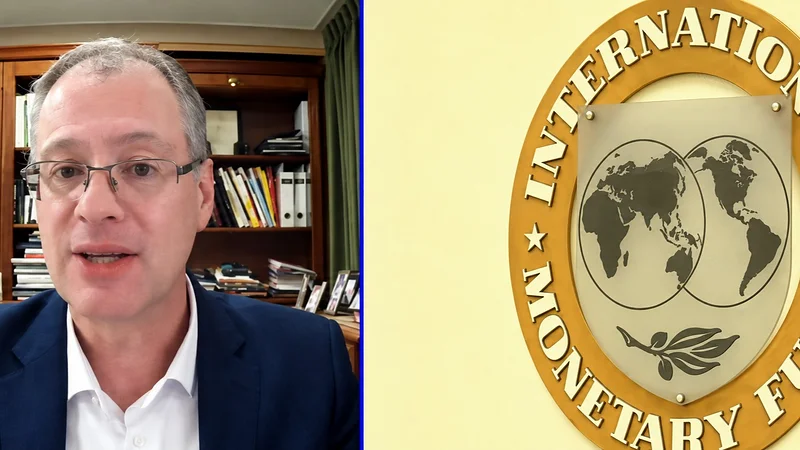
Photo: Jaime Dunn, economic analyst
Economic analyst Jaime Dunn stated that approval of the loan with the International Monetary Fund (IMF) represents a necessity given the country’s economic situation, but emphasized that the resources alone will not solve the crisis.
“Regardless of whether it is good or bad, it is a necessity; it is something that has to be done,” Dunn said when referring to the progress of the loan, which, following its approval in the Chamber of Deputies, must continue its consideration in the Senate.
The economist explained that the agreement with the international organization does not involve merely a loan, but also a stabilization program and economic reforms that would make it possible to access additional external resources.
“We are not simply talking about a loan; we are talking about an agreement to catalyze an external package of another $5 billion as well as a stabilization and reform program,” he said.
IMF Would Provide Liquidity but Would Not Solve the Crisis
Dunn said that IMF financing should be understood as a temporary tool to strengthen the economy, but that structural solutions depend on decisions made within the country.
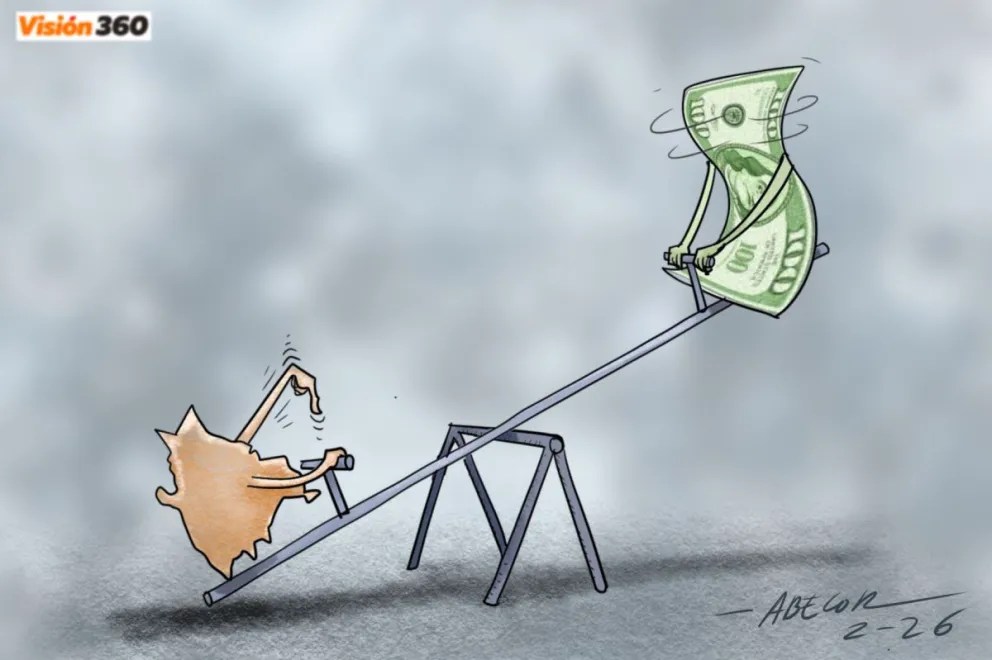
“The IMF is not coming to solve the Bolivian crisis. It is only coming to lend us time so that we can solve it ourselves,” he said.
In that regard, he maintained that, with or without an agreement with the international organization, Bolivia will have to implement measures to correct its fiscal and economic problems.
“If the crisis is fiscal in origin and that has generated a balance-of-payments crisis, then with or without the Fund, fiscal adjustment has to be carried out,” he explained.
Proposes Fiscal Reforms and Structural Changes
Among the measures mentioned by the analyst are reducing the fiscal deficit, limiting Central Bank financing of the Treasury, reviewing subsidies, eliminating price controls, and examining the situation of state-owned companies.
“There has to be fiscal adjustment, zero financing from the Central Bank, elimination of subsidies, termination of price controls, opening of markets, ending export quotas, and a review of state-owned companies,” he said.
Dunn argued that the loan would provide financial backing to implement these measures, although he insisted that the resources should be used as a bridge toward reforms.
“It is better to do it with the Fund and with money,” he said, explaining that the financing would provide greater room to implement the necessary changes.
Warns About How the Resources Are Used
The analyst expressed concern about where the loan proceeds will go and said that the resources should not be used merely to sustain the current functioning of the state.
“Hopefully these resources, because they also come under the heading of unrestricted use, will not be used, as a deputy minister said, to pay salaries and year-end bonuses,” he stated.
According to Dunn, the financing should be used to strengthen international reserves, support the Central Bank, and accompany a program of economic transformation.
“These resources have to help and provide support for a fiscal adjustment program,” he said.
“The Adjustment Must Begin with the State”
Dunn said that the population has already assumed part of the costs of the crisis and argued that the state must now implement measures to reduce spending.
“The state has to do its part now,” he said, pointing out that government payrolls, administrative spending, and deficit-ridden state-owned companies should be reviewed.
He also argued that the cost of the crisis should not fall exclusively on citizens.
“The great risk is that the citizen continues to bear the adjustment, the state is not reformed, and the citizen continues to be the one who has to pay for the crisis,” he said.
Calls for Immediate Implementation of Measures
Finally, Dunn said that economic decisions should not be postponed and called for measures to begin immediately.
“We are far too late in taking the measures that need to be taken. Nothing about next year or this coming quarter; we have to start taking the measures tomorrow,” he said.
The analyst said that delays in implementing reforms have deepened the country’s economic problems and increased the costs facing the country.
Por Red Uno:
Dunn: “El FMI no viene a resolver la crisis, viene a darnos tiempo para resolverla”
El analista económico afirmó que el crédito del Fondo Monetario Internacional representa una fuente temporal de liquidez y advirtió que los recursos deben estar acompañados de reformas económicas y reducción del gasto estatal.
Foto: Jaime Dunn, analista económico
El analista económico Jaime Dunn afirmó que la aprobación del crédito con el Fondo Monetario Internacional (FMI) representa una necesidad ante la situación económica del país, pero remarcó que los recursos no solucionarán por sí solos la crisis.
“Más allá de que si es buena o mala, es una necesidad, es algo que se tiene que hacer”, señaló Dunn al referirse al avance del crédito que, tras su aprobación en la Cámara de Diputados, debe continuar su tratamiento en el Senado.
El economista explicó que el acuerdo con el organismo internacional no implica únicamente un préstamo, sino también un programa de estabilización y reformas económicas que permitiría acceder a otros recursos externos.
“No estamos hablando simplemente de un préstamo, estamos hablando de un acuerdo para catalizar un paquete externo también de otros 5.000 millones de dólares y un programa de estabilización y reformas”, indicó.
FMI otorgaría liquidez, pero no resolvería la crisis
Dunn señaló que el financiamiento del FMI debe entenderse como una herramienta temporal para fortalecer la economía, pero que las soluciones estructurales dependen de las decisiones internas del país.
“El FMI no viene a resolver la crisis boliviana. Solo viene a prestarnos tiempo para que nosotros la resolvamos”, afirmó.
En ese sentido, sostuvo que, con o sin el acuerdo con el organismo internacional, Bolivia deberá aplicar medidas para corregir los problemas fiscales y económicos.
“Si la crisis es de origen fiscal y eso ha generado una crisis de balanza de pagos, pues con fondo o sin fondo hay que hacer un ajuste fiscal”, explicó.
Plantea reformas fiscales y cambios estructurales
Entre las medidas que mencionó el analista están la reducción del déficit fiscal, limitar el financiamiento del Banco Central al Tesoro, revisar subsidios, eliminar controles de precios y analizar la situación de empresas estatales.
“Hay que hacer un ajuste fiscal, cero financiamiento del Banco Central, eliminación del subsidio, terminación de controles de precios, apertura de mercados, terminación de cupos de exportación y revisión de empresas estatales”, detalló.
Dunn sostuvo que el crédito permitiría contar con un respaldo financiero para aplicar estas medidas, aunque insistió en que los recursos deben ser utilizados como un puente hacia las reformas.
“Es mejor hacerlo con fondo y con plata”, afirmó al explicar que el financiamiento daría mayor margen para ejecutar los cambios necesarios.
Advierte sobre el uso de los recursos
El analista expresó preocupación sobre el destino del crédito y señaló que los recursos no deberían utilizarse únicamente para sostener el funcionamiento actual del Estado.
“Ojalá estos recursos, porque vienen bajo el título también de libre disponibilidad, no sea como decía un viceministro que se va a usar para pagar salarios y aguinaldos”, manifestó.
Según Dunn, el financiamiento debería servir para fortalecer reservas internacionales, respaldar al Banco Central y acompañar un programa de transformación económica.
“Estos recursos tienen que ayudar y dar soporte a un programa de ajuste fiscal”, señaló.
“El ajuste debe comenzar por el Estado”
Dunn afirmó que la población ya asumió parte de los costos de la crisis y planteó que ahora el Estado debe aplicar medidas de reducción de gasto.
“El Estado tiene que hacer su parte ahora”, sostuvo, al señalar que deben revisarse planillas, gastos administrativos y empresas estatales deficitarias.
También planteó que se debe evitar que el costo de la crisis recaiga únicamente en los ciudadanos.
“El gran riesgo es que se siga ajustando al ciudadano, no se reforme al Estado y el que tenga que pagar por la crisis siga siendo el ciudadano”, afirmó.
Pide aplicar medidas de manera inmediata
Finalmente, Dunn consideró que las decisiones económicas no deberían postergarse y pidió que las medidas comiencen de forma inmediata.
“Estamos demasiado tarde para tomar las medidas que se tienen que tomar. Nada de que el próximo año o este próximo cuatrimestre; mañana hay que empezar a tomar las medidas”, indicó.
El analista señaló que el retraso en la aplicación de reformas profundizó los problemas económicos y aumentó los costos que enfrenta el país.


Leave a comment