
By Jorge Quispe, El Pais:
From Books to the Harvest: The Exodus of Thousands of Young Bolivians Seeking in Chile the Opportunities Bolivia Denies Them
Fruit harvesting in Chile, tasks for which young people from Bolivia are hired. Photo: El Ciudadano Portal
Juan David’s alarm clock no longer rings at six in the morning in a Bolivian city. Instead, it goes off at 5:30 a.m. in northern Chile, amid the cold of the Andes and the accumulated exhaustion of fruit harvesting. “If you want to make money, you have breakfast, prepare your coca leaves, and get to work… your life is focused solely on work,” he says in a video spreading rapidly on TikTok, the social media platform that has become the new roadmap for thousands of young Bolivians migrating not only from La Paz and El Alto, but also from Santa Cruz, Pando, Cochabamba, Tarija, and other cities.
Like Juan David, a tide of young people is crossing borders, driven by a national reality suffocated by economic crisis, political and social conflict—marked by tensions, protests, road blockades, and difficulties in establishing dialogue—and by a climate crisis looming as one of the main threats to well-being.
“This money is really worth something. The harvest was good—80,000 pesos by midday. Eighty thousand pesos is like 800 bolivianos,” Juan David says on TikTok. Bolivia educates them in schools and universities, but fails to retain them. According to sociologist and migration specialist Alfonso Hinojosa, Chile has become a destination that massively attracts Bolivian labor because of the enormous difference in the purchasing power of wages compared with Bolivia’s internal crisis and the limited job opportunities the country can offer.
They are trained in Bolivia, but the lack of opportunities and persistent political and social tensions push them toward migration, tempted by better-paying jobs.
More than half of those who decide to cross the border are between 18 and 29 years old, says the researcher. The effects of climate change in rural areas are another decisive factor driving young people away.
Hinojosa puts it bluntly: “Today, Chile represents for South America what the United States represents for migrants. In terms of purchasing power, what you earn there has value in your homeland.” But he warns of the high cost: “Bolivia trains human talent in schools and universities and then loses it because it cannot provide employment opportunities. Our productive engine is leaving; our most important human capital is generating wealth for other countries.”
The Future Simmers Slowly
However, for many, the promise of entrepreneurship or a university degree collides with the urgency of survival. That is the story of Yasiel, a 27-year-old professional who completed her medical studies in Bolivia and now serves meals as a cook in Calama, northern Chile, a territory that once belonged to Bolivia.
“I arrived a year and seven months ago through a cousin who was already here. I was hired to wash dishes, then became a kitchen assistant, and now they trust me with the kitchen. I needed money and had two options: stay in Bolivia and work for two years to save the amount I needed, or come here and achieve it in less time,” she told Sumando Voces by phone.
Her original goal was clear: to gather the funds needed to pay for her hospital internship. However, the wage and labor contrast opened her eyes. While an entry-level doctor in Bolivia earns about 5,000 bolivianos, Yasiel—who has learned to cook Chilean dishes such as ajiaco—earns 8,000 bolivianos net per month, without paying rent or food expenses, achieving a stability her homeland denied her.
For now, she is saving money to return home and complete her internship, but after obtaining her degree she intends to practice medicine in Chile. Hundreds of others have turned to construction and mining, sectors where Bolivian labor is highly valued.
“Here I have found many more opportunities. I already have temporary identification that allows me to work legally. At least for men there is a huge amount of work, and they can earn the equivalent of 15,000 bolivianos a month as construction workers and miners. They work on a 15/15 system: fifteen days of intensive work and fifteen days off,” she explains.
Most of her customers are mine workers, laborers, and truck drivers. “I’ve met young Bolivians from everywhere: Santa Cruz, Pando, Oruro, Chuquisaca, and Tarija—not just La Paz,” she says.
During peak season, Yasiel prepares meals for around 280 people a day; during slower periods, about 50. Yet her income remains the same. “The eight-hour workday is respected; if you work more, you get paid overtime,” she says.
Every week, Chilean companies advertise openings for fruit harvesting and other jobs through TikTok. The message is aimed particularly at young Bolivians, who have formed networks not only to communicate but also to protect one another.
“You cannot think of a migrant, male or female, without this device, without a cellphone. Not only because it enables communication with family, but because it is the instrument through which they find jobs and also a tool for self-protection,” says Hinojosa. One of the dangers of migration is falling into the hands of human traffickers, but young migrants have woven networks to protect themselves.
Cultivating Opportunities in Bolivia
Julio Jordán, political scientist and technician with the Fuerza Joven program of the Swiss NGO Solidar Suiza, warns about the impact of informality and labor precariousness. “Overall labor informality stands at 85%, while youth labor informality reaches 96.2%. Only one in ten young people has a formal job, and even those who do often work under precarious conditions and without decent wages,” he says.
Jordán also believes that the 51 days of road blockades “have definitely affected the generation of employment opportunities. Several companies have closed, and young entrepreneurs have had to shut down their businesses and even reschedule debts.”
This vulnerability hits pregnant young women and mothers especially hard. “Young women face a reality marked by childcare responsibilities, the need to generate income, restricted access to formal education, many do not even complete high school, and there is gender inequality and economic dependence.”
Faced with this situation, Solidar Suiza’s Fuerza Joven program works actively in 20 municipalities across Bolivia, seeking to promote decent employment and self-employment through skills training and seed capital for young entrepreneurs in order to counter the lack of local alternatives.
From Graduation to Harvesting: The New Routes of the Exodus
The exodus does not discriminate by profession or region. Desperation has even transformed transportation logistics. Whereas buses carrying migrants once departed mainly from El Alto, La Paz, and Oruro, they now leave continuously and directly from Santa Cruz and Cochabamba, offering exclusive routes to Santiago, Arica, Iquique, Calama, and other Chilean cities.
The face of this urgency is reflected in young people such as Laura Sony, as she identifies herself on TikTok. She recalls with nostalgia how she graduated alongside her friend in February 2026 after four long years of academic effort, only to find herself a month later harvesting cilantro and green onions in Chilean fields.
“We haven’t found work. She is harvesting cilantro and I’m harvesting green onions. What are we going to do? That’s life,” Laura says on her TikTok account.
They traded books for pruning shears, ladders, and baskets used to collect fruit.
Despite the harsh conditions, Bolivian seasonal workers—as they are now known—work through rain and even ignore national holidays such as August 6, Bolivia’s Independence Day, harvesting mandarins and other fruits without pause. Their collective goal remains unchanged: move forward, send money home, and avoid returning empty-handed. Another strategy, according to Hinojosa, is to work for three months and then return to Bolivia with their savings.
Record Numbers and the New Engine of the North
This mass migration, not only of Bolivians, has reshaped regional balances. Official data from Chile’s National Migration Service reveal that a trend already visible before 2023 became fully consolidated in the first half of 2026: 70% of all people who processed work permits during that period were Bolivians (84,717 out of 121,977), completely surpassing Venezuelans, aided by the free Mercosur Visa.
In fact, employers themselves help speed up work-permit procedures while young people pack their bags in Bolivia. This ease is another incentive to leave the country and pursue opportunities unavailable at home.
This massive flow also supports thousands of households in Bolivia. According to reports published by La Razón and backed by figures from the Central Bank of Bolivia, remittances sent from Chile doubled between 2019 and 2023, rising from $159.3 million to $312.97 million, making Chile a key pillar of economic support for families while Bolivia’s productive engine continues to lose its youth.
“In Chile you can earn money, but the work also takes away moments that never return. You trade family for loneliness. Your body gets used to pain, to sleeping little, and to eating quickly, but your heart never gets used to being far from the people you love,” another young worker says while describing his experience harvesting fruit in Chile on TikTok.
Previous reports in this series showed how the countryside feeds the city, how the city sustains the countryside, how transport workers connect territories, and how families support one another during times of conflict. Now, thousands of young Bolivians demonstrate both their determination to prosper and their vital contribution to supporting their families from abroad.
What would need to change in Bolivia so that the desire to get ahead would not force them to cross a border?
Por Jorge Quispe, Sumando Voces, El Pais:
De los libros a la cosecha: el éxodo de miles de jóvenes bolivianos que buscan en Chile las oportunidades que Bolivia les niega
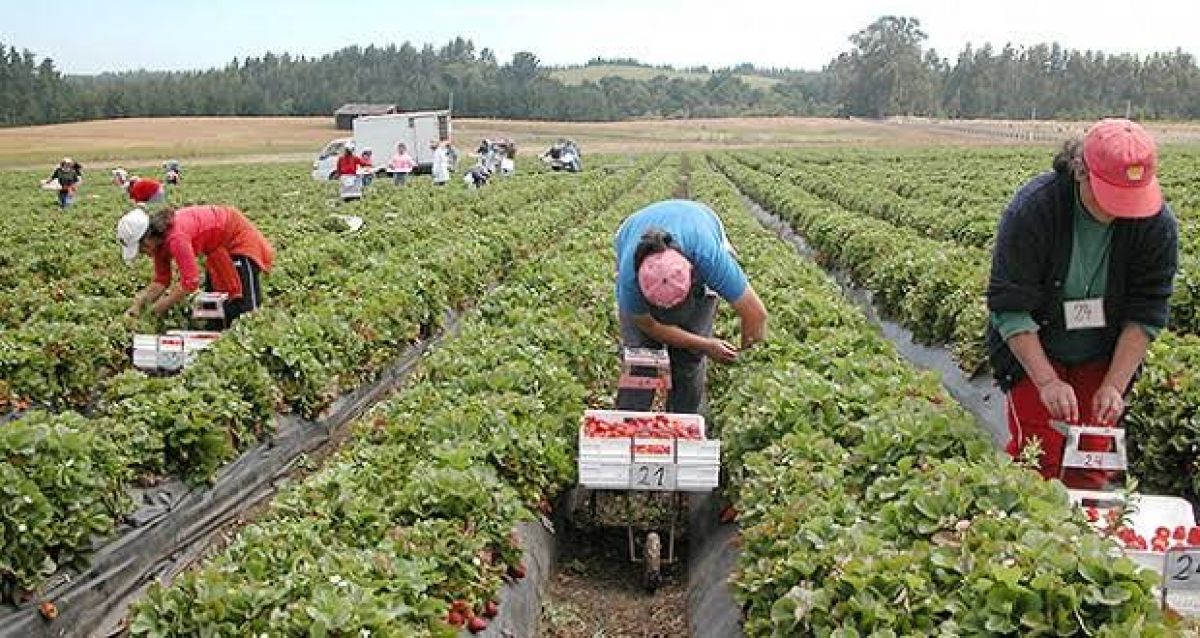
Cosecha de frutas en Chile, tareas para las que se contrata a jóvenes de Bolivia. Foto: Portal El Ciudadano
El despertador de Juan David no suena a las seis de la mañana en una ciudad boliviana, sino a las 5:30 en el norte chileno, entre el frío cordillerano y el cansancio acumulado en la cosecha de frutas. “Si tú quieres ganar plata, desayunas, haces tu bolo de coca y te entras a trabajar… tu vida está enfocada solo en el trabajo”, relata en un video que circula vertiginosamente en TikTok, la red social que hoy funciona como el nuevo mapa de ruta para miles de jóvenes bolivianos que migran ya no solo desde La Paz y El Alto, sino desde Santa Cruz, Pando, Cochabamba, Tarija y otras ciudades.
Como Juan David, una marea de jóvenes cruza las fronteras empujados por una realidad nacional asfixiada por la crisis económica, la conflictividad política y social —marcada por tensiones, protestas, bloqueos y dificultades para entablar diálogos— y una crisis climática que se cierne como una de las principales amenazas para el bienestar.
“Este dinero sí vale. Estuvo buena la cosecha, 80 ‘luquitas’ hasta mediodía. 80 lucas son como 800 bolivianos”, cuenta Juan David en el TikTok. Bolivia los educa en escuelas y universidades, pero no logra retenerlos. Desde la perspectiva del sociólogo y especialista en migraciones, Alfonso Hinojosa, Chile se ha convertido en un destino que atrae masivamente a la fuerza laboral boliviana debido a la abismal diferencia en el poder adquisitivo de sus salarios frente a la crisis interna y las escasas oportunidades labores que el país les puede ofrecer.
Se forman en el territorio nacional, pero la falta de oportunidades y las persistentes tensiones político-sociales les empujan a la migración tentados por un empleo mejor remunerado.
Más de la mitad de quienes deciden cruzar la frontera tienen entre 18 y 29 años, dice el investigador. Y los efectos del cambio climático en las zonas rurales son otro factor determinante para expulsar a los jóvenes.
Hinojosa sentencia con crudeza: “Hoy en día, Chile representa para Sudamérica el Estados Unidos (para los migrantes). En términos adquisitivos, lo que ahí ganas tiene valor en tu tierra”. Pero advierte el alto costo de esto: “Bolivia forma talento humano en la escuela y la universidad y lo pierde al no darle opciones laborales. Se está yendo nuestro motor productivo, el factor humano más importante está generando riqueza para otros países”.
El futuro se cocina a fuego lento
Sin embargo, para muchos, la promesa de un emprendimiento o un título universitario choca con la urgencia de sobrevivir. Esa es la historia de Yasiel, una joven profesional de 27 años, quien culminó sus estudios de medicina en Bolivia y hoy despacha platos como cocinera en Calama, al norte de Chile, antiguo territorio boliviano.
“Llegué hace un año y siete meses, por referencia de una prima que también está acá. Me contrataron para lavar vajilla, luego pasé a ayudante de cocina y ahora me confiaron la cocina. Necesitaba dinero y tenía dos opciones: quedarme en Bolivia y trabajar dos años para reunir la plata o venir aquí para lograrlo en menos tiempo”, cuenta a Sumando Voces vía teléfono.
Su meta inicial era clara: reunir los recursos necesarios para pagar el internado hospitalario. Sin embargo, el contraste salarial y laboral terminó por abrirle los ojos: mientras un médico de base en Bolivia percibe unos 5.000 bolivianos, Yasiel —quien ya aprendió a cocinar platillos chilenos como el ajiaco—, gana 8.000 bolivianos líquidos mensuales, sin gastar en arriendo ni comida, logrando una estabilidad que su tierra natal le negó.
Por el momento, ella ahorra para volver a la patria y terminar el internado, pero luego de titularse pretende ejercer en Chile. Otros centenares se dedican también al oficio de la construcción y la minería, donde la mano de obra boliviana es muy cotizada.
“Aquí he hallado muchísimas más opciones, ya tengo una identificación temporal que me permite trabajar de manera legal. Al menos para los varones hay muchísimo trabajo y ellos pueden llegan a ganar el equivalente a 15.000 bolivianos al mes como albañiles y en las mineras. Se mueven en la modalidad del 15/15: 15 días de trabajo intensivo y 15 de descanso”, relata.
Sus comensales son, en su mayoría, obreros de faena y mineros, pero también camioneros. “Me he encontrado y he conocido jóvenes bolivianos de todo lado: Santa Cruz, Pando, Oruro, Chuquisaca y Tarija, no solo La Paz”, dice.
En temporada alta, Yasiel llega a preparar comida para unas 280 personas cada día y en periodos menos movidos, para 50, pero sus ingresos son los mismos. “Se respetan las ocho horas de trabajo; si pones más tiempo te pagan horas extra”, afirma.
Cada semana y a través del TikTok, las empresas chilenas anuncian cupos para la cosecha de frutas y otras labores, el mensaje está dirigido en particular a los jóvenes bolivianos, quienes formaron redes no solo comunicarse sino también para protegerse entre ellos.
“No se puede pensar un migrante hombre o mujer sin la dependencia de este aparato, sin celular. No solo por factores de comunicación familiar, sino porque es un instrumento a partir del cual consiguen empleo y también una herramienta para defenderse”, apunta Hinojosa. Uno de los riesgos en la migración es caer en manos de los “coyotes” o traficantes de personas, pero los jóvenes tejieron redes para protegerse de ellos.
Cultivando oportunidades en Bolivia
Julio Jordán, cientista político y técnico del programa Fuerza Joven de la organización Solidar Suiza, advierte sobre el impacto de la informalidad y la precarización laboral como otro de los factores. “A nivel general la tasa de informalidad laboral es del 85% y la tasa de informalidad juvenil es del 96,2%. Uno de cada 10 jóvenes cuenta con un trabajo formal y los que tienen trabajo están en condiciones precarias, sin salarios dignos”, sostiene.
Jordán considera también que los 51 días de bloqueos “definitivamente han afectado a la generación de oportunidades de empleo. Varias empresas han cerrado y aquellos jóvenes que emprendían han tenido que cerrar y hasta reprogramar sus deudas”.
Esa vulnerabilidad golpea de manera crítica a las jóvenes embarazadas y madres. “Las jovencitas están con una situación marcada por el cuidado de los hijos, la necesidad de generar ingresos, acceso restringido a una educación formal, muchas de ellas no culminan ni el bachillerato y existe una desigualdad de género y dependencia económica”.
Frente a este panorama, el programa Fuerza Joven de Solidar Suiza trabaja activamente en 20 municipios de Bolivia, buscando impulsar el empleo y autoempleo digno mediante la capacitación de habilidades y la entrega de capital semilla a jóvenes emprendedores para contrarrestar la falta de alternativas locales.
De la graduación a la cosecha y las nuevas rutas del éxodo
El éxodo no distingue carreras ni orígenes regionales; la desesperación ha transformado incluso la logística del transporte. Si antes los buses con migrantes partían casi exclusivamente desde El Alto, La Paz y Oruro, ahora lo hacen de forma continua y directa desde Santa Cruz y Cochabamba, con servicios exclusivos y directos hasta Santiago de Chile, Arica, Iquique, Calama y otras ciudades.
El rostro de esta urgencia lo dibujan jóvenes como Laura Sony, como se identifica en TikTok, quien recuerda con nostalgia cómo se graduó junto a su amiga en febrero de 2026 tras cuatro largos años de esfuerzo académico, solo para encontrarse, en marzo de ese mismo año, con los dedos entumecidos cosechando cilantro y cebollines en los campos chilenos.
“No hemos encontrado trabajo. Ella (su amiga) trabajando en la cosecha del cilantro y yo trabajando en cosecha de cebollines. ¿Qué vamos a hacer? Así es la vida”, relata Laura en su cuenta de TikTok.
Ellas cambiaron los libros por las tijeras de cosecha o poda, las escaleras y los canastos para recolectar las frutas.
A pesar de la crudeza del paisaje, los temporeros bolivianos —como les conocen ahora— trabajan bajo la lluvia e incluso ignoran feriados patrios como el 6 de Agosto, cosechando sin pausas mandarinas y otras frutas. El propósito colectivo se mantiene intacto: salir adelante, enviar dinero y no regresar con las manos vacías. La otra estrategia según Hinojosa es trabajar tres meses y volver con el dinero reunido a Bolivia.
Cifras récord y el nuevo motor del norte
Esta migración masiva, no solo de bolivianos, ha reconfigurado los balances regionales. Datos oficiales del Servicio Nacional de Migraciones de Chile revelan que la tendencia que venía gestándose desde antes de 2023 se consolidó de forma absoluta en el primer semestre de 2026: el 70% de las personas que tramitaron permisos laborales en ese periodo fueron bolivianos (84.717 de 121.977), desplazando por completo a la población venezolana, amparados por la gratuidad de la Visa Mercosur.
De hecho, los propios empleadores agilizan los trámites para los permisos de trabajo mientras los jóvenes hacen maletas en Bolivia. Esta “facilidad” es otro gancho para dejar el país y tomar las oportunidades que acá no hallan.
Este flujo masivo se traduce también en el soporte de miles de hogares en Bolivia. Según registros difundidos por el diario La Razón y respaldados por cifras del Banco Central de Bolivia (BCB), los envíos de remesas desde Chile se duplicaron entre 2019 y 2023, pasando de 159,30 millones a 312,97 millones de dólares, posicionando al vecino país como el epicentro de un soporte económico que sostiene a familias enteras mientras el motor productivo de Bolivia continúa vaciándose de su juventud
“En Chile consigues dinero, pero el trabajo también te quita momentos que jamás regresan. Cambias la familia por la soledad. Tu cuerpo se acostumbra al dolor, a dormir poco y comer rápido, pero tu corazón nunca se acostumbra a estar lejos de los que amas”, confía otro joven al narrar su experiencia en la cosecha de frutas en Chile a través del TikTok.
En los reportajes anteriores de esta serie hemos mostrado cómo el campo alimenta a la ciudad y la ciudad sostiene al campo; el transportista conecta territorios; cuando hay conflictos, una familia es capaz de arropar a otras. Ahora, miles de jóvenes bolivianos muestran sus ansias de prosperidad y su valioso aporte al sostén de sus familias desde el exterior. ¿Qué tendría que cambiar en Bolivia para que el deseo de salir adelante no les obligue a cruzar una frontera?


Leave a comment