By El Deber:
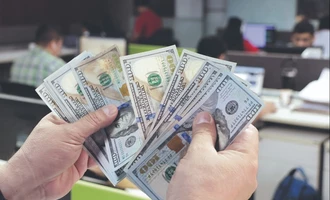
The government is hoping for a prompt injection of liquidity to slow the rise of the dollar. Photo: Ricardo Montero
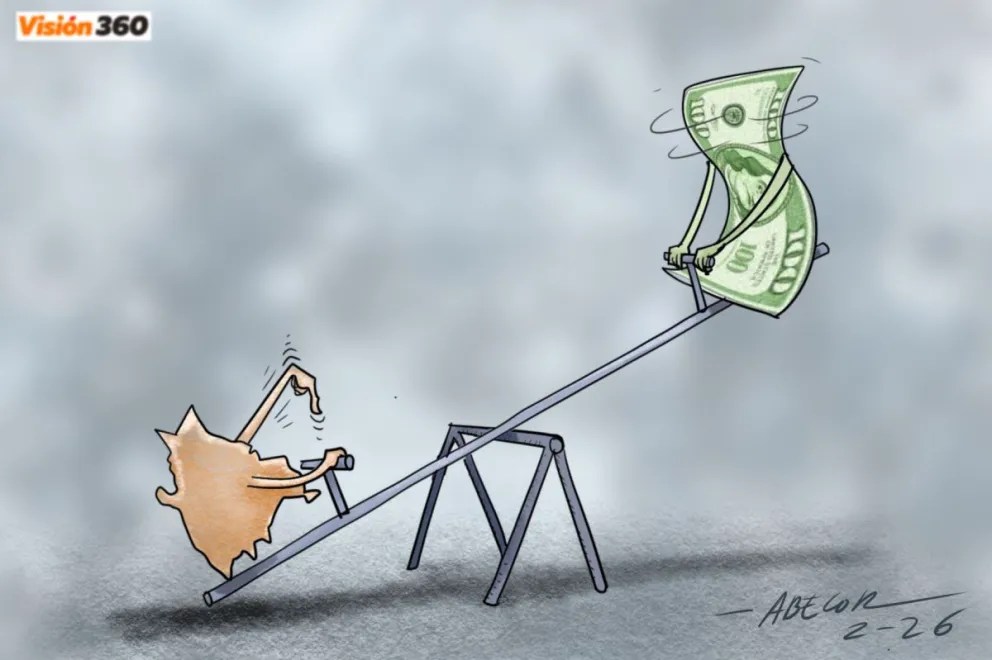
The official flexible dollar has reached Bs 11 and is no longer merely a financial indicator; it has become a problem for businesses and consumers
The official exchange rate of the dollar is no longer a figure followed only by economists and importers. The rapid rise of the flexible exchange rate has begun to be felt in the real economy. This Wednesday, the currency reached Bs 11, consolidating an upward trend that on some days registered increases of up to five centavos and raised new concerns within the productive sector.
Since the implementation of the new exchange-rate regime, the official dollar has accumulated an increase of Bs 1.27, rising from Bs 9.73 on June 29 to Bs 11 in the latest quotation published by the Central Bank of Bolivia. The movement reflects a market in which demand for foreign currency continues to exceed supply, in a context marked by a shortage of dollars and uncertainty regarding the arrival of new external resources.
At the same time, digital dollars (USDT and USDC) were trading between Bs 11.20 and Bs 11.35 on virtual platforms, a reference that shows exchange-rate pressure still persists.
According to economist Rudy Sanguino, Bolivia has entered a different stage. “The era of the cheap dollar is over,” he says, explaining that the behavior of the exchange rate will depend on the availability of foreign currency. Unless the Central Bank manages to increase the supply of dollars, he argues, the trend will remain upward and will continue to be passed on to the final prices paid by families and businesses. He also notes that, since the implementation of the new system, the boliviano has lost around 12% of its value against the dollar in less than a month, eroding purchasing power and making it more difficult for households and companies to plan ahead.
The first reactions are already emerging in the productive sector. The National Confederation of Micro and Small Enterprises (Conamype) has declared a state of emergency and given the government 48 hours to establish a dialogue table. Its leaders claim that the higher dollar has increased the cost of raw materials, production inputs, and imported merchandise, while the decline in purchasing power prevents those cost increases from being passed on to consumers.
The market has already found a new price for the dollar. The concern now is how much of that adjustment will eventually be reflected in food prices, production inputs, transportation, and the rest of the economy. That will be the real cost of living with a flexible exchange rate.
Por El Deber:
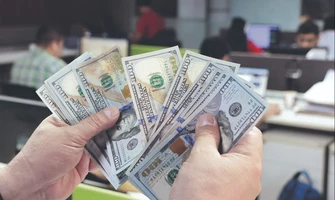
El Gobierno espera una pronta inyección de liquidez, para desacelerar el incremento del dólar. Foto: Ricardo Montero
El dólar oficial flexible alcanzó los Bs 11 y deja de ser únicamente un indicador financiero y se convierte en problema para las empresas y los consumidores
La cotización oficial del dólar dejó de ser un dato seguido únicamente por economistas e importadores. La rápida escalada del tipo de cambio flexible comenzó a sentirse en la economía real. Este miércoles, la divisa alcanzó los Bs 11, consolidando una tendencia alcista que en algunos días registró incrementos de hasta cinco centavos y encendió nuevas alertas en el aparato productivo.
Desde la implementación del nuevo régimen cambiario, el precio oficial acumuló un incremento de Bs 1,27, al pasar de Bs 9,73 el 29 de junio a Bs 11 en la última cotización publicada por el Banco Central de Bolivia. El movimiento refleja un mercado donde la demanda de divisas continúa superando a la oferta, en un contexto marcado por la escasez de dólares y la incertidumbre sobre el ingreso de nuevos recursos externos.
En paralelo, el dólar digital (USDT y USDC) se cotizó entre Bs 11,20 y Bs 11,35 en plataformas virtuales, una referencia que muestra que la presión cambiaria todavía persiste.
Para el economista Rudy Sanguino, Bolivia ingresó a una etapa distinta. “La época del dólar barato ya se acabó”, resume, al explicar que el comportamiento del tipo de cambio dependerá de la disponibilidad de divisas. Mientras el Banco Central no logre aumentar la oferta de dólares, sostiene, la tendencia seguirá siendo alcista y continuará trasladándose a los precios finales que pagan familias y empresas. Recuerda además que, desde la implementación del nuevo esquema, el boliviano perdió alrededor del 12% de su valor frente al dólar en menos de un mes, deteriorando el poder adquisitivo y dificultando la planificación de hogares y empresas.
Las primeras reacciones ya aparecen en el sector productivo. La Confederación Nacional de la Micro y Pequeña Empresa (Conamype) se declaró en emergencia y dio un plazo de 48 horas al Gobierno para instalar una mesa de diálogo. Sus dirigentes aseguran que el encarecimiento del dólar elevó el costo de materias primas, insumos y mercadería importada. mientras la caída del poder de compra impide trasladar esos incrementos al consumidor.
El mercado ya encontró un nuevo precio para el dólar. Ahora la preocupación es cuánto de ese ajuste terminará trasladándose a los alimentos, los insumos, el transporte y el resto de la economía. Ese será el verdadero costo de convivir con un tipo de cambio flexible.
https://eldeber.com.bo/economia/dolar-flexible-llega-bs-11-presiona-aparato-productivo_1784716997


Leave a Reply