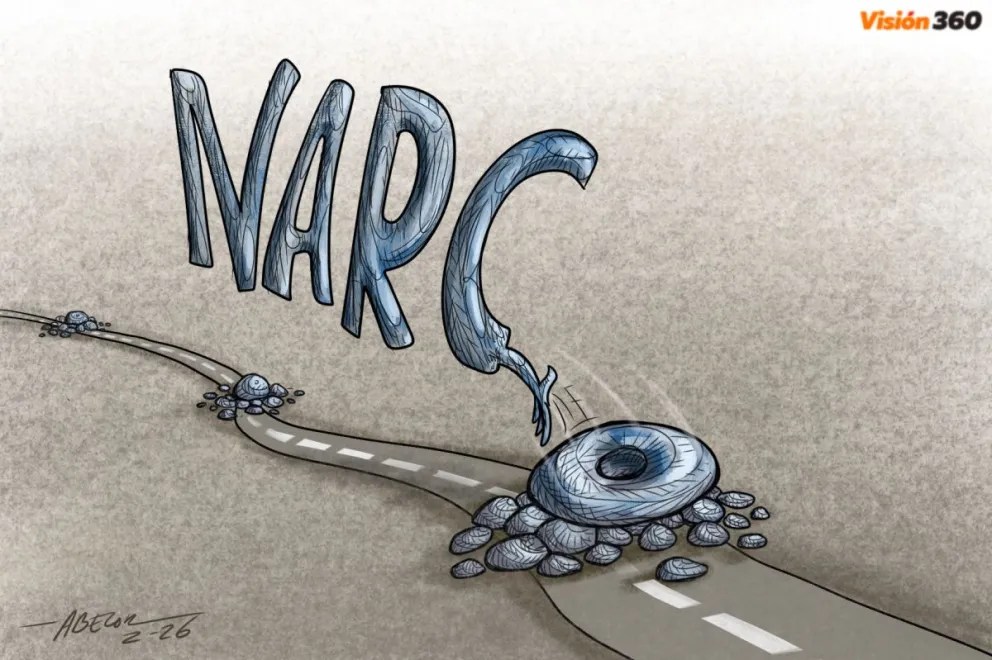
By Carlos Corz, Vision 360;
Laboratory tests in Chile and Brazil have ruled out the presence of drugs in Bolivian timber exports that had been seized following allegations of narcotics contamination. In June, Chilean authorities confiscated timber shipments, claiming they contained more than 100 tons of drug-infregnated material.
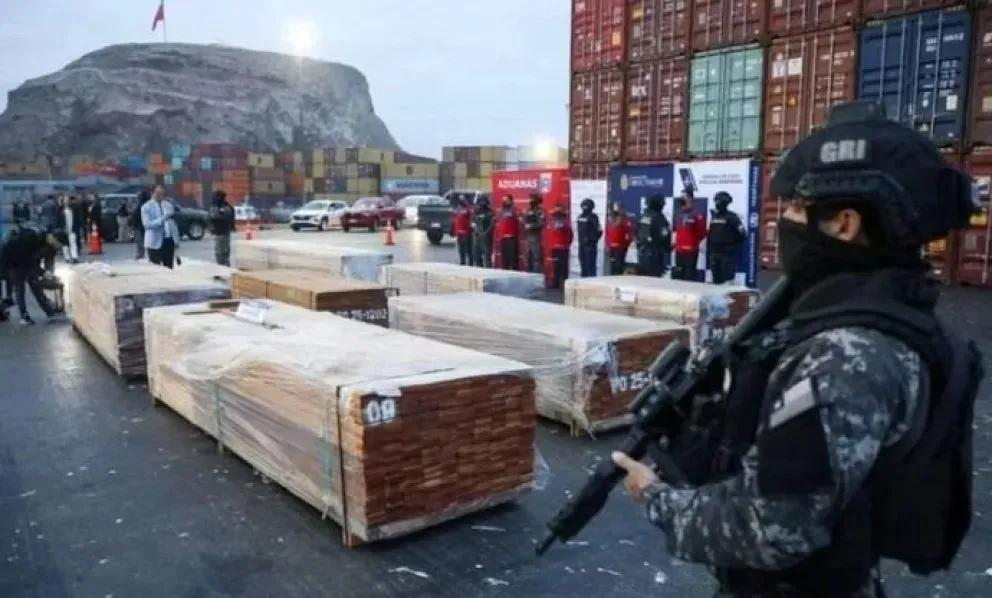
The wood was seized because it was allegedly impregnated with drugs. File photo: Infobae
The Bolivian timber had been seized after suspicions that it was contaminated with narcotics. However, laboratory analyses conducted in Chile found no evidence of illicit substances. The initial alert, which received significant media attention, also prompted Brazilian authorities to detain Bolivian timber shipments for inspection. Scientific testing in Brazil likewise confirmed the absence of drugs.
In an official statement, Bolivia’s Ministry of Government said the laboratory results were negative and announced that, together with the Foreign Ministry, it will demand explanations from Chilean prosecutors and seek compensation for the damage caused to Bolivia’s reputation and export sector.
“The Ministry of Government, together with the Foreign Ministry, will request the corresponding explanations from the Chilean prosecutor so that the damages caused to the country can be compensated,” the statement said.
In June, Mario Carrera, regional prosecutor for Arica and Parinacota in Chile, publicly announced the seizure of the shipment and stated that the timber was allegedly impregnated with a quantity of drugs exceeding 100 tons, based on six months of investigation.
The claim generated concern in Bolivia because authorities had never previously identified drug trafficking through a timber “impregnation” method. The allegations triggered an immediate domestic investigation and led Brazilian authorities to temporarily detain Bolivian timber trucks under the same suspicions raised in Chile.
The shipments were ultimately released after laboratory tests in both neighboring countries confirmed that the timber contained no illicit substances.
“Once the scientific reports from specialized laboratories became available, the competent authorities in both countries released all Bolivian trucks that had been detained,” the Ministry of Government said, reiterating that formal explanations would be requested from Chilean authorities.
The statement also urged Bolivian political figures to address the issue responsibly and avoid making claims unsupported by scientific or legal evidence, referring to criticism directed at Bolivia’s anti-drug controls and enforcement efforts.
Pedro Colanzi, president of the Bolivian Forestry Chamber (CFB), told El Deber that the sector experienced considerable uncertainty following the Chilean prosecutor’s statements and confirmed that the seized timber is now being released.
“After Bolivia’s Attorney General announced that the results were negative for controlled substances, authorities began releasing the trucks that had been held at the borders for more than three weeks,” Colanzi said.
Por Carlos Corz Portillo, Vision 360;
Estudio de laboratorio en Chile y Brasil descartaron droga impregnada en madera. En Chile se incautó en junio madera con el argumento de que tenían impregnado más de 100 toneladas de droga
La madera secuestrada porque supuestamente tenía impregnada droga. Foto archivo: Infobae
Laboratorios de Chile descartaron la presencia de droga impregnada en madera boliviana de exportación, la cual había sido incautada en puertos chilenos en junio. La alerta inicial, que generó un fuerte operativo mediático, también activó controles y la retención de carga forestal boliviana en Brasil, donde igualmente se descartó la existencia de droga tras los análisis científicos.
A través de un comunicado, el Ministerio de Gobierno confirmó que los resultados de laboratorio dieron negativo para la presencia de droga, por lo que, junto con la Cancillería, exigirá las explicaciones correspondientes a la fiscalía chilena para que se resarzan los daños ocasionados a la imagen del país y al sector exportador.
“El Ministerio de Gobierno conjuntamente con la Cancillería, exigirán las explicaciones correspondientes al fiscal chileno para que se puedan resarcir los daños que se hizo al país”, se lee en el comunicado.
En junio, el fiscal regional de Arica y Parinacota, Mario Carrera, expuso ante los medios la incautación del cargamento en puertos chilenos y afirmó que las maderas estaban impregnadas con una cantidad de droga que presuntamente superaba las 100 toneladas, resultado de seis meses de investigaciones.
La noticia causó sorpresa y alerta en Bolivia, ya que hasta entonces no se había registrado el traslado de droga bajo el método de “impregnación”. Esto desató una investigación interna inmediata y provocó la retención preventiva de camiones con madera de exportación en Brasil bajo la misma sospecha denunciada en Chile.
El producto finalmente fue liberado una vez que los laboratorios de ambos países vecinos descartaran que el material tuviera algún tipo de adulteración con sustancias ilícitas.
“Una vez conocido el informe científico de laboratorios especializados, las autoridades competentes de ambos países liberaron la totalidad de los camiones bolivianos que fueron retenidos”, informó el Ministerio de Gobierno, ratificando que se solicitarán aclaraciones formales al fiscal del vecino país.
“Solicitamos a los actores políticos bolivianos que estos temas se aborden con la responsabilidad del caso y sin anticipar criterios que carezcan de fundamento científico o jurídico”, añade el comunicado oficial en alusión a las duras críticas surgidas contra los sistemas de control y la lucha contra el narcotráfico en el país.
Por su parte, el presidente de la Cámara Forestal de Bolivia (CFB), Pedro Colanzi, informó al diario El Deber que el sector vivió momentos de zozobra tras las declaraciones del fiscal de Chile, y confirmó que la madera incautada ya se encuentra en proceso de liberación.
“Después de las declaraciones del Fiscal General de Bolivia, quien informó que los resultados fueron negativos para sustancias controladas, han comenzado a liberar los camiones que permanecían retenidos desde hace más de tres semanas en las fronteras”, afirmó Colanzi.


Leave a Reply