By Ernesto Estremadoiro, El Deber:
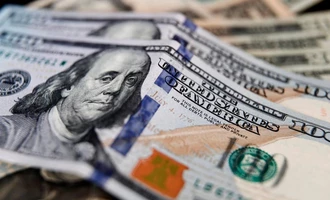
The exchange rate is quoted at Bs 9.76 per dollar / Photo: Social Media
The banking sector stated that the financial system is prepared to operate under the new exchange-rate regime and announced that, beginning July 15, the gradual return of dollar deposits will continue.
The Association of Private Banks of Bolivia (Asoban) assured that the modification of the exchange-rate regime and the adoption of the new official exchange rate will not affect loans or deposits in the national currency, because virtually the entire portfolio of the financial system is denominated in bolivianos.
Asoban Executive Secretary Nelson Villalobos explained that the country had already been undergoing a process of devaluation since 2023, driven by the decline in international reserves and the shortage of foreign currency, so the recent adjustment merely formalizes a situation that the market had already been reflecting.
“What has been done now is to formalize the exposure of financial statements to the new official exchange rate of the Central Bank,” he stated.
Loans and Savings in Bolivianos Remain Unchanged
Villalobos noted that 99.5% of the loan portfolio is denominated in the national currency, meaning that loans contracted in bolivianos will maintain the same conditions agreed upon with financial institutions.
Regarding deposits, he indicated that the majority are also held in the national currency and therefore will not undergo modifications resulting from the new exchange-rate regime.
The situation is different for deposits held in dollars, which will be re-expressed according to the new official exchange rate.
Return of Dollar Deposits Continues
The executive recalled that the Central Bank maintains its commitment to progressively restore foreign-currency deposits that were withheld due to the shortage of foreign exchange.
He indicated that a first stage of repayments for deposits of up to $1,000 has already been completed, although nearly 70% of clients chose to keep those funds within the financial system.
Villalobos announced that a new phase will begin on July 15, when the Central Bank provides foreign currency to financial institutions so they can continue making repayments.
The schedule provides for staggered monthly payments, beginning with amounts of up to $3,000, later up to $5,000, and so on, under a plan projected to continue through 2028.
The Asoban representative maintained that this mechanism will allow savers to be served gradually while the availability of foreign currency in the financial system improves.
Por Ernesto Estremadoiro Flores, El Deber:
El tipo de cambio se cotiza en Bs 9,76 por dólar/Foto: Redes
El sector bancario afirmó que el sistema financiero está preparado para operar bajo el nuevo régimen cambiario y anunció que, desde el 15 de julio continuará la devolución gradual de depósitos en dólares.
La Asociación de Bancos Privados de Bolivia (Asoban) aseguró que la modificación del régimen cambiario y la adopción del nuevo tipo de cambio oficial no afectarán los créditos ni los depósitos en moneda nacional, debido a que prácticamente toda la cartera del sistema financiero está denominada en bolivianos.
El secretario ejecutivo de Asoban, Nelson Villalobos, explicó que el país ya venía atravesando un proceso de devaluación desde 2023, impulsado por la caída de las reservas internacionales y la escasez de divisas, por lo que el reciente ajuste oficializa una situación que el mercado ya reflejaba.
“Lo que se ha hecho ahora es formalizar la exposición de los estados financieros al nuevo tipo de cambio oficial del Banco Central”, afirmó.
Créditos y ahorros en bolivianos no cambian
Villalobos señaló que el 99,5% de la cartera de créditos está en moneda nacional, por lo que los préstamos contratados en bolivianos mantendrán las mismas condiciones pactadas con las entidades financieras.
En el caso de los depósitos, indicó que la mayor parte también se encuentra en moneda nacional, por lo que tampoco sufrirá modificaciones derivadas del nuevo régimen cambiario.
La situación es distinta para los depósitos constituidos en dólares, que serán re-expresados conforme al nuevo tipo de cambio oficial.
Continúa la devolución de depósitos en dólares
El ejecutivo recordó que el Banco Central mantiene el compromiso de restituir progresivamente los depósitos en moneda extranjera retenidos por la falta de divisas.
Indicó que ya concluyó una primera etapa de devolución para depósitos de hasta 1.000 dólares, aunque cerca del 70% de los clientes decidió mantener esos recursos en el sistema financiero.
Villalobos anunció que una nueva fase comenzará el 15 de julio, cuando el Banco Central entregue divisas a las entidades financieras para continuar con las devoluciones.
El cronograma contempla pagos mensuales escalonados, iniciando con montos de hasta 3.000 dólares, posteriormente hasta 5.000 dólares y así sucesivamente, con un plan previsto hasta la gestión 2028.
El representante de Asoban sostuvo que este mecanismo permitirá atender gradualmente a los ahorristas mientras mejora la disponibilidad de divisas en el sistema financiero.


Leave a Reply