By Valentina H. Rubin de Celis, El Pais:
Between Caregiving and the Informal Economy
Between 70% and 85% of women work in the informal economy, meaning they lack job stability, health insurance, and retirement contributions. The situation becomes even more difficult when motherhood is added to the equation.
Care Work Is Essential, Yet Invisible
More than 70% of women in Bolivia work in the informal economy. In other words, seven out of ten women work without access to job stability, health insurance, or pension contributions. The situation worsens for mothers.
Other studies, such as those conducted by the Coordinadora de la Mujer, place the figure at 83% of the economically active female population, confirming the persistence of precarious working conditions for most women in the country. Their participation in the labor market occurs under highly vulnerable conditions, especially when they must balance paid work with caregiving responsibilities at home.
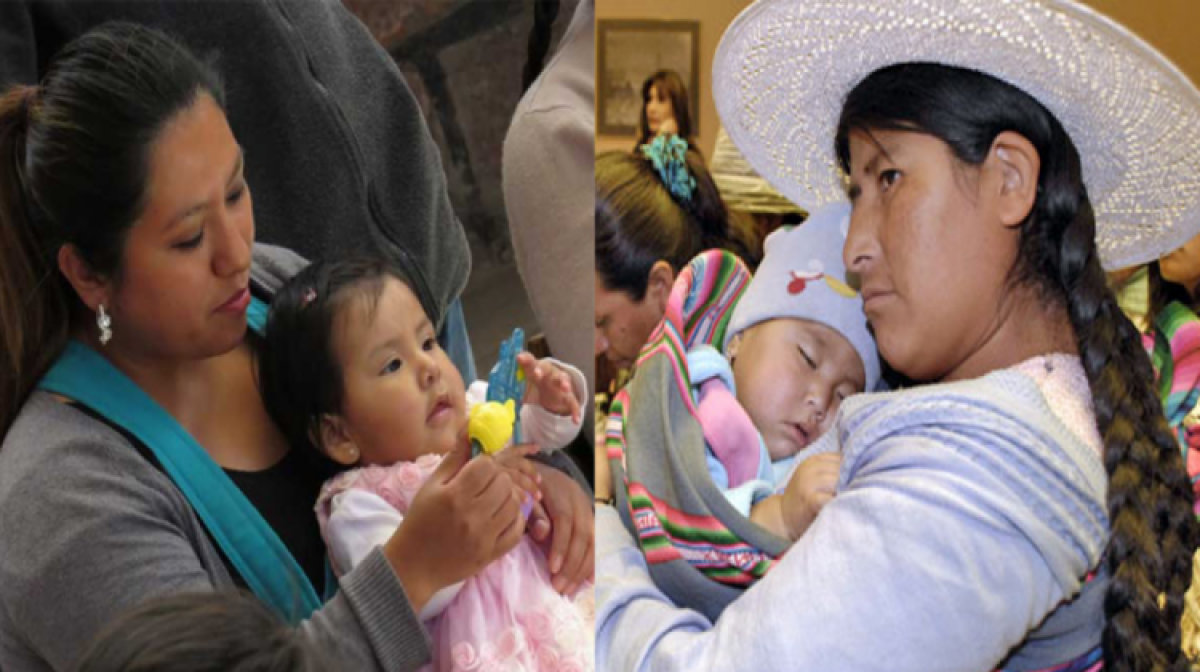
While much of the city sleeps, thousands of women in Tarija have already begun their day. They prepare breakfast, get their children ready for school, clean the house, and organize the day before heading out to sell goods in markets, fairs, plazas, or on the streets. Hours later, when they return home, their workday is far from over: they continue with household chores, help with school assignments, prepare dinner, and care for their families.
An Economy Sustained by Women
Today, nearly four out of ten households in Tarija are headed by women. According to data shared by Mariana Torres, communications specialist at the Alternative Communication Team with Women (ECAM), 39.2% of households in the department were headed by women in 2024.
Behind that economic responsibility, however, lies a less visible reality: women remain the primary caregivers for children, older adults, people with disabilities, and the overall maintenance of the household.
COLLABORATION: This report is the result of an educational collaboration between communication students from UPDS and El País.
“The care economy constitutes one of the main barriers to women’s access to and retention in formal employment,” explains Torres.
The data support that statement. According to the study Alli Cullqi: Economic Rights of Diverse Women in Bolivia, women devote an average of 39 hours per week to unpaid domestic and caregiving work, compared to 14 hours for men.
This means that, in addition to earning income, many women remain primarily responsible for cooking, cleaning, caring for children, helping with schoolwork, attending to sick or elderly relatives, and managing the day-to-day functioning of the household.
This overload of responsibilities reduces the time available to access formal jobs, receive training, or build a professional career. In fact, the same study found that 70% of women who are not seeking paid employment identify caregiving duties as the main reason. In other words, thousands of women remain outside the labor market not because they lack interest or qualifications, but because caregiving responsibilities fall almost exclusively on them.
Informality: An Immediate but Precarious Solution
For many mothers, informal work appears to be the only possible way to combine income generation with childcare.
“Informality becomes a form of economic autonomy, but also the only option for many women. The problem is that this choice means giving up basic rights such as healthcare and retirement benefits. It is not a long-term solution; many women are putting their old age and future at risk,” says Torres.
Most of these women work in activities such as selling clothing and food, street vending, agricultural work, or small family businesses.
According to the Alli Cullqi study, more than 70% of women earn less than 2,700 bolivianos per month, which corresponded to the national minimum wage until 2025. In addition, women earn between 25% and 30% less than men, a gap that can exceed 40% in rural areas.
Only three out of ten women have health insurance or contribute to a future pension.
“I Play the Role of Both Mother and Father”
Behind the statistics are real stories.
One market vendor, a mother of three daughters aged 13, 10, and an infant, has spent more than a decade working to support her family alone.
Her day begins by preparing breakfast and continues throughout the day at the market alongside her daughters. “I play the role of both mother and father,” she says.
She explains that she chose to remain in informal commerce because it allows her to stay close to her children. “I don’t dare work in something else because I feel I could neglect my children. Here I’m with them, whether it’s cold or hot,” she explains.
That decision, however, comes with sacrifices. During her last pregnancy, doctors advised her to rest, but she kept working. “I had to go out and work no matter what. I separated from my partner and was pregnant. I had to stay strong and keep going,” she recalls. She works seven days a week and has no health insurance, pension, or paid vacation.
Living Day to Day
Another woman interviewed has spent ten years selling candy in a city plaza. She has three children and became her household’s primary provider after her husband suffered an accident that left him unable to work.
Her day begins with household chores and extends until ten at night.
“You work to help your children move forward. That’s what motivates me,” she says.
When asked what it means to live day by day, she answers with a phrase that summarizes the reality of thousands of families:
“If you sell today, you eat today. If you don’t sell, you don’t.”
Researchers describe this “day-to-day logic” not as a lack of planning, but as a survival strategy in the face of permanent economic uncertainty.
Having a Thousand Hands
A third mother combines two jobs: cleaning work in the mornings and selling candy in a plaza in the afternoons. She has three children and is also the main economic provider of her household.
Her workday exceeds eleven hours. “There’s never enough time. You don’t know whether you’ll be working or caregiving. You need a thousand hands to do everything and make sure nothing is missing,” she says.
Although she recently secured a cleaning job, she continues selling candy because the income is insufficient. “Even with these two jobs, it’s not enough. I’m looking for another one.”
She summarizes the vulnerability of many informal workers in a single sentence: “If I get sick, there’s nothing. No food, no one to look after the children. Everything falls apart. I can’t afford to get sick.”
Invisible Work
The testimonies share one common theme: working does not simply mean earning money. Behind every workday lies another parallel workday that is rarely acknowledged but determines the time, opportunities, and decisions of thousands of women in Tarija and across Bolivia.
Mariana Torres explains that women constantly navigate two worlds. “Women live balancing caregiving work with market work that provides income.”
And when they cannot manage alone, they turn to other women. “Survival strategies rely on extended caregiving networks: sisters, mothers, mothers-in-law, aunts. Other women end up carrying the caregiving responsibilities so that they can continue producing income.”
According to ECAM data, two out of ten women take their children to work; another two rely on relatives for childcare; four use schools as the primary caregiving space during the day; and only one in ten can access private childcare services.
“Women do not go to work with peace of mind. If something happens, they feel the blame falls on them,” says Torres.
Better Educated, Yet Facing Fewer Opportunities
The paradox is clear. Despite advances in education, women continue to face structural barriers that limit their access to formal, stable, and better-paid employment.
The 2024 Census shows that women in Tarija have higher levels of higher education than men: 34.2% attained higher education, compared to 32.5% of men.
Yet this preparation does not translate into better employment opportunities.
“If we are the ones studying the most, that should be reflected in employment rates, but it is not,” Torres argues.
This creates a structural contradiction: women are more educated but more exposed to informality, underemployment, and interruptions in their careers due to unpaid caregiving responsibilities.
When Care Supports What the Economy Does Not See
Unpaid domestic and caregiving work represents between 16% and 25% of Bolivia’s Gross Domestic Product (GDP), according to estimates from Alianza por la Solidaridad and the Plurinational Service for Women and Depatriarchalization (Sepmud).
Despite its enormous economic contribution, it remains largely invisible.
To address this situation, organizations working on the issue promote proposals based on the “3Rs”: recognize, redistribute, and reduce care work.
“First, we must recognize and measure it. Then redistribute it among the state, businesses, families, and society. Finally, reduce it through public care services and labor policies that promote shared responsibility,” explains Torres.
“We cannot talk about care without investment,” she adds.
Freeing Time to Achieve Equality
While debates about public policy continue, thousands of mothers remain supporting their households through informal work.
According to a recent study by CEDLA, more than 93% of women in Bolivia’s main cities perform unpaid domestic and caregiving work throughout their lives.
The question that remains is not how much women work, but how much longer the economy can continue relying on labor that remains invisible.
Because behind every market stall, every street vendor, and every mother returning home late at night, there is a common reality: they sustain families, communities, and a significant portion of the economy, yet they continue doing so under conditions that are still far from dignified.
Por Valentina H. Rubin de Celis, El Pais:
Entre el cuidado del hogar y la economía informal
Entre un 70 y un 85% de las mujeres trabaja en la informalidad, es decir, sin estabilidad laboral ni acceso al seguro de salud o aportes para la jubilación. La situación se agrava si se añade la maternidad
La labor de cuidado es fundamental, pero invisible
Más del 70% de las mujeres en Bolivia trabaja en la informalidad, es decir, siete de cada diez mujeres trabajan sin acceso a estabilidad laboral, seguro de salud o aportes para la jubilación, la situación se agrava con la maternidad.
Otras investigaciones, como las de la Coordinadora de la Mujer, elevan la cifra al 83% de la población económicamente activa femenina, lo que confirma la persistencia de condiciones laborales precarias para la mayoría de mujeres en el país y que su inserción en el mercado de trabajo se da en condiciones de alta vulnerabilidad, especialmente cuando deben compatibilizar el empleo con las responsabilidades de cuidado en el hogar.
Mientras gran parte de la ciudad duerme, miles de mujeres en Tarija ya comenzaron su jornada. Preparan el desayuno, alistan a sus hijos para la escuela, limpian la casa y organizan el día antes de salir a vender en mercados, ferias, plazas o calles. Horas después, cuando regresan a casa, la jornada laboral no termina: continúan con las tareas domésticas, ayudan con las tareas escolares, preparan la cena y cuidan de sus familias.
Una economía sostenida por mujeres
Actualmente, casi cuatro de cada diez hogares tarijeños tienen una mujer como jefa de hogar. Según datos compartidos por la técnica del Equipo de Comunicación Alternativa con Mujeres (ECAM), Mariana Torres, el 39,2% de los hogares del departamento estaban encabezados por mujeres en 2024.
Sin embargo, detrás de esa responsabilidad económica existe una realidad menos visible: las mujeres continúan siendo las principales responsables del cuidado de hijos, adultos mayores, personas con discapacidad y del mantenimiento del hogar.
COLABORACIÓN Este reportaje es fruto de la colaboración pedagógica en la formación profesional de los estudiantes de comunicación de la UPDS y El País
“La economía del cuidado constituye una de las principales barreras para el acceso y la permanencia de las mujeres en el empleo formal”, explica Torres.
Los datos respaldan esa afirmación. Según el estudio Alli Cullqi: Derechos económicos de las mujeres en su diversidad en Bolivia, las mujeres dedican en promedio 39 horas semanales al trabajo doméstico y de cuidados no remunerados, frente a las 14 horas que dedican los hombres.
Esto significa que, además de generar ingresos, muchas mujeres continúan siendo las principales responsables de cocinar, limpiar, cuidar a los hijos, acompañar tareas escolares, atender a personas enfermas o adultas mayores y organizar el funcionamiento cotidiano del hogar.
Esta sobrecarga de responsabilidades reduce el tiempo disponible para acceder a empleos formales, capacitarse o desarrollar una carrera laboral. De hecho, el mismo estudio señala que el 70% de las mujeres que no busca un empleo remunerado identifica las tareas de cuidado como la principal razón. En otras palabras, miles de mujeres quedan fuera del mercado laboral no por falta de interés o preparación, sino porque las exigencias del cuidado recaen casi exclusivamente sobre ellas.
La informalidad: una solución inmediata, pero precaria
Para muchas madres, la economía informal aparece como la única alternativa posible para combinar la generación de ingresos con el cuidado de sus hijos.
“La informalidad se convierte en una forma de autonomía económica, pero también en la única opción para muchas mujeres. El problema es que esa decisión implica renunciar a derechos básicos como la salud o la jubilación. No es una solución a largo plazo; muchas están poniendo su vejez y su futuro en la nada”, sostiene Torres.
La mayoría de estas mujeres se desempeña en actividades como la venta de ropa, alimentos, comercio ambulante, trabajo agrícola o pequeños emprendimientos familiares.
Según la investigación Alli Cullqi, más del 70% de las mujeres gana menos de 2.700 bolivianos mensuales, monto que correspondía al salario mínimo nacional hasta 2025. Además, perciben entre un 25% y un 30% menos ingresos que los hombres, una brecha que puede superar el 40% en áreas rurales.
A esto se suma que solo tres de cada diez mujeres cuentan con seguro de salud o aportes para una futura jubilación.
“Yo llevo el rol de mamá y papá”
Detrás de las estadísticas existen historias concretas.
Una comerciante del mercado, madre de tres hijas de 13, 10 años y un bebé, lleva más de una década trabajando para sostener sola a su familia.
Su rutina comienza preparando el desayuno y continúa durante todo el día en el mercado junto a sus hijas. “Yo llevo el rol de mamá y papá”, relata.
La mujer asegura que decidió permanecer en el comercio informal porque le permite estar cerca de sus hijas: “No me animo a trabajar en otra cosa porque siento que puedo descuidar a mis hijos. Aquí estoy con ellos, haga frío o haga calor”, explica.
Sin embargo, esa decisión también implica sacrificios. Durante su último embarazo debía guardar reposo por recomendación médica, pero continuó trabajando. “Tenía que salir sí o sí. Me separé de mi pareja y me quedé embarazada. Tenía que seguir siendo fuerte y levantarme”, recuerda, además, trabaja de lunes a lunes y no cuenta con seguro de salud, jubilación ni vacaciones.
Vivir al día
Otra mujer entrevistada vende caramelos en una plaza de la ciudad desde hace diez años. Tiene tres hijos y es la principal fuente de ingresos de su hogar desde que su esposo sufrió un accidente que lo dejó imposibilitado de trabajar.
Su jornada comienza con las tareas domésticas y se extiende hasta las diez de la noche.
“Uno trabaja para sacar adelante a sus hijos. Eso es lo que me motiva”, afirma.
Cuando se le pregunta qué significa vivir del día, responde con una frase que resume la realidad de miles de familias: “Si hoy vendes, tienes para comer. Si no vendes, no.”
Invisible “El trabajo de cuidado representa entre el 16% y el 25% del PIB boliviano, pero sigue siendo invisible” Mariana Torres – Técnica del ECAM
La llamada “lógica del día a día”, descrita por investigadores sociales, no representa una falta de planificación, sino una estrategia de supervivencia frente a la incertidumbre económica permanente.
Tener mil manos
Una tercera madre combina dos trabajos: por las mañanas realiza labores de limpieza y por las tardes vende caramelos en una plaza. Tiene tres hijos y es también la principal responsable económica de su hogar.
Su jornada supera las once horas diarias. “No alcanza el tiempo. No sabes si vas a trabajar, si vas a cuidar, tienes que tener mil manos para hacer todo y que no falte nada”, cuenta.
Aunque recientemente consiguió un empleo de limpieza, continúa vendiendo por las tardes porque los ingresos no alcanzan. “Con estos dos trabajos tampoco alcanza. Estoy buscando otro trabajo más.”
La mujer resume la vulnerabilidad de muchas trabajadoras informales en una sola frase: “Si yo me enfermo, no hay nada. No hay comida, no hay quien vea a los chicos. Se pierde todo. No puedo enfermarme.”
El trabajo invisible
Los testimonios coinciden en algo: trabajar no significa únicamente generar ingresos. Detrás de cada jornada laboral existe otra jornada paralela que rara vez se reconoce, pero que determina el tiempo, las oportunidades y las decisiones de miles de mujeres en Tarija y en Bolivia.
Mariana Torres explica que las mujeres viven conciliando permanentemente dos mundos. “Las mujeres vivimos conciliando los trabajos de cuidado con los trabajos mercantiles que nos dan dinero.”
Y cuando no pueden hacerse cargo solas, recurren a otras mujeres: “Las estrategias de supervivencia pasan por los cuidados ampliados: la hermana, la mamá, la suegra, la tía. Son otras mujeres las que terminan sosteniendo los cuidados para que ellas puedan seguir produciendo.”
El trabajo doméstico recae en la mayoría de mujeres El 93% de las mujeres en las principales ciudades de Bolivia realizan trabajos de cuidado, esta carga recae casi de forma total sobre ellas al sostener hogares y la economía familiar, pero sigue siendo poco reconocida social y políticamente
Según datos compartidos por ECAM, dos de cada diez mujeres llevan a sus hijos al trabajo; otras dos recurren a familiares para que los cuiden; cuatro utilizan la escuela como principal espacio de cuidado durante el día; y solo una de cada diez puede acceder a servicios privados de cuidado.
“Las mujeres no se van tranquilas a trabajar. Si pasa algo, sienten que la culpa es de ellas”, señala Torres.
Más preparadas, pero con menos oportunidades
La paradoja resulta evidente. A pesar de los avances en educación, las mujeres continúan enfrentando barreras estructurales que limitan su acceso a empleos formales, estables y mejor remunerados.
El Censo 2024 muestra que las mujeres tienen mayores niveles de educación superior que los hombres en Tarija: el 34,2% alcanzó estudios superiores frente al 32,5% de los varones.
Sin embargo, esa preparación no se traduce en mejores oportunidades laborales. “Si somos las que más estudiamos, eso debería reflejarse en las tasas de empleabilidad, pero no ocurre así”, cuestiona Torres.
Esto genera una contradicción estructural: mujeres más formadas, pero más expuestas a la informalidad, al subempleo o a la interrupción de sus trayectorias laborales por las tareas de cuidado no remunerado.
Cuando el cuidado sostiene lo que la economía no ve
El trabajo doméstico y de cuidado no remunerado representa entre el 16% y el 25% del Producto Interno Bruto (PIB) boliviano, según estimaciones de la Alianza por la Solidaridad, el Servicio Plurinacional de la Mujer y la Despatriarcalización (Sepmud).
A pesar de su enorme aporte económico, continúa siendo un trabajo invisibilizado.Para enfrentar esta situación, organizaciones que trabajan en la temática impulsan propuestas basadas en las llamadas “3R”: reconocer, redistribuir y reducir los trabajos de cuidado.
“Primero hay que reconocerlos y cuantificarlos. Después redistribuirlos entre el Estado, las empresas, las familias y la sociedad. Y finalmente reducirlos mediante servicios públicos de cuidado y políticas laborales que promuevan la corresponsabilidad”, explica Torres.
“No podemos hablar de cuidados sin inversión.”, señala.
Liberar tiempo para alcanzar igualdad
Mientras los debates sobre políticas públicas continúan, miles de madres siguen sosteniendo hogares desde la informalidad. Según un reciente estudio del CEDLA, más del 93% de las mujeres en las principales ciudades de Bolivia realiza trabajo doméstico y de cuidado no remunerado a lo largo de toda su vida.
La pregunta que queda abierta no es cuánto trabajan las mujeres, sino cuánto más puede seguir descansando la economía sobre una labor que permanece invisible.
Porque detrás de cada puesto de venta, de cada comerciante ambulante o de cada madre que vuelve a casa entrada la noche, existe una realidad común: sostienen familias, sostienen comunidades y sostienen una parte importante de la economía, pero continúan haciéndolo desde condiciones que aún están lejos de ser dignas.
https://elpais.bo/reportajes/20260614_madres-atrapadas-en-la-informalidad-laboral.html


Leave a comment