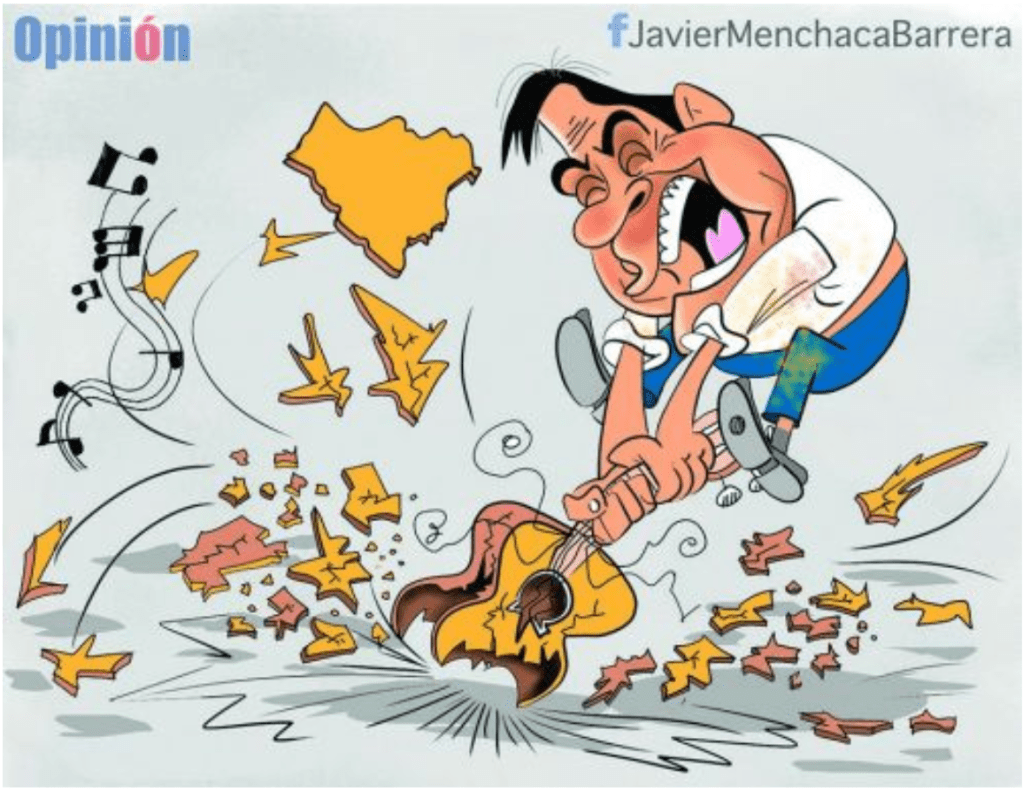
Editorial, Bolivian Thoughts:
Since May 1st, Bolivia has faced an escalating wave of blockades, violent confrontations, attacks on police, assaults against journalists, shortages of fuel and food, and the paralysis of highways across multiple departments. What began as sector protests has evolved into a nationwide campaign of pressure designed to destabilize the country through fear, economic sabotage, and street violence.
La Paz has become the symbol of the crisis, with dynamite explosions, clashes against police, and mobs attempting to force their way into the political center of the nation. But the damage extends far beyond the capital. Highways have been blocked across Bolivia, transport routes interrupted, fuel convoys delayed, and productive sectors pushed toward collapse. Thousands of ordinary Bolivians — workers, transportistas, gremiales, farmers, and small businesses — are paying the price of organized political chaos.
The country can no longer continue treating these actions as harmless “social protests.” When roads are closed, oxygen deliveries delayed, journalists attacked, and entire cities held hostage, this stops being democratic dissent and becomes organized coercion.
President Rodrigo Paz must act firmly within the law. Bolivia already has laws against violent blockades, destruction of property, assaults against police, and organized intimidation. Those financing, directing, and executing these violent operations must be arrested and prosecuted immediately. The state cannot surrender public order every time radical groups threaten the streets.
Bolivians also deserve honesty about who benefits from this instability. Many of these mobilizations are openly encouraged by political actors tied to masismo networks, coca interests, contraband mafias, and narcotrafficking structures that thrive in disorder and institutional weakness. Chaos has become a political and economic weapon.
There must also be accountability for those intellectuals, politicians, activists, and commentators who continue excusing or romanticizing this violence whenever it serves their ideological side. Silence in the face of organized intimidation is complicity. One cannot defend democracy while justifying mobs that terrorize citizens and paralyze the nation.
Bolivia’s majority wants stability, work, investment, and the rule of law — not permanent blackmail from violent political networks determined to drag the country backward.
Editorial Pensamientos Bolivianos:
Desde el 1 de mayo, Bolivia vive una peligrosa escalada de bloqueos, violencia callejera, ataques contra policías y periodistas, desabastecimiento de combustible y paralización de carreteras en varios departamentos. Lo ocurrido en La Paz este fin de semana no fue un hecho aislado, sino parte de una estrategia nacional de presión y caos impulsada por grupos radicales que buscan imponer sus intereses mediante el miedo y la intimidación.
Las imágenes de dinamita, enfrentamientos y ciudades sitiadas reflejan un país cansado de vivir bajo amenaza permanente. Miles de ciudadanos —transportistas, gremiales, pequeños negocios y trabajadores— están pagando el precio de una violencia organizada que golpea la economía y destruye la estabilidad nacional.
Bolivia no puede seguir normalizando estos bloqueos como si fueran simples “protestas sociales”. Cuando se cierran carreteras, se paraliza el abastecimiento, se ataca a periodistas y se agrede a policías, deja de ser protesta democrática y se convierte en coerción organizada.
El presidente Rodrigo Paz debe hacer cumplir plenamente las leyes existentes. Bolivia ya tiene normas contra bloqueos violentos, destrucción de propiedad y ataques contra fuerzas del orden. Los responsables de financiar, dirigir y ejecutar estas acciones deben ser arrestados y procesados inmediatamente. El Estado no puede retroceder cada vez que grupos radicales amenazan con incendiar las calles.
También es momento de decir una verdad incómoda: gran parte de esta violencia está alimentada por redes vinculadas al masismo radical, intereses cocaleros, contrabando y estructuras del narcotráfico que prosperan en medio del desorden y la debilidad institucional. El caos se ha convertido en herramienta política y económica.
Y debe existir responsabilidad moral para aquellos políticos, activistas, intelectuales y comentaristas que justifican o minimizan esta violencia porque coincide con sus simpatías ideológicas. No se puede defender la democracia mientras se guarda silencio frente a grupos que paralizan el país mediante el miedo.
La mayoría de los bolivianos quiere trabajar, producir y vivir en paz. Bolivia necesita orden, Estado de derecho y autoridad democrática, no más chantaje de mafias políticas disfrazadas de movimientos sociales.


Leave a Reply