By El Deber:

The selection comes from the specialized gastronomy magazine Food & Wine. In its review, it highlights the use of Amazonian ingredients as well as a menu centered on Bolivia’s biodiversity.
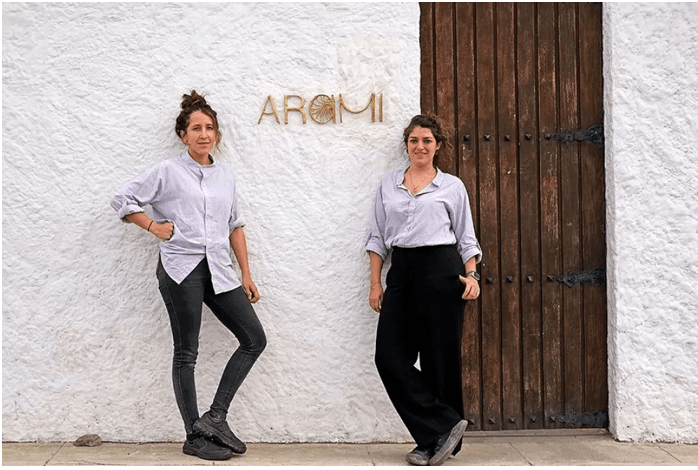
The restaurant Arami is among the best in the world. The specialized magazine Food & Wine, a benchmark in gastronomic culture, places it in 4th position and highlights its Amazonian ingredients as well as a menu centered on Bolivia’s biodiversity.
The restaurant benefits from the experienced hand of chef Marsia Taha. The work of sommelier Andrea Moscoso stands out for the diversity of ingredients from the Bolivian Amazon, as well as for the beverage menu that includes national wines and preparations with Amazonian fruits, notes the Food & Wine publication.
“The common goal: to support the sustainable livelihoods of Bolivia’s indigenous communities that hunt, fish, gather, and cultivate some of the country’s most special foods,” the magazine states.
“Behind this recognition, we have many hands that work the land, the local product, and the Amazon that inspires us every day. We thank our team and Food & Wine for highlighting the essence of our gastronomy,” the Bolivian restaurant said in a post.
Arami, whose name in Guaraní means “little piece of heaven,” appears on this list alongside restaurants such as Ikoyi from England, Maido from Peru, Cena Ciel from Vietnam; Potong from Thailand; Naar from India; Botánico from Mexico; Roscioli Salumeria Con Cucina from Italy; a school cafeteria cook from Canada; and San Pedro from Australia.
All of these establishments were selected by travel and gastronomy experts not only for their technical excellence but also for their unique perspective. “They reflect the exchange of ideas, ingredients, and influences across borders,” the magazine states.
The Vice Ministry of Gastronomy celebrates that Bolivian flavors transcend borders and are internationally recognized for their excellent quality and the diversity of their gastronomic offering.
Food & Wine is a global reference in gastronomic culture that shares places to eat from around the world, beverages, culinary experiences, among others.
https://eldeber.com.bo/sociales/arami-restaurante-boliviano-figura-mejores-mundo_1776981171
Excerpt from Food @ Wine:
The Top 10 Global Restaurants, According to the Experts
These are the restaurants redefining destination dining.
:max_bytes(150000):strip_icc():format(webp)/GT-Best-Global-Restaurants-FT-DGTL0426-IKOYI-HERO-02-6d0ea64542384587ad64f82f4fb71333.jpg)
Restaurants have long been the calling card of great destinations. Across the world, chefs are staking out personal territory, using their nation’s histories, ancestral techniques, and regional agriculture as a foundation, layering that with a perspective that only comes from cooking far beyond home. In Lima, a tasting menu traces a chef’s journey from Japan back to Peru. In the Bolivian Amazon, cassava and river fish anchor a menu built around biodiversity. In northern India, Himalayan grains and yak cheese give travelers a richer perspective on mountain life.
These establishments, all part of this year’s Food & Wine Global Tastemakers list of Best International Restaurants, were selected by travel and food experts not simply for technical perfection, but also for their special points of view. They reflect the movement of ideas, ingredients, and influence across borders. And, naturally, all of them are worth planning entire trips around.
…
04of 10
Arami (La Paz, Bolivia)
:max_bytes(150000):strip_icc():format(webp)/GT-Best-Global-Restaurants-FT-DGTL0426-ARAMI-b1896b7190f0496b8cc69761e16c10cb.jpg)
In Guaraní, one of Bolivia’s many official languages, arami translates to something like “a little piece of heaven.” Founders Marsia Taha Mohamed and Andrea Moscoso Weise may have chosen it to refer to the restaurant, in the capital’s swanky Distrito Sur: their first independent project, founded in 2024 after they’d worked together for many years at nearby Gustu. Arami’s name might also refer to Bolivia itself — specifically the Bolivian Amazon, whose sprawling biodiversity is the focus of the project. Taha Mohamed spotlights native Bolivian ingredients and pre-Hispanic techniques. On her tasting menu, you might encounter tucupi, a bright yellow sauce made from fermented manioc; Amazon River proteins like caiman and piranha; or foods from where the rainforest meets the Andes, like sachatomate (or tamarillo), a high-altitude fruit related to the tomato. Sommelier Moscoso Weise, a sociologist by training, has constructed a beverage list of exclusively Bolivian wines, spotlighting homegrown grape varieties like Vischoqueña, plus tropical-fruit cocktails and Amazonian-spiced vermouth. A shared goal: supporting sustainable livelihoods for the Indigenous communities in Bolivia who hunt, fish, forage, and farm some of the country’s most special foods.
…
To uncover the best food and drink experiences for travelers, Food & Wine polled over 400 chefs, travel experts, food and travel writers, and wine pros from across the globe for their top culinary travel experiences. We then turned the results over to our Global Advisory Board, who ranked the top nominees in each category. For the full list of winners, visit foodandwine.com/globaltastemakers2026.
https://www.foodandwine.com/top-international-restaurants-2026-11916852
Por El Deber:
La selección corresponde a la revista especializada en gastronomía Food & Wine. En la critica destaca el uso de ingredientes de la Amazonía además de un menú centrado en la biodiversidad de Bolivia.
El restaurante Arami está entre los mejores del mundo. La revista especializada Food & Wine, un referente en la cultura gastronómica; lo coloca en el puesto 4 y destaca sus ingredientes de la Amazonía además de un menú centrado en la biodiversidad de Bolivia.
El restaurante cuenta con la experimentada mano de la chef Marsia Taha. Sobresale la labor de la sommelier Andrea Moscoso por la diversidad de ingredientes provenientes de la Amazonía boliviana, así como también por la carta de bebidas que incluye vinos nacionales y preparaciones con frutos amazónicos, señala la publicación de Food & Wine.
“El objetivo común: apoyar el sustento sostenible de las comunidades indígenas de Bolivia que cazan, pescan, recolectan y cultivan algunos de los alimentos más especiales del país”, indica la revista.
“Detrás de este reconocimiento contamos con muchas manos que trabajan la tierra, el producto local y la Amazonía que nos inspira cada día. Agradecemos a nuestro equipo y Food and Wine por destacar la esencia de nuestra gastronomía”, señaló en una publicación el restaurante boliviano.
Arami, cuyo nombre en guaraní significa “pedacito de cielo”, figura en esta lista junto a restaurantes como Ikoyi de Inglaterra, Maido de Perú, Cena Ciel de Vietnam; Potong de Tailandia; Naar de India; Botánico de México, Roscioli Salumeria Con Cucina de Italia, la cocinera del comedor escolar de Canadá y San Pedro de Australia.
Todos esos establecimientos fueron seleccionados por expertos en viajes y gastronomía, no sólo por su excelencia técnica, sino también por su perspectiva única. ‘Reflejan el intercambio de ideas, ingredientes e influencias a través de las fronteras’, señala la revista.
El Viceministerio de Gastronomía celebra que los sabores bolivianos trasciendan las fronteras y sean reconocidos internacionalmente por su excelente calidad y la diversidad de su oferta gastronómica.
Food & Wine es un referente mundial en cultura gastronómica que comparte lugares para comer de todo el mundo, bebidas, experiencias culinarias, entre otros.
https://eldeber.com.bo/sociales/arami-restaurante-boliviano-figura-mejores-mundo_1776981171
Extraído de Food & Wine:
Los 10 mejores restaurantes del mundo, según los expertos
Estos son los restaurantes que están redefiniendo el turismo gastronómico.
Por Hannah Walhout
Los restaurantes han sido durante mucho tiempo la carta de presentación de los grandes destinos. En todo el mundo, los chefs están definiendo territorios personales, utilizando las historias de sus países, técnicas ancestrales y la agricultura regional como base, y superponiendo a ello una perspectiva que solo se adquiere cocinando mucho más allá del lugar de origen. En Lima, un menú degustación recorre el viaje de un chef desde Japón de regreso al Perú. En la Amazonía boliviana, la yuca y los peces de río sostienen un menú construido en torno a la biodiversidad. En el norte de la India, los granos del Himalaya y el queso de yak ofrecen a los viajeros una visión más rica de la vida en la montaña.
Estos establecimientos, todos parte de la lista Global Tastemakers de Food & Wine de este año de los Mejores Restaurantes Internacionales, fueron seleccionados por expertos en viajes y gastronomía no solo por su perfección técnica, sino también por sus puntos de vista particulares. Reflejan el movimiento de ideas, ingredientes e influencias a través de las fronteras. Y, naturalmente, todos ellos merecen planificar viajes enteros a su alrededor.
…
04 de 10
Arami (La Paz, Bolivia)
En guaraní, uno de los muchos idiomas oficiales de Bolivia, arami se traduce como algo parecido a “un pequeño pedazo de cielo”. Las fundadoras Marsia Taha Mohamed y Andrea Moscoso Weise pueden haber elegido el nombre para referirse al restaurante, ubicado en el elegante Distrito Sur de la capital: su primer proyecto independiente, fundado en 2024 después de haber trabajado juntas durante muchos años en el cercano Gustu. El nombre Arami también podría referirse a Bolivia en sí — específicamente a la Amazonía boliviana, cuya vasta biodiversidad es el eje del proyecto. Taha Mohamed destaca ingredientes nativos bolivianos y técnicas prehispánicas. En su menú degustación, uno puede encontrar tucupí, una salsa amarillo brillante hecha de yuca fermentada; proteínas del río Amazonas como el caimán y la piraña; o alimentos de la zona donde la selva se encuentra con los Andes, como el sachatomate (o tamarillo), una fruta de altura emparentada con el tomate. La sommelier Moscoso Weise, socióloga de formación, ha construido una carta de bebidas exclusivamente con vinos bolivianos, destacando variedades de uva locales como la Vischoqueña, además de cócteles de frutas tropicales y vermut especiado amazónico. Un objetivo compartido: apoyar medios de vida sostenibles para las comunidades indígenas de Bolivia que cazan, pescan, recolectan y cultivan algunos de los alimentos más especiales del país.
…
Para descubrir las mejores experiencias gastronómicas y de bebidas para los viajeros, Food & Wine encuestó a más de 400 chefs, expertos en viajes, escritores de gastronomía y turismo, y profesionales del vino de todo el mundo sobre sus principales experiencias culinarias de viaje. Luego, los resultados fueron evaluados por su Consejo Asesor Global, que clasificó a los mejores nominados en cada categoría. Para ver la lista completa de ganadores, visite foodandwine.com/globaltastemakers2026.
https://www.foodandwine.com/top-international-restaurants-2026-11916852


Leave a Reply