By Iván Ramos, Erbol:
The secret of Simeón Roncal: how the Bolivian cueca was born between charangos and sacred music
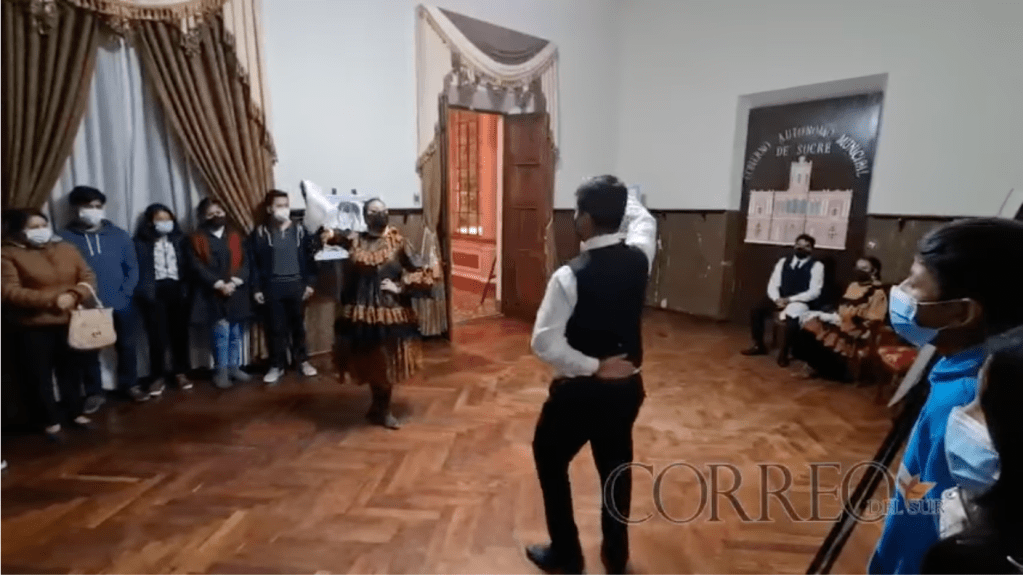
Simeón Tadeo Roncal Gallardo did not only compose cuecas. He built a bridge—between the rhythms of northern Potosí, European classical music, and the baroque cathedral tradition that still resonated in Sucre.
That combination—which today defines the Bolivian cueca—was not born in salons, but along a journey.
Roncal first listened in territories such as Tomoyo, Ravelo, Tinguipaya, Pocoata, and Macha. There, he absorbed the pulse of rural charangos and the melodies that circulated outside written records.
Later, in the city, he did something different: he organized that material. He integrated it with academic structures, with the harmony of the great masters, and with the influence of sacred music that was part of Sucre’s cultural environment. The result was a stylized cueca, capable of moving between the popular and the formal.
This is no minor detail. Recent research and the sustained work of specialists such as Guillermo Calvo agree that this fusion explains why Roncal’s work marked a turning point.
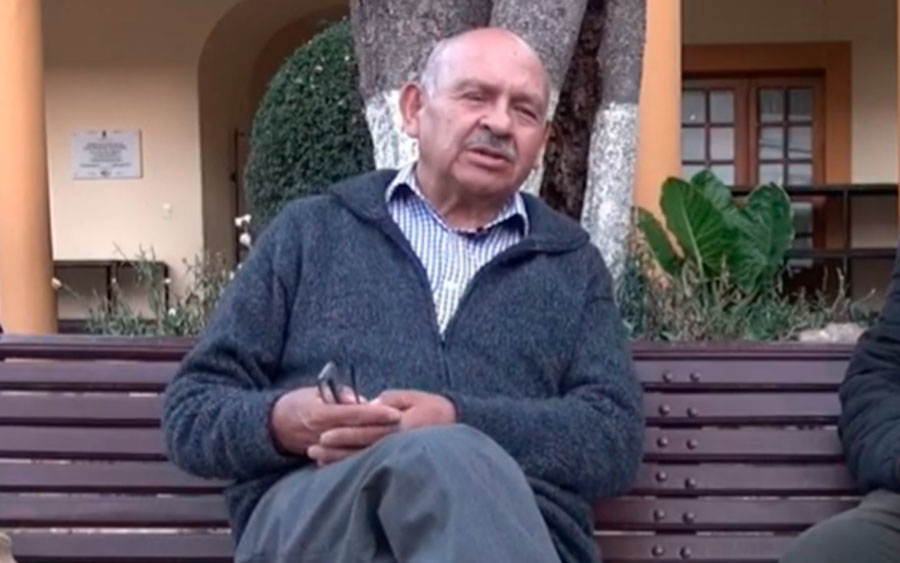
This reading is reinforced by guitarist Antonio Arandia and musician Willy Claure, who maintain that it is here that the cueca is consolidated as a national genre.
Roncal was born in Sucre on April 21, 1870.
He lived between two centuries and two musical worlds. From one, he took the root; from the other, the form.
His work—around twenty cuecas—maintains a singular characteristic: it is infused with the personal.
Titles such as La Ausencia, La Brisa, Noche Tempestuosa, Rosa, La Huérfana Virginia, or El Olvido do not only name musical pieces, but intimate episodes. Several were dedicated to his daughters, Raquel and Julia, and to his son Simeón.
In 1986, in La Paz, conductor Rolando Encinas Calderón found part of this repertoire in the national music repository. The first piece that struck him was El Olvido.
Since then, its dissemination has allowed new generations to perform Roncal once again.
The composer died on January 13, 1953, in La Paz. His remains remain there.
In Sucre, the connection has not been broken. The city keeps him alive in everyday practice: every Sunday at noon, a cueca by Simeón Roncal Gallardo is once again played on Radio La Plata, in a message of “Bolivian identity.”
At the same time, a debt remains. The transfer of his remains to his hometown is still pending, awaiting authorization from his family.
Meanwhile, his legacy continues to be active—not as an archival piece, but as music that still circulates, is performed, and defines a part of Bolivian identity.
Por Iván Ramos – Periodismo que Cuenta, Erbol:
El secreto de Simeón Roncal: así nació la cueca boliviana entre charangos y música sacra
Simeón Tadeo Roncal Gallardo no solo compuso cuecas. Construyó un puente. Entre los ritmos del norte de Potosí, la música clásica europea y la tradición catedralicia barroca que aún resonaba en Sucre.
Esa combinación —que hoy define a la cueca boliviana— no nació en los salones, sino en el recorrido.
Roncal escuchó primero en territorios como Tomoyo, Ravelo, Tinguipaya, Pocoata y Macha. Ahí recogió el pulso de los charangos campesinos y de las melodías que circulaban fuera del registro escrito.
Luego, en la ciudad, hizo algo distinto: ordenó ese material. Lo integró con estructuras académicas, con la armonía de los grandes maestros y con la influencia de la música sacra que formaba parte del entorno cultural sucrense. El resultado fue una cueca estilizada, capaz de transitar entre lo popular y lo formal.
El dato no es menor. Investigaciones recientes y el trabajo sostenido de especialistas como Guillermo Calvo coinciden en que esa fusión explica por qué la obra de Roncal marcó un punto de inflexión.
A esa lectura se suman el guitarrista Antonio Arandia y el músico Willy Claure, quienes sostienen que allí se consolida la cueca como género nacional.
Roncal nació en Sucre el 21 de abril de 1870.
Vivió entre dos siglos y dos mundos musicales. De uno tomó la raíz; del otro, la forma.
Su obra —alrededor de veinte cuecas— mantiene una característica singular: está atravesada por lo personal.
Títulos como La Ausencia, La Brisa, Noche Tempestuosa, Rosa, La Huérfana Virginia o El Olvido no solo nombran piezas musicales, sino episodios íntimos. Varias fueron dedicadas a sus hijas, Raquel y Julia, y a su hijo Simeón.
En 1986, en La Paz, el director Rolando Encinas Calderón encontró parte de ese repertorio en el repositorio nacional de música. La primera pieza que lo impactó fue El Olvido.
Desde entonces, su difusión ha permitido que nuevas generaciones vuelvan a interpretar a Roncal.
El compositor murió el 13 de enero de 1953 en La Paz. Sus restos permanecen allí.
En Sucre, el vínculo no se ha roto. La ciudad lo mantiene vivo en la práctica cotidiana: cada domingo, al mediodía, una cueca de Simeón Roncal Gallardo vuelve a sonar en Radio La Plata, en un mensaje de “Bolivianidad”
Al mismo tiempo, persiste una deuda. El traslado de sus restos a su ciudad natal sigue pendiente, a la espera de la autorización de sus familiares.
Mientras tanto, su legado continúa activo. No como pieza de archivo, sino como una música que todavía circula, se interpreta y define una parte de la identidad boliviana.


Leave a Reply