
By Juan Jose Toro, Brujula Digital:
Photos: Unesco and El Potosí; BT archives
Bolivia is seeking to relaunch its international tourism after being highlighted by specialized media as one of the best destinations for 2026. With a new Ministry of Tourism, a country brand, and a broad range of cultural, natural, and archaeological heritage, the country is betting on the sector as an economic engine.
Once the social conflicts affecting the country in recent days are resolved, Bolivia has high expectations of attracting the international tourism it has sought for decades. It is doing so with two spearheads: on the one hand, the country has been named one of the best places to visit this year; on the other, its still-new government has created a ministry largely devoted to the smokeless industry.
The recognition comes from a magazine that industry operators call “the Bible of tourism,” Condé Nast Traveller (CN Traveller), which on October 28, 2024 published the article “43 abandoned places around the world that are hauntingly beautiful,” in which Caitlin Morton admitted that “Uyuni is known primarily for its salt flats and red lakes, but the Bolivian region has another unusual tourist attraction: a ‘cemetery’ of old abandoned trains.” By referencing this open-air museum, it was already being shown that Bolivia was more than the salt flat, but the government at the time—more concerned with ideological issues such as defending the wiphala—did not even take notice.
The next signal came on August 9, 2025, when Laura Hampson published the following advice in the same magazine: “Head to the silver cities of the Americas. You’ll find imposing colonial architecture and the legendary silver mines of the Cerro Rico in the city of Potosí, Bolivia, a UNESCO World Heritage Site. Be sure to combine this with an excursion to the nearby Salar de Uyuni, where the salt flats take on a distinctive silvery glow at sunrise.”
Indeed, the beauty of the impressive white sea of Potosí is unavoidable and the main reason why Bolivia appears among “The Best Places to Visit in 2026,” described by Arati Menon and Megan Spurrell, also in CN Traveller, in separate articles published on December 17, 2025. “In Bolivia, vast expanses of gleaming salt flats have long been a draw, but if you head toward the Potosí region, you’ll find a geological bounty of lagoons, hot springs, and snow-capped volcanoes that are now home to some of South America’s hottest hotel openings,” says one, while the other mentions “the Eduardo Avaroa National Reserve (which) dazzles with its sculptural Valley of the Rocks; the blood-red waters of Laguna Colorada; a small 85°F thermal pool called Termas de Polques; and the emerald Laguna Verde that gleams beneath the snow-covered Licancabur volcano. Here, deserts are dotted with geysers and steaming geothermal fields with bubbling silver pools.”
By the time those articles were published, Bolivia already had a new government that had created the Ministry of Sustainable Tourism, Cultures, Folklore, and Gastronomy which, with a vice-ministry for each of these elements, aims to strengthen the national tourism offering and capitalize on CN Traveller’s recommendations—echoed by other outlets such as Spain’s El País, where Sara Andrade Abad recommends the 12 best destinations to visit in 2026 and includes “magical places such as the Salar de Uyuni, Lake Titicaca, Sucre, La Paz, and Potosí.”
On these foundations and the heritage Bolivia has registered with UNESCO, President Rodrigo Paz himself launched the “country brand” as early as November 27, 2025, as an initiative intended to turn tourism into a way to “put Bolivia on the world map” by coordinating government efforts with those of the private sector.
TANGIBLE HERITAGE
Without taking into account sites shared with other countries, Bolivia has inscribed the following sites on UNESCO’s World Heritage List:
City of Potosí (1987). In the 16th century it was considered the largest industrial complex in the world, with the most important silver deposit—so significant that it enabled King Philip II to turn Spain into an empire. The silver coins minted in its two mints became the first to circulate worldwide, which is why the city has been named “the Vatican of numismatics” at an international specialists’ congress held in 2016.
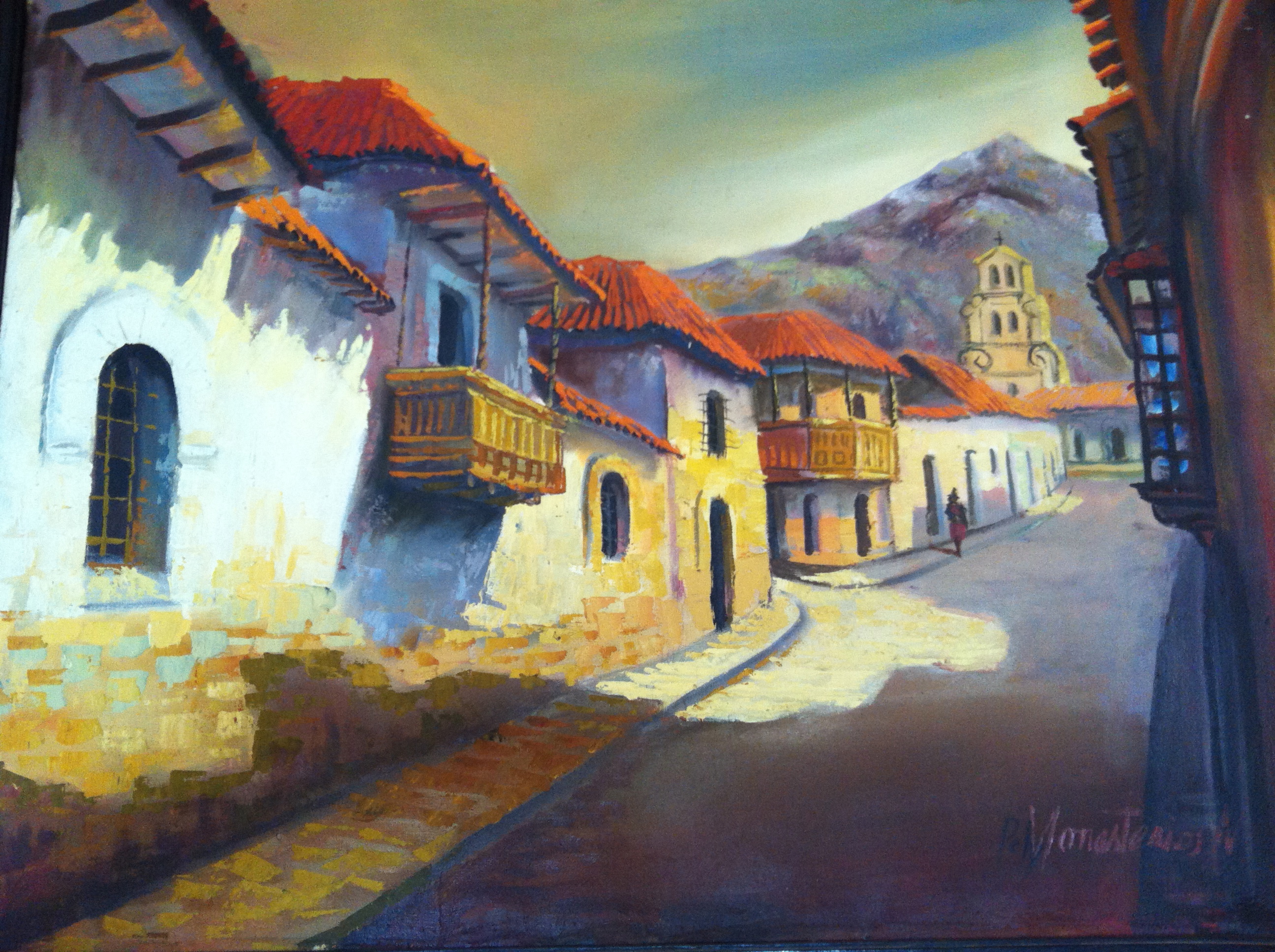
Jesuit Missions of Chiquitos (1990). Six complexes of indigenous reductions of bow-and-arrow peoples, built by the Society of Jesus between 1696 and 1760 in the Chiquitanía region of the Department of Santa Cruz. In addition to their historical, religious, and architectural value, the sites are attractive for the performance of music from colonial scores preserved to this day.

City of Sucre (1991). Founded in 1538 as an outpost toward the silver deposits of Potosí, this city is Bolivia’s true capital and thus a synthesis of its rich history. This is where the country was founded, in the Casa de la Libertad, and where a significant array of religious architecture can be found. Among its attractions are the dinosaur footprint cliff at Cal Orcko and the Yampara culture, which practices the Pujllay and the Ayarichi—both also inscribed on UNESCO’s Intangible Cultural Heritage (ICH) list.

Fuerte de Samaipata (1998). A pre-Hispanic archaeological site identified as an astronomical observatory of the Chané culture, later occupied by the Incas. It is located in Florida Province of the Department of Santa Cruz and consists of two parts: the hill, which bears numerous rock carvings and was probably the ceremonial center of the ancient city between the 14th and 16th centuries; and the area south of the hill, where administrative buildings and dwellings were located.

Fuerte de Samaipata, Santa Cruz Department
Noel Kempff Mercado National Park (2000). One of the largest parks in the Amazon, covering 1,523,000 hectares, and a natural heritage site considered important for the diversity of its ecosystems. It includes populations of large endangered vertebrates, a flora of 4,000 species, and more than 600 varieties of birds.
Spiritual and Political Center of the Tiwanaku Culture (2000). A pre-Inca archaeological city located in Ingavi Province of the Department of La Paz, 21 kilometers southeast of Lake Titicaca. It was the capital of a powerful pre-Hispanic empire that reached its peak between 500 and 900 CE. Its influence is believed to have covered much of the southern Andes and formed the basis of what later became the Inca Empire.

INTANGIBLE HERITAGE
Beginning in 2001, Bolivia proclaimed some of its heritage as its own; from 2008 onward these were inscribed on the Representative List of the ICH and have since been strengthened as tourist attractions that can be visited at different times of the year:
Andean Cosmovision of the Kallawayas (2003/2008). Ancestral wisdom preserved by traditional healers in the Andean area of Bolivia, with particular presence in Bautista Saavedra Province of the Department of La Paz. It can be visited at any time of year.
Carnival of Oruro (2001/2008). A festival held in honor of the Virgin of Candelaria, whose feast day is February 2, but in Bolivia coincides with Carnival. It is one of the country’s largest celebrations, both for its spectacle and its tradition.

Ichapekene Piesta (2012). The main festival of San Ignacio de Moxos, Department of Beni. It begins in May and extends into June. It features a main procession with the participation of 48 groups wearing masks of ancestors and animals.
The Pujllay and the Ayarichi (2014). Music and dances of the Yampara culture performed in communities of the municipality of Tarabuco, in the Department of Chuquisaca.
Ritual Routes in the City of La Paz during Alasita (2017). This festival is celebrated starting January 24 in La Paz, although miniature fairs like it are replicated in other cities on different dates.
Festival of the Lord Jesus of Great Power (2019). Centered on Trinity Sunday—a movable feast that in 2026 will be celebrated on May 24—it originated in the Ch’ijini neighborhood of the city of La Paz and has since spread to other areas.
The Great Festival of Tarija (2021). Although dedicated to Saint Roch, whose feast day is August 16, it extends into September with a series of religious processions, music festivals, dances, competitions, and fireworks.
Festival of Ch’utillos (2023). Celebrated in Potosí in August. Its origins go back to the Qaraqara culture, estimated to date to 1300 BCE, but it reached a turning point during the colonial period with the enthronement of the image of Saint Bartholomew on August 24, 1589.
Festival of the Virgin of Guadalupe (2025). Inscribed in December of last year, it is still a novelty. The festival is celebrated in Sucre and dates back to 1601, when the priest Diego de Ocaña established devotion to the Virgin who gives it its name.
DINOSAURS
The most recent news about Bolivian tourist attractions emerged after the Festival of Guadalupe was inscribed on the ICH list: paleontologists officially reported the identification of 16,600 dinosaur footprints at Carreras Pampa, in Toro Toro National Park, located in Charcas Province of Potosí.
A team of scientists led by Dr. Raúl Esperante of the Geoscience Research Institute of the United States worked at the site between 2015 and 2024 until gathering sufficient information to affirm that the Toro Toro site is the largest and most varied in the world. As a result, a wide variety of dinosaur footprints can be found there, along with natural wonders such as the nature reserve and the Umajalanta caverns.
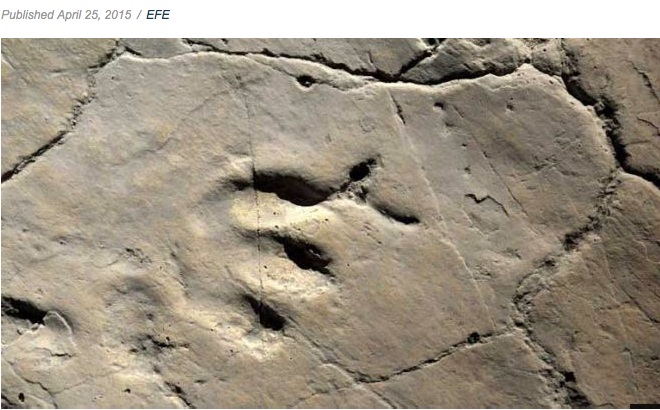
The dinosaur footprints add to Bolivia’s vast and varied offering—one of the best places to visit in 2026.
BD/
Por Juan Jose Toro, Brujula Digital:
Fotos: Unesco y El Potosí; archivos BT
Bolivia busca relanzar su turismo internacional tras ser destacada por medios especializados como uno de los mejores destinos para 2026. Con un nuevo Ministerio de Turismo, una marca país y una amplia oferta de patrimonio cultural, natural y arqueológico, el país apuesta al sector como motor económico.
Una vez que se solucionen los conflictos sociales que afectan al país durante estos días, Bolivia tiene altas expectativas para captar el turismo internacional que busca desde hace décadas; lo hace con dos puntas de lanza: por una parte, el país sido señalado como uno de los mejores lugares a visitar en este año y, por otra, su todavía nuevo gobierno ha creado un Ministerio que se ocupa mayoritariamente de la industria sin chimeneas.
El señalamiento viene de una revista que los operadores del área llaman “la Biblia del turismo”, Condé Nast Traveller (CN Traveller), que ya el 28 de octubre de 2024 publicó el artículo “43 lugares abandonados alrededor del mundo que son inquietantemente hermosos” en el que Caitlin Morton admitió que “Uyuni es conocida principalmente por sus salares y lagos rojos, pero la región boliviana cuenta con otra atracción turística inusual: un ‘cementerio’ de trenes antiguos abandonados”. Con la referencia a este museo al aire libre, ya se estaba mostrando que Bolivia era más que el salar, pero el gobierno de entonces, más preocupado en asuntos ideológicos como la defensa de la “wiphala” ni se dio por enterado.
La siguiente advertencia fue el 9 de agosto de 2025, cuando Laura Hampson publicó, en la misma revista, el siguiente consejo: “dirígete a las ciudades de plata de América. Encontrarás una imponente arquitectura colonial y las legendarias minas de plata del río Cerro en la ciudad de Potosí, Bolivia, declarada Patrimonio de la Humanidad por la UNESCO. No olvides combinar esto con una excursión al cercano Salar de Uyuni, donde las salinas lucen un distintivo brillo plateado al amanecer”.
Y es que la belleza del impresionante mar blanco potosino es insoslayable y la principal razón por la que Bolivia aparece entre “Los mejores lugares para visitar en 2026” descritos por Arati Menon y Megan Spurrell, también en CN Traveller, en sendos artículos publicados el 17 de diciembre de 2025. “En Bolivia, las grandes extensiones de relucientes salares han sido un atractivo desde hace mucho tiempo, pero si se acerca a la región de Potosí, encontrará una bonanza geológica de lagunas, aguas termales y volcanes nevados que finalmente albergan algunas de las inauguraciones de hoteles más populares de Sudamérica”, dice uno mientras que otro menciona a “la Reserva Nacional Eduardo Avaroa (que) deslumbra con su escultural Valle de las Rocas; las aguas rojo sangre de la Laguna Colorada, una pequeña piscina termal de 85° F llamada Termas de Polques; y la esmeralda Laguna Verde que brilla bajo el volcán Licancabur cubierto de nieve. Aquí, los desiertos están salpicados de géiseres y humeantes campos geotérmicos con burbujeantes piscinas plateadas”.
Para cuando esos artículos fueron publicados, Bolivia ya tenía un nuevo gobierno que habría creado el Ministerio de Turismo Sostenible, Culturas, Folklore y Gastronomía que, al tener un viceministerio para cada uno de esos elementos, pretende fortalecer la oferta turística nacional y aprovechar los consejos de CN Traveller de los que se han hecho eco otras publicaciones como, por ejemplo, el diario El País, de España, en el que Sara Andrade Abad recomienda los 12 mejores destinos para visitar en 2026 e incluye “lugares mágicos como el Salar de Uyuni, el lago Titicaca, Sucre, La Paz, Potosí”.
Sobre estas bases y el patrimonio que Bolivia ha registrado ante la Unesco, el propio presidente Rodrigo Paz lanzó, tan pronto como el 27 de noviembre de 2025, la “marca país” como una iniciativa destinada a convertir el turismo en una vía para “poner a Bolivia en el mundo” articulando los esfuerzos del gobierno con los del sector privado.
PATRIMONIO MATERIAL
Sin tomar en cuenta a los compartidos con otros países, Bolivia ha inscrito los siguientes sitios en la lista del Patrimonio Mundial de la Unesco:
Ciudad de Potosí (1987).- En el siglo XVI fue considerado el mayor complejo industrial del mundo con el yacimiento de plata más importante, tanto que permitió que el rey Felipe II convierta a España en un imperio. Las monedas de plata acuñadas en sus dos cecas se convirtieron en las primeras de circulación mundial así que esta ciudad ha sido nombrada como “el Vaticano de la numismática” en un congreso de especialistas internacionales realizado en 2016.
Misiones Jesuitas de Chiquitos (1990).- Son seis conjuntos de reducciones de indígenas de arcos y flecha, construidas por la Compañía de Jesús entre 1696 y 1760 en la región de la Chiquitanía del Departamento de Santa Cruz. Además de su valor histórico, religioso y arquitectónico, el lugar es atractivo por la práctica de la música de partituras coloniales que son conservadas hasta hoy.
Ciudad de Sucre (1991).- Fundada en 1538, como un puesto de avanzada hacia el yacimiento de plata de Potosí, esta ciudad es la verdadera capital de Bolivia y, por tanto, un síntesis de su rica historia. Aquí es donde se fundó el país, en la Casa de la Libertad, y el lugar en el que se puede encontrar un muestrario de arquitectura religiosa importante. Entre sus atractivos hay que agregar el farallón de huellas de dinosaurios de Cal Orcko y la cultura yampara que practica el Pujllay y el ayarichi que, a su vez, fueron inscritas en la lista del Patrimonio Cultural Inmaterial (PCI) de la Unesco.
Fuerte de Samaipata (1998).- Es un sitio arqueológico prehispánico que ha sido identificado como un observatorio astronómico de la cultura chané, con posterior ocupación de los incas. Está en la provincia Florida del Departamento de Santa Cruz y consta de dos partes: el cerro, que posee numerosos grabados rupestres y fue probablemente el centro ceremonial de la antigua ciudad durante los siglos XIV a XVI; y la zona situada al sur del cerro, donde se hallaban los edificios administrativos y las viviendas.
Fuerte de Samaipata, departamento de Santa Cruz
Parque Nacional Noel Kempff Mercado (2000).- Se trata de uno de los parques más grandes del Amazonas, pues tiene una extensión de 1.523.000 hectáreas y es un patrimonio natural considerado importante por la variedad de sus ecosistemas. Incluye poblaciones de vertebrados de gran tamaño en peligro de extinción, una flora de 4.000 especies y más de 600 variedades de pájaros.
Centro espiritual y político de la cultura Tiwanaku (2000).- Es una ciudad arqueológica preincaica que está ubicada en la provincia Ingavi del Departamento de La Paz, a 21 kilómetros al sureste del Lago Titicaca. Fue la capital de un poderoso imperio prehispánico que alcanzó su apogeo entre los años 500 y 900 de nuestra era. Se cree que su influencia abarcó gran parte de los Andes meridionales y constituyó la base de lo que después fue el imperio incaico.
PATRIMONIO INMATERIAL
A partir de 2001, Bolivia proclamó como suyos algunos de sus patrimonios que, a partir de 2008, fueron inscritos en la lista representativa del PCI y ahora se han fortalecido como atractivos turísticos que pueden ser visitados en diferentes épocas:
La cosmovisión andina de los callawayas (2003/2008).- Es la sabiduría ancestral conservada por médicos tradicionales del área andina de Bolivia con particular incidencia en la provincia Bautista Saavedra del Departamento de La Paz. Se puede visitar en cualquier época del año.
Carnaval de Oruro (2001/2008).- Festividad que se celebra en honor a la Virgen de la Candelaria y cuya fecha en el santoral es el 2 de febrero, pero en Bolivia se hace coincidir con los carnavales. Es una de las mayores del país, tanto por su espectacularidad como por su tradición.
Ichapekene Piesta (2012).- Es la fiesta mayor de San Ignacio de Moxos, Departamental de Beni. Es una festividad que comienza en mayo y se extiende hasta junio. Destaca la procesión principal en la que participan 48 grupos disfrazados con máscaras de antepasados y animales.
El Pujllay y el Ayarichi (2014).- Se trata de la música y danzas de la cultura yampara que son ejecutadas en comunidades del municipio de Tarabuco, en el Departamento de Chuquisaca.
Recorridos rituales en la ciudad de La Paz durante la Alasita (2017).- Esta festividad se celebra a partir del 24 de enero en la referida ciudad aunque ferias de miniaturas como esa se replican en contras ciudades, en diferentes fechas.
Festividad del Señor Jesús del Gran Poder (2019).- Está centrada en el día de la Santísima Trinidad, una fiesta movible que en 2026 se celebrará el 24 de mayo, y se originó en el barrio Ch’ijini, de la ciudad de La Paz, aunque ahora se ha extendido hasta otras zonas.
La Fiesta Grande de Tarija.- (2021) Aunque está dedicada a San Roque, cuyo día es el 16 de agosto, se prolonga hasta septiembre con toda una serie de procesiones religiosas, festivales de música, bailes, competiciones y fuegos artificiales.
Festividad de Ch’utillos (2023).- Se celebra en Potosí, en el mes de agosto. Su origen se remonta a la cultura qaraqara, cuya antigüedad se estima en 1.300 antes de Cristo, pero tuvo su punto de inflexión en la colonia, con la entronización de la imagen de San Bartolomé el 24 de agosto de 1589.
Fiesta de la Virgen de Guadalupe (2025).- Su inscripción es de diciembre recién pasado, así que todavía es una novedad. La festividad se celebra en Sucre y se remonta a 1601, cuando el sacerdote Diego de Ocaña instauró la devoción a la Virgen que le da su nombre.
DINOSAURIOS
La noticia más reciente sobre atractivos turísticos bolivianos se conoció después de que la fiesta de Guadalupe fuera inscrita en la lista del PCI: paleontólogos reportaron oficialmente que se identificó 16.600 huellas de dinosaurios en Carreras pampa, en el Parque Nacional Toro Toro ubicado en la provincia Charcas de Potosí.
Un equipo de científicos liderado por el doctor Raúl Esperante, del Geoscience Research Institute, de Estados Unidos, trabajó entre 2015 y 2024 en ese lugar hasta reunir la información suficiente que le permitirá afirmar que el yacimiento de Toro Toro es el más grande y variado del mundo, así que en este lugar se pueden encontrar variedad de huellas de dinosaurios, además que en el lugar existen maravillas naturales como la reserva natural y las cavernas de Umajalanta.
Las huellas de dinosaurios se suman a la vasta y variada oferta boliviana de Bolivia, uno de los mejores lugares para visitar en 2026.
BD/

 Bolivian Thoughts | Pensamientos Bolivianos (Bilingual/Bilingüe)