
By Agencia de Noticias Ambientales, Erbol:
Municipalities and Indigenous Peoples ask Paz and Lara for definitive rejection of mining requests in those territories
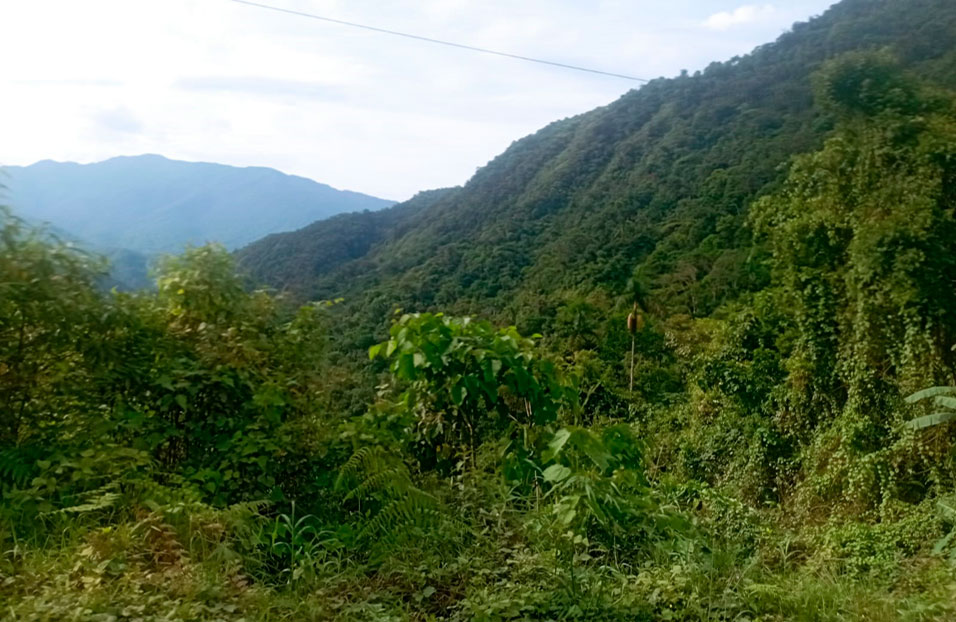
Through a letter addressed to the president- and vice president-elect, Rodrigo Paz and Edman Lara respectively, sent by Indigenous peoples, mayors’ offices and civil society organizations, they requested the definitive rejection of mining applications in their territories.
The manifesto was made during the Meeting of Municipalities and Territories Free of Mining held in Sapecho, municipality of Palos Blancos in the department of La Paz.
Under the reference of “strengthening of agroecological and ecotourism Indigenous territories and municipalities free of mining,” the aforementioned note highlights the benefits of agroecology and ecotourism such as preserving biodiversity, not deforesting, not contaminating water, protecting Indigenous peoples, producing healthy food, as well as generating economic income for Bolivian families; in this sense, it stresses the objective that the new government to be inaugurated in November strengthen these initiatives that coexist with nature.
Definitive rejection of mining in Palos Blancos and Alto Beni

The letter to the president and vice president elect of Bolivia bears more than 100 signatures, and also recounts the process that determined the regulations declaring Palos Blancos and Alto Beni as agroecological municipalities free of mining activity (municipal laws No. 233 and No. 97 of 2021). “In 2023 the ruling of Popular Action 004-2023/AP, filed by the Ombudsman’s Office, urged the municipalities of Palos Blancos and Alto Beni to submit their georeferenced maps to be restricted by the Administrative Mining Jurisdictional Authority (AJAM).”
In that sense, the letter also reports that in mid-2024 the aforementioned maps were delivered to AJAM, for which reason said entity provisionally suspended all mining proceedings in those municipalities until the review by the Plurinational Constitutional Court (TCP) of Popular Action 004-2023/AP and the resolution of the jurisdictional conflict filed by the Vice Presidency of the Plurinational State of Bolivia at the end of 2023.
“Backed by these two TCP rulings, we hope that your government and AJAM definitively reject all mining requests in our agroecological and ecotourism municipalities,” states key passages of the note.
At the same time, it was made known that the organization of Indigenous territories of the Regional Council T’simane Mosetén del Pilón Lajas (CRTN-PL), the Organization of the Mosetén Indigenous People (OPIM) and the Indigenous Council of the Tacana People (Cipta) approved resolutions of their supreme organic bodies declaring them agroecological and ecotourism territories free of mining, also recalling that georeferenced maps were delivered to AJAM so that it restrict mining in those places. (see “Alto Beni and Palos Blancos, declared free of mining, deliver to AJAM maps of their territories,” 09/07/24, ANA).
AJAM for its part made known that the entirety of the CRTM-PL is restricted from mining activity because it coincides with the protected area of Pilón Lajas, and that several provisions already restrict totally or partially the Indigenous territories of Cipta and OPIM respectively.”
While it was acknowledged that these advances have made it possible to halt the granting of mining rights in the aforementioned municipalities and Indigenous territories, it was also emphasized that this has not ended the invasions of mining in those sectors, further reiterating that this has been denounced before AJAM, the Public Prosecutor’s Office, the Police, the Armed Forces, the Attorney General’s Office, the Ombudsman’s Office and the municipal governments of Alto Beni and Palos Blancos.
Consequently, it is demanded that the new government guarantee the implementation of effective actions against illegal mining in the municipalities of Palos Blancos and Alto Beni: “Our request to the new government is that it guarantee the effective implementation of this inter-institutional protocol against illegal mining in the municipalities of Palos Blancos and Alto Beni.”
Following these guidelines, the letter requests that these measures that protect the land, the peoples, biodiversity and life in general not be limited to a brief time and also be extended to all territories affected by mining: “In this regard we wish to request that these restrictions also be permanent and cover the entirety of our Indigenous territories.”
Hearing and priority in the Legislative Assembly

The letter makes two more requests: the first is that the new Plurinational Legislative Assembly (ALP) give priority consideration to the national draft law declaring the municipalities of Palos Blancos and Alto Beni as agroecological and ecotourism territories free of mining.
The second request asks for a hearing with Rodrigo Paz and Edman Lara for the adoption of provisions aimed at preventing contamination in northern La Paz: “it is essential to adopt urgent measures to prevent the contamination and destruction of rivers from continuing to affect the peoples who live in northern La Paz, and to request a hearing to discuss in greater depth.”
The event held in that municipality of the northern La Paz region and which extended over three sessions (October 23, 24 and 25) with participation of more than one hundred people, had coordinated organization between the Autonomous Municipal Government of Alto Beni, the Autonomous Municipal Government of Palos Blancos, the Central Cooperative El Ceibo, the Organization of the Mosetén Indigenous People and the Solón Foundation.

Por Agencia de Noticias Ambientales, Erbol:
Municipios y pueblos indígenas piden a Paz y Lara rechazo definitivo de solicitudes mineras en esos territorios
Mediante carta dirigida al presidente y vicepresidente electos, Rodrigo Paz y Edman Lara respectivamente, enviada por pueblos indígenas, alcaldías, organizaciones de la sociedad civil, se pidió el rechazo definitivo de solicitudes mineras en sus territorios.
El manifiesto se hizo durante el Encuentro de Municipios y Territorios Libres de Minería realizado en Sapecho, municipio de Palos Blancos del departamento de La Paz.
Bajo la referencia de «fortalecimiento de municipios y territorios indígenas agroecológicos y ecoturísticos libres de minería», la referida nota destaca los beneficios de la agroecología y el ecoturismo tales como preservar la biodiversidad, no deforestar, no contaminar las aguas, proteger a los pueblos indígenas, producir alimentos saludables, así como generar ingresos económicos para las familias bolivianas; es en ese sentido que se destaca el objetivo de que el nuevo gobierno a ser posesionado en noviembre fortalezca estas iniciativas que conviven con la naturaleza.
Rechazo definitivo a la minería en Palos Blancos y Alto Beni
La misiva al presidente y vicepresidente electos de Bolivia cuenta con más de 100 firmas, también reseña el proceso que determinó las normativas que declaran a Palos Blancos y Alto Beni como municipios agroecológicos libres de actividad minera (leyes municipales N°233 y N°97 de 2021, “En 2023 la sentencia de la Acción Popular 004-2023/AP, presentada por la Defensoría del Pueblo, exhortó a los municipios de Palos Blancos y Alto Beni a presentar sus planos georreferenciados para que sean restringidos por la Autoridad Jurisdiccional Administrativa Minera (AJAM)”.
En tal sentido, también se informa en la carta que, a mediados de 2024, se hizo llegar a la AJAM los referidos planos, por lo que dicha entidad suspendió provisionalmente todos los trámites mineros esos municipios hasta la revisión por parte del Tribunal Constitucional Plurinacional (TCP) de la Acción Popular 004-2023/AP y la resolución del conflicto de competencias planteado por la Vicepresidencia del Estado Plurinacional de Bolivia a fines de 2023.
“Amparados en estas dos sentencias del TCP, esperamos que su gobierno y la AJAM rechacen de manera definitiva todas las solicitudes mineras en nuestros municipios agroecológicos y ecoturísticos”, señala partes salientes de la nota.
Paralelamente se hizo conocer que la organización de los territorios indígenas del Consejo Regional T’simane Mosetén del Pilón Lajas (CRTN-PL), la Organización del Pueblo Indígena Mosetén (OPIM) y el Consejo Indígena del Pueblo Tacana (Cipta aprobaron resoluciones de sus instancias orgánicas supremas que los declaran como territorios agroecológicos y ecoturísticos libres de minería, recordando además que se procedió a la entrega de los planos georreferenciados a la AJAM a objeto de que restrinja la minería en esos lugares. (v. “Alto Beni y Palos Blancos, declarados libres de minería, entregan a la AJAM mapas de sus territorios”, 09/07/24, ANA).
La AJAM por su parte dio a conocer que la totalidad del CRTM-PL se encuentra restringido de actividad minera por coincidir con el área protegida del Pilón Lajas, y que varias disposiciones ya restringen total o parcialmente a los territorios indígenas del Cipta y la OPIM respectivamente.”
Si bien se reconoció que esos avances han permitido frenar la otorgación de derechos mineros en los referidos municipios y territorios indígenas, también se enfatizó que ello no ha puesto fin a los avasallamientos de la minería en tales sectores, reiterando además que se denunció ello ante la AJAM, el Ministerio Público, la Policía, las Fuerzas Armadas, la Procuraduría, la Defensoría del Pueblo y los gobiernos municipales de Alto Beni y Palos Blancos.
En consecuencia, se demanda que el nuevo gobierno garantice la implementación de acciones efectivas contra la minería ilegal en los municipios de Palos Blancos y Alto Beni, “Nuestro pedido al nuevo gobierno es que garantice la implementación efectiva de este protocolo interinstitucional contra la minería ilegal en los municipios de Palos Blancos y Alto Beni”.
Siguiendo esos lineamientos, la carta solicita que esas medidas que protegen a la tierra, a los pueblos, a la biodiversidad y a la vida en general no se limiten a un tiempo breve y se extiendan además a todos los territorios que son afectados por la minería, “Al respecto deseamos solicitar que estas restricciones sean también permanentes y abarquen la totalidad de nuestros territorios indígenas”.
Audiencia y prioridad en la Asamblea Legislativa
La carta efectúa dos pedidos más: el primero es que la nueva Asamblea Legislativa Plurinacional (ALP) considere prioritariamente el proyecto de ley nacional que declara a los municipios de Palos Blancos y Ato Beni como agroecológicos y ecoturísticos libres de minería.
El segundo pedido solicita audiencia a Rodrigo Paz y Edman Lara para la adopción de disposiciones destinadas a evitar la contaminación en el norte paceño, “es fundamental adoptar medidas urgentes para evitar que la contaminación y destrucción de los ríos siga afectando a los pueblos que vivimos en el norte de La Paz, y solicitarles una audiencia para dialogar a mayor profundidad”.
El evento realizado en ese municipio del norte paceño y que se extendió por tres jornadas (23, 24 y 25 de octubre) con una participación que superó el centenar de personas, contó con la organización coordinada entre el Gobierno Autónomo Municipal de Alto Beni, el Gobierno Autónomo Municipal de Palos Blancos, la Central de Cooperativas El Ceibo, la Organización del Pueblo Indígena Mosetén y la Fundación Solón.

 Bolivian Thoughts | Pensamientos Bolivianos (Bilingual/Bilingüe)