
By El Diario:
Analyst Fernando Romero warns
- Despite official INE reports indicating a slowdown, Romero’s economic analysis reveals that September 2025 price increases are the highest in nearly four decades, due to
- currency instability,
- fuel shortages, and
- lack of structural measures.
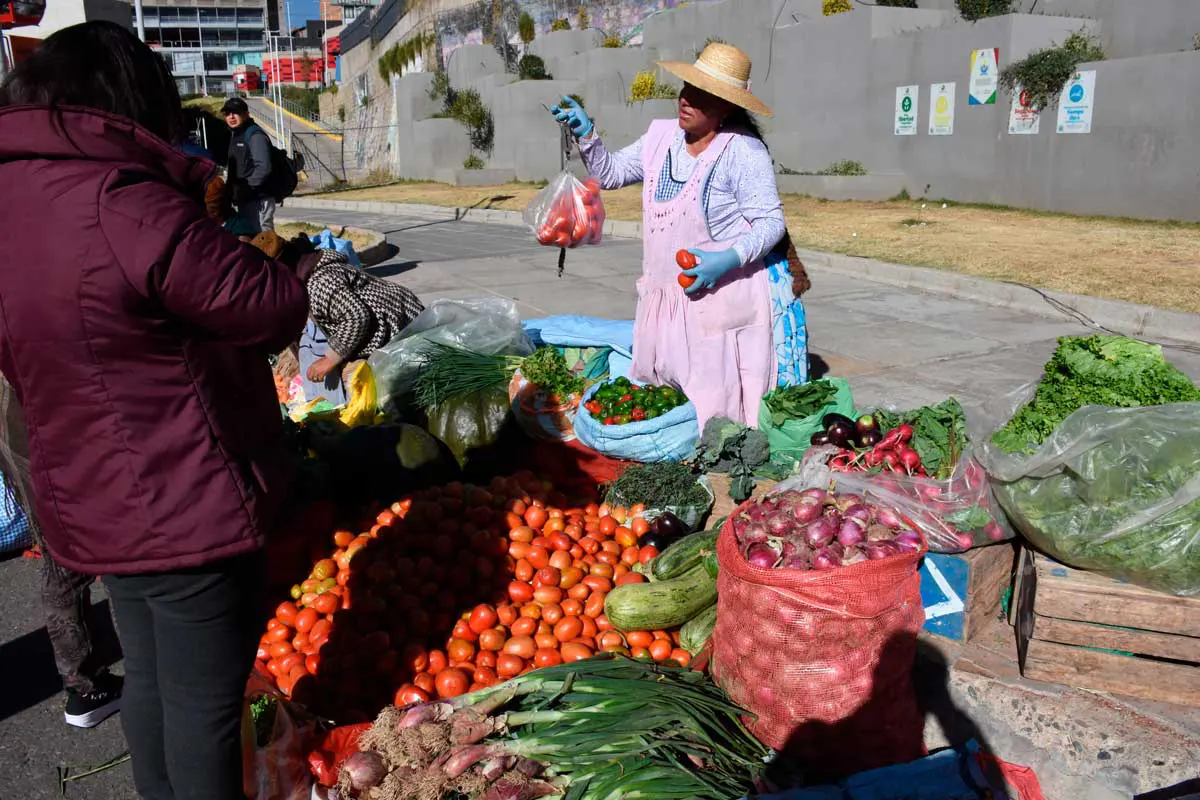
Cumulative inflation in Bolivia reached 18.33% by September 2025, the highest in 39 years, surpassing figures recorded between 1987 and 2024. It also represents the highest level of accumulated inflation during the socialist period in the country, from 2006 to date, said economic analyst Fernando Romero.
Romero’s analysis contradicts the National Institute of Statistics (INE), which reported that as of September 2025, monthly inflation was only 0.20%, less than a quarter of that recorded in August, with cumulative inflation of 18.33%, just 0.24 percentage points higher than the previous month.
The economist stressed that although INE’s methodology for measuring the Consumer Price Index (CPI) is not in question, official statistics do not fully reflect the reality faced by many families and businesses, where the impact of inflation is felt much more strongly.
Among the factors keeping inflation high and sustained are the shortage of U.S. dollars, lack of fuels, excess bolivianos in circulation, speculation, low national production, reverse smuggling, and inflationary expectations. No recent structural measures have been applied to moderate this trend.
Romero emphasized that one of the central challenges of the new government will be to control inflation to avoid further devaluation of the boliviano and the consequent loss of purchasing power.
To this end, he recommended implementing sustainable monetary and exchange measures, such as reducing the money supply, balancing exchange rates with the dollar, and ensuring timely supplies of diesel and gasoline to the Bolivian economy, in order to stabilize prices and restore economic confidence.
These official data and analysis coincide with the International Monetary Fund’s (IMF) forecast, which projects inflation of around 15.8% for the full year 2025 in Bolivia, a figure that reflects the fastest inflationary acceleration in decades, driven by deep structural factors and recent social and economic crises that have affected supply and costs in the country.
Por El Diario:
Analista Fernando Romero alerta
- A pesar de reportes oficiales del INE que indican desaceleración, el análisis económico de Romero revela que el aumento de precios de septiembre 2025 es la más elevada en casi cuatro décadas, debido a la
- inestabilidad cambiaria,
- escasez de combustibles y
- falta de medidas estructurales.
La inflación acumulada en Bolivia alcanzó 18,33% a septiembre de 2025 es la más alta en 39 años, superando las cifras registradas desde 1987 hasta 2024 y además representa el nivel más alto de inflación acumulada durante el período socialista en el país, desde 2026 hasta la fecha, dijo el analista económico, Fernando Romero.
El análisis de Romero se contrapone a lo afirmado ayer por el Instituto Nacional de Estadística (INE), cuyo análisis sostiene que, a septiembre de 2025 la inflación mensual fue de solamente 0,20%, menos de la cuarta parte de la registrada en agosto, con una inflación acumulada de 18,33%, apenas 0,24 puntos porcentuales superior al mes anterior.
El economista resaltó que, aunque no se pone en duda la metodología del INE para medir el Índice de Precios al Consumidor (IPC), las estadísticas oficiales no reflejan plenamente la realidad que enfrentan muchas familias y empresas, donde la sensación del impacto inflacionario es mucho más fuerte.
Entre los factores que mantienen la inflación elevada y sostenida está la escasez de dólares, la falta de carburantes, el exceso de bolivianos en circulación, la especulación, la baja producción nacional, el contrabando inverso y las expectativas inflacionarias. No se han aplicado medidas estructurales recientes que moderen esta dinámica.
Romero enfatizó que uno de los retos centrales del nuevo Gobierno será dominar esta inflación para evitar una mayor devaluación del boliviano y la consecuente pérdida del poder adquisitivo.
Para ello, recomendó implementar medidas monetarias y cambiarias sostenibles, tales como reducir la oferta monetaria, equilibrar los tipos de cambio del dólar y garantizar un suministro oportuno de diésel y gasolina a la economía boliviana, con el fin de estabilizar los precios y restaurar la confianza económica.
Estos datos oficiales y análisis coinciden con el pronóstico del Fondo Monetario Internacional (FMI), que proyecta una inflación de alrededor del 15,8% para todo el año (2025) en Bolivia, cifra que refleja la mayor aceleración inflacionaria en décadas, motivada por factores estructurales profundos y recientes crisis sociales y económicas que han afectado el abastecimiento y los costos en el país.

 Bolivian Thoughts | Pensamientos Bolivianos (Bilingual/Bilingüe)